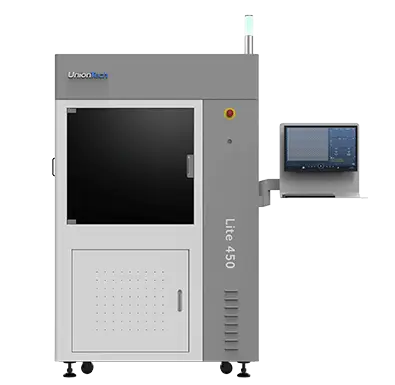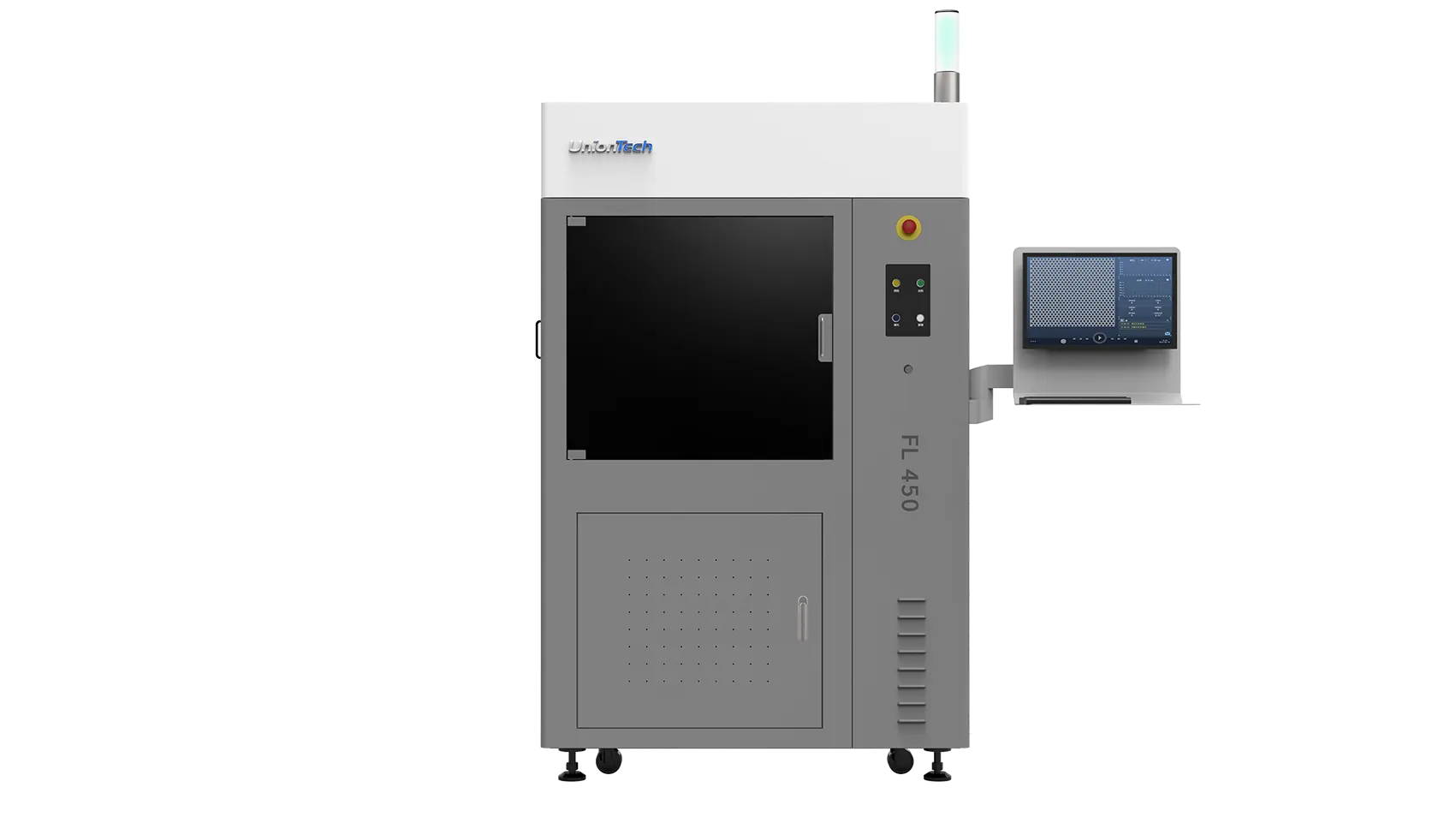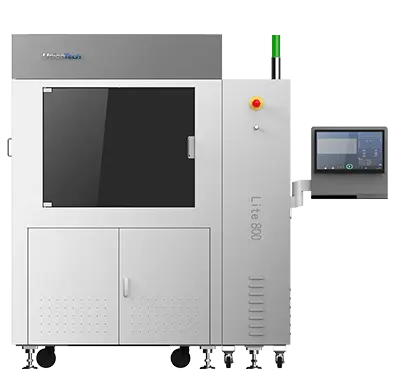
In industrial manufacturing, additive technologies are increasingly evaluated by their ability to deliver usable components rather than visual models. This shift has placed new attention on stereolithography, especially where accuracy and surface integrity are critical. As an industrial 3D printer manufacturer, we have observed that many manufacturers now assess SLA systems based on whether they can support finished parts alongside prototypes and molds. Improvements in optical stability, process control, and material consistency allow a SLA 3D printer to meet functional expectations in low-volume production, tooling alternatives, and customized industrial applications without compromising dimensional reliability.
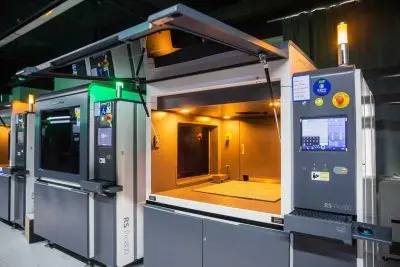
Finished parts must satisfy tighter dimensional requirements than conceptual models. They often need to fit assemblies, maintain structural consistency, and perform predictably after post-processing. A SLA 3D printer enables this level of control through stable laser paths, uniform energy distribution, and controlled layer formation. These technical factors reduce deformation and dimensional drift across the build area. As an industrial 3D printer manufacturer, we design SLA systems with build sizes ranging from small to large formats, allowing users to match part dimensions and accuracy requirements without unnecessary complexity. This makes SLA suitable for jigs, fixtures, housings, and functional validation components used directly in industrial workflows.
Precision hardware alone cannot support finished parts without compatible materials and stable workflows. At UnionTech, our SLA platforms support a broad range of photopolymer resins developed for functional testing, assembly verification, and limited end-use production. These materials are selected for predictable curing behavior and post-processing stability. As an industrial 3D printer manufacturer, we also focus on software integration that supports data preparation, process parameter control, and print management in a unified environment. When materials, software, and hardware operate together, a SLA 3D printer becomes part of a controlled manufacturing process rather than a standalone prototyping tool.
The growing adoption of SLA for finished parts reflects a broader evolution in industrial production strategies. High-precision SLA systems now support functional components where accuracy, repeatability, and surface quality are essential. At UnionTech, we approach SLA development with this practical application in mind, ensuring our systems align with real manufacturing requirements rather than experimental use cases. By applying SLA 3D printer technology within controlled workflows, manufacturers can extend additive manufacturing beyond prototypes and molds, using it as a reliable method for producing finished parts that integrate smoothly into industrial production environments.