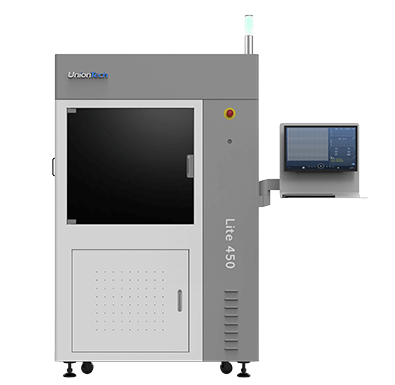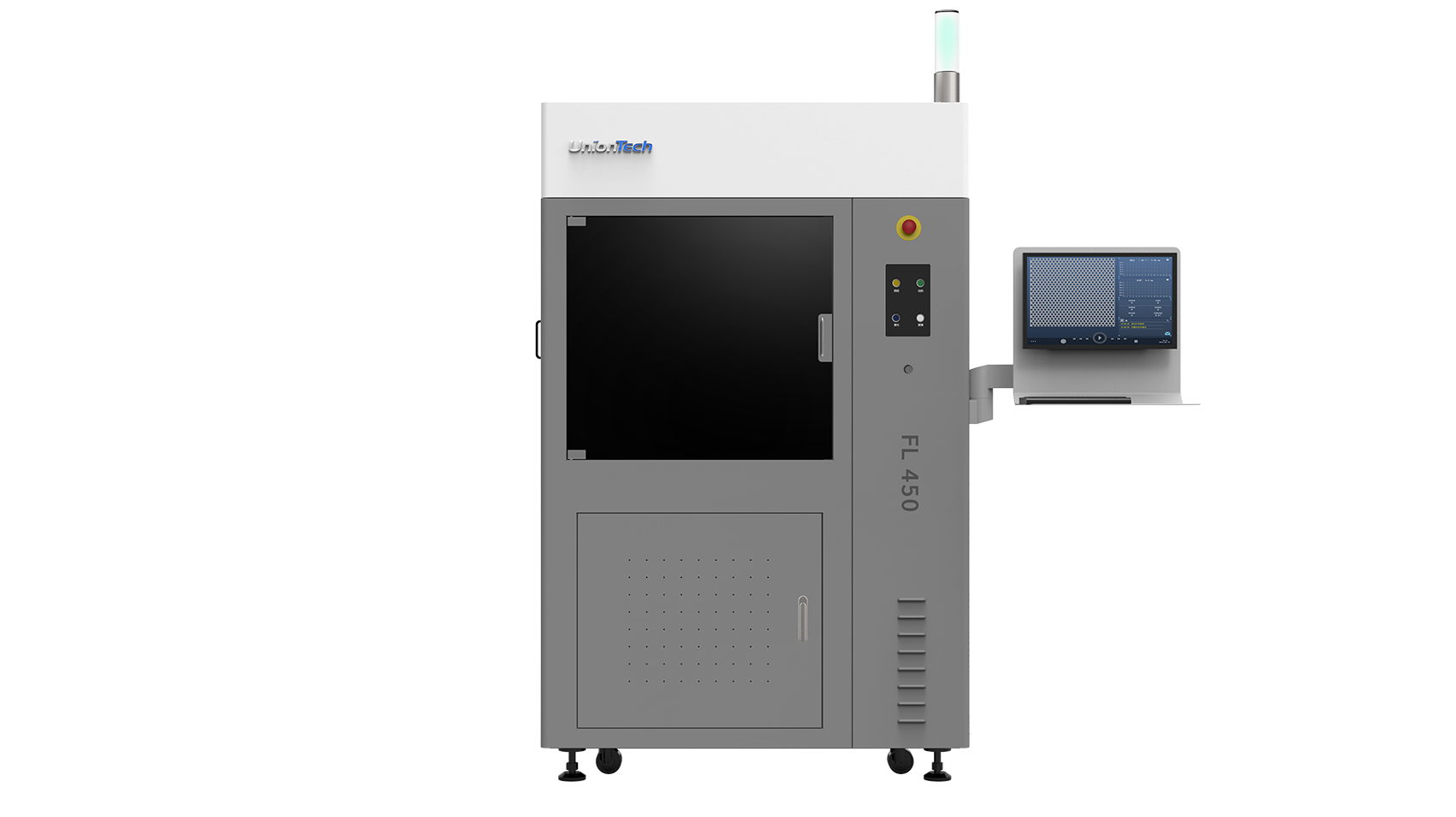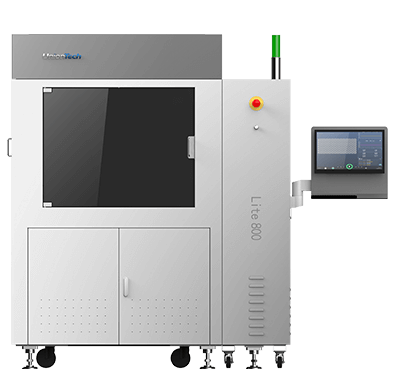
Additive manufacturing is steadily moving from experimental use into stable industrial deployment. When discussing what is the outlook for the additive manufacturing sector, the focus is increasingly on reliability, scalability, and predictable performance rather than novelty. As an industrial 3D printer manufacturer, we observe that industrial users now evaluate systems based on accuracy control, material adaptability, and workflow integration. This shift reflects broader progress in additive manufacturing, where production readiness matters as much as design freedom. At UnionTech, we work closely with B2B customers to understand how additive manufacturing supports real manufacturing tasks, from prototyping to functional part validation, across industries such as automotive, electronics, and healthcare.
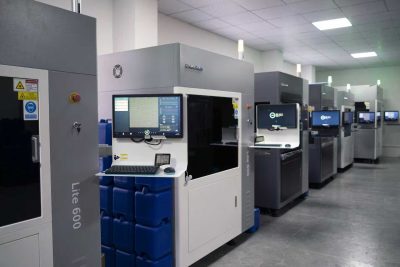
The outlook for additive manufacturing is closely tied to how effectively the technology fits into established production processes. One clear sign of progress in additive manufacturing is the refinement of stereolithography systems for industrial-scale use. SLA technology enables controlled layer accuracy, smooth surface quality, and consistent dimensional output, which are critical in industrial environments. As an industrial 3D printer manufacturer, we focus on helping engineers select equipment based on part size, tolerance requirements, and material behavior, rather than generic performance claims. Our stereolithography systems are designed to support build volumes from small precision components to large-format industrial parts, offering flexibility for manufacturers who need dependable results over repeated production cycles.
Beyond hardware, the outlook for additive manufacturing also depends on material availability and software coordination. Continued progress in additive manufacturing is driven by resin formulations tailored for prototyping, assembly testing, and functional verification. Our company develops and collaborates on a wide range of resin materials to support different mechanical and surface requirements without disrupting existing workflows. As an industrial 3D printer manufacturer, we also invest in software systems that manage data preparation, process parameters, and printer control. These tools help ensure stable production planning and reduce manual intervention, which is essential for industrial users integrating additive manufacturing into their operations. At UnionTech, we view workflow stability as a key factor influencing long-term adoption.
In conclusion, what is the outlook for the additive manufacturing industry can be summarized by its growing alignment with industrial production standards. The steady progress in additive manufacturing shows that success now depends on precision, material reliability, and system integration rather than experimental capability. As an industrial 3D printer manufacturer, we see industrial users seeking practical solutions that support repeatable manufacturing goals. Through continued development of SLA systems, materials, and software, UnionTech remains focused on supporting industrial customers as additive manufacturing evolves into a stable and reliable manufacturing technology.