In the ever-evolving landscape of fashion and footwear, industrial SLA (Stereolithography) printers have emerged as transformative tools, redefining the way we approach design, manufacturing, and customization within the apparel industry. This cutting-edge technology not only facilitates the creation of unique and personalized fashion pieces but also brings a new level of efficiency and sustainability to the world of customized footwear and fashion.
Industrial SLA printers offer fashion designers unparalleled creative freedom by allowing the realization of intricate detailing and complex designs that were once challenging to achieve through traditional manufacturing methods. From intricate patterns to three-dimensional textures, SLA printing opens up a realm of possibilities for designers seeking to push the boundaries of conventional fashion aesthetics.
The ability to produce customized and personalized fashion items is a hallmark of industrial SLA printers. Whether it’s crafting bespoke accessories, jewelry, or even entire garments, designers can cater to individual preferences and styles. This level of personalization not only meets the growing demand for unique fashion statements but also reduces the environmental impact associated with mass-produced and often discarded clothing.
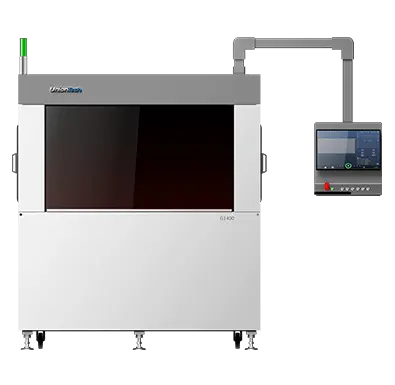
RSPro1400
In the realm of footwear, industrial SLA printers are revolutionizing the way shoes are designed and produced. The technology enables shoemakers to create individualized designs that cater to the unique contours of a customer’s feet. From custom insoles to personalized shoe soles, SLA printing allows for the production of footwear that is not only stylish but also tailored for optimal comfort and support.
Fashion trends often change rapidly, and industrial SLA printers provide a solution that aligns with the industry’s need for agility. Designers can quickly iterate and produce footwear that responds to emerging trends, ensuring that consumers have access to the latest styles without the delays associated with traditional manufacturing processes.
One of the key contributions of industrial SLA printers to the apparel industry is the shift towards on-demand production. By producing items as they are needed, this technology minimizes the creation of excess inventory, reducing waste and lowering the environmental impact associated with overstocked items that may end up unsold or discarded.
The choice of materials is crucial in the pursuit of sustainable fashion. Industrial SLA printers allow designers to explore environmentally friendly materials, including bio-based resins and recyclable options. This move toward sustainable materials contributes to the overall eco-friendliness of the fashion industry, addressing concerns related to the environmental impact of traditional fabric production.
While industrial SLA printers offer a myriad of possibilities, challenges related to the durability and comfort of printed materials exist. Ongoing research focuses on developing materials that not only meet high aesthetic standards but also deliver the comfort and durability expected in fashion and footwear.
The integration of multi-material printing capabilities is an area where industrial SLA technology is evolving. Future innovations may allow for the simultaneous printing of various materials within a single garment or accessory, opening up new dimensions in terms of functionality and design possibilities.
In conclusion, industrial SLA printers are leaving an indelible mark on the apparel industry, particularly in the realms of customized footwear and fashion. From enabling intricate designs to providing sustainable solutions for on-demand production, this technology is fostering a paradigm shift in how we approach style and personal expression. As the industry continues to embrace and refine the capabilities of industrial SLA printing, we can anticipate a future where fashion is not only a form of self-expression but also a testament to innovation, sustainability, and the limitless possibilities of personalized design.