Watersheds, the lifeblood of ecosystems, are under constant threat from human activities and environmental changes. In the pursuit of safeguarding these vital water systems, Watershed 3D Printing emerges as a groundbreaking tool in watershed conservation. This innovative approach not only allows us to map and model watersheds with unprecedented accuracy but also empowers conservationists to implement targeted strategies for preserving the delicate balance of aquatic ecosystems.
Watershed 3D Printing redefines the way we map and model complex terrains. Traditional methods of watershed modeling often involve two-dimensional representations that may not capture the intricacies of the landscape accurately. With 3D printing technology, environmental scientists can create three-dimensional models that faithfully reproduce the natural topography, hydrological features, and vegetation of watersheds. This precision in modeling is crucial for understanding the dynamics of water flow, erosion patterns, and the interconnectedness of ecosystems within the watershed.
Conservation challenges within watersheds are diverse and require customized solutions. Watershed 3D Printing steps into this arena, enabling the creation of eco-resilient structures tailored to specific conservation needs. Conservationists can use 3D printing to produce artificial habitats, fish shelters, and erosion control barriers that mimic the natural features of the watershed. These structures enhance the resilience of aquatic ecosystems, providing refuge for species, stabilizing riverbanks, and mitigating the impacts of anthropogenic activities.
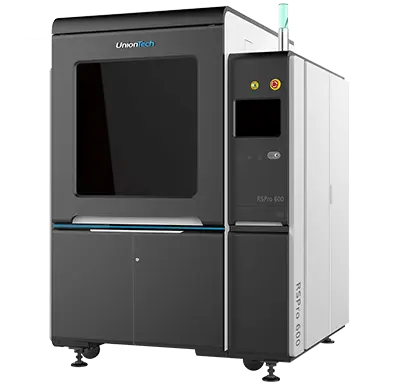
RSPro600
Watershed 3D Printing facilitates a proactive approach to preservation by allowing conservationists to implement targeted strategies based on detailed 3D models. Conservation efforts can be precisely directed toward vulnerable areas identified through accurate modeling. Whether it’s addressing soil erosion, protecting critical habitats, or implementing riparian buffer zones, 3D-printed models serve as blueprints for informed decision-making. This proactive conservation approach contributes to the overall health and longevity of watersheds.
Beyond its practical applications, Watershed 3D Printing serves as a powerful educational tool for raising environmental awareness. 3D-printed watershed models can be used in educational programs to visually convey the impact of human activities on watersheds. By showcasing the intricate details of watershed ecosystems, these models help communicate the importance of conservation and foster a deeper understanding of the interconnectedness of environmental processes.
In conclusion, Watershed 3D Printing is shaping a sustainable future for watersheds by combining precision modeling with targeted conservation efforts. From mapping the complex terrain and creating eco-resilient structures to implementing proactive conservation strategies and serving as educational tools, this technology plays a pivotal role in watershed conservation. As Watershed 3D Printing continues to evolve, it stands as a blueprint for environmental resilience, offering hope for the preservation of these critical ecosystems and the myriad species that depend on them.