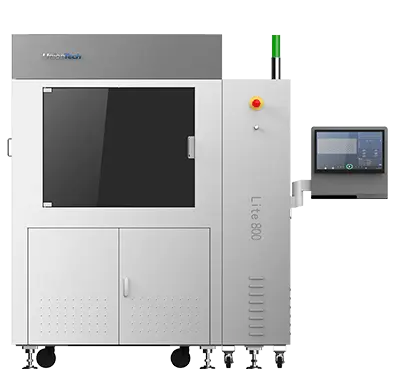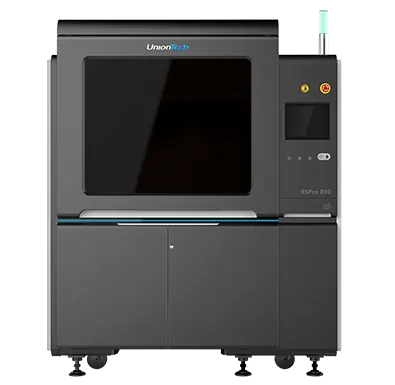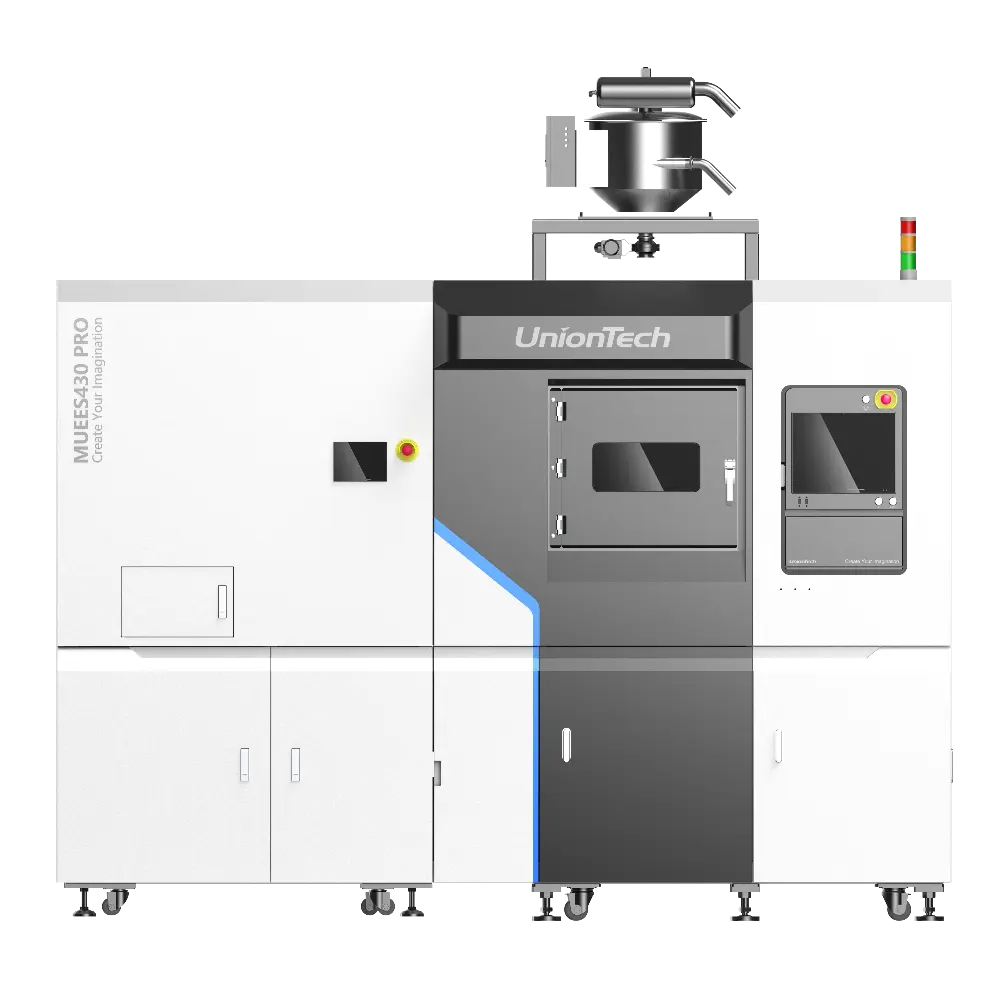
The quest for sustainable mobility has driven innovations across the automotive industry, and 3D tire printer is emerging as a pivotal technology in this transformative journey. This passage explores the green solutions offered by 3D tire printers, shedding light on how this advanced manufacturing process is revolutionizing the way tires are designed, produced, and contributing to the broader goals of environmental sustainability in the realm of mobility.
One of the key sustainable solutions offered by 3D tire printers is the ability to use recycled rubber as a primary material. Traditional tire manufacturing often relies on virgin rubber, contributing to deforestation and increased demand for natural resources. In contrast, 3D tire printing allows manufacturers to repurpose discarded tires and other rubber products, reducing the environmental impact associated with rubber production.
Innovative formulations used in 3D tire printer include biodegradable additives, especially in the tread compounds. As tires wear over time, particles from the tread are released into the environment. By incorporating biodegradable materials, manufacturers can mitigate the long-term environmental impact of tire wear, ensuring that these components break down more rapidly and pose fewer ecological challenges.
Traditional tire manufacturing processes often result in significant material waste due to the need for molds and the nature of the shaping process. 3D tire printer, with its layer-by-layer construction, minimizes excess material usage. This precision printing approach ensures that each layer contributes to the final structure, reducing waste and promoting resource efficiency.
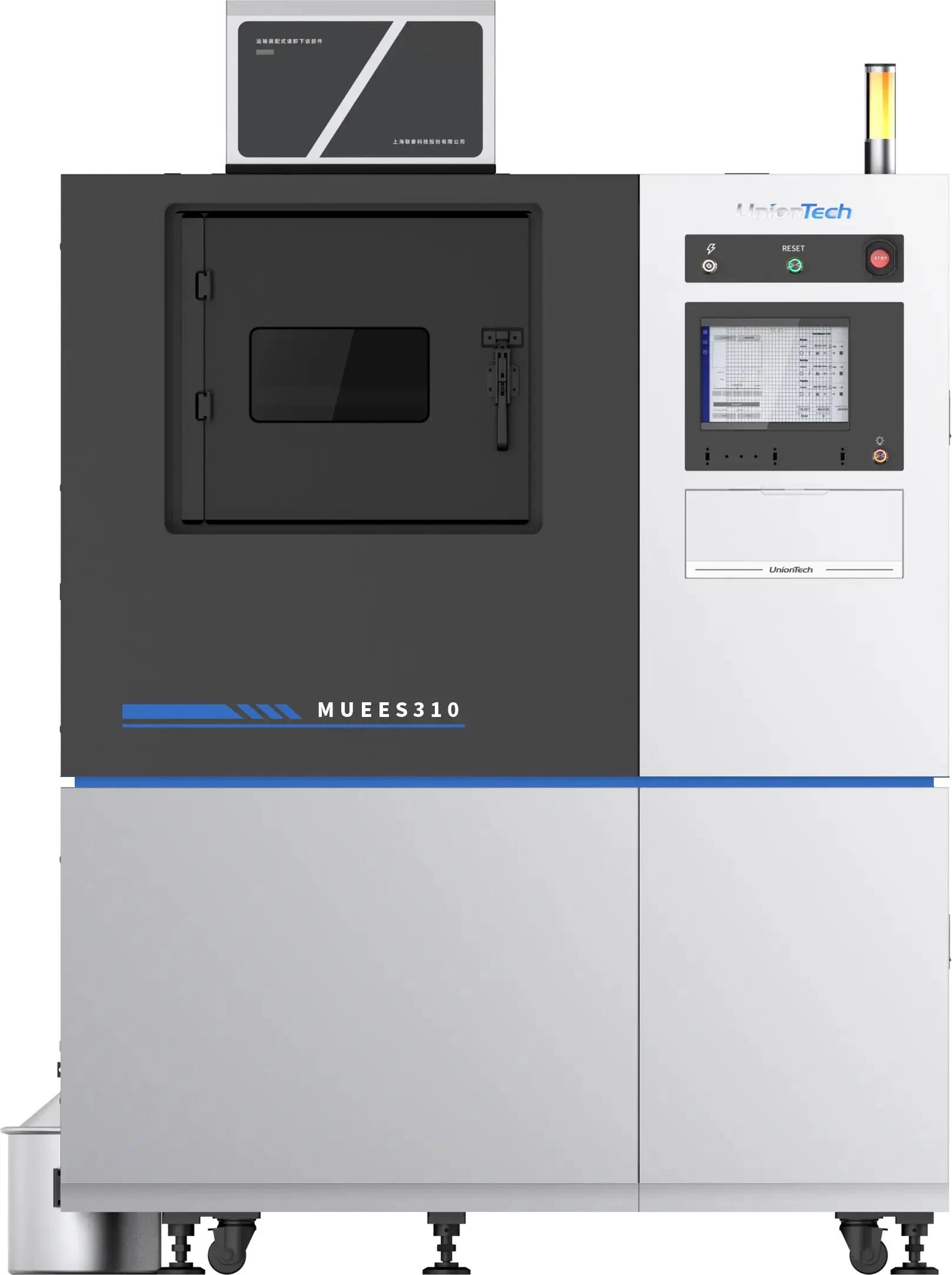
Muees310
The ability to customize 3D-printed tires also contributes to waste reduction. By tailoring the tire’s design to specific driving conditions, vehicle types, and individual preferences, manufacturers can create tires with longer lifespans. This customization minimizes the frequency of tire replacements, further reducing the overall waste generated in the tire manufacturing and disposal process.
Compared to traditional tire manufacturing processes, 3D tire printer is often more energy-efficient. The additive manufacturing approach of 3D printing involves layering materials precisely, reducing the need for extensive heating and curing processes. This efficiency translates to lower energy consumption during production, aligning with the broader goals of sustainable manufacturing practices.
The on-demand production capability of 3D tire printers also contributes to sustainable mobility by reducing transportation-related emissions. Instead of manufacturing tires in centralized locations and transporting them globally, localized 3D tire printer centers can respond to regional demand. This decentralized approach minimizes the carbon footprint associated with long-distance transportation, promoting a more sustainable and eco-friendly distribution model.
3D tire printing supports circular economy principles by offering a solution for repurposing end-of-life tires. Instead of contributing to the growing issue of tire waste in landfills, 3D tire printer allows for the recycling and upcycling of used tires. The recycled rubber can be reintegrated into the 3D printing process, creating a closed-loop system that aligns with the principles of a circular economy.
Sustainability in 3D-printed tires is not only about the manufacturing process but also about the product’s entire lifecycle. Smart design practices, enabled by 3D tire printer technology, allow for components that are easily replaceable or upgradable. This extends the overall lifecycle of the tire, reducing the frequency of replacements and contributing to the circular economy model.
In conclusion, the sustainable solutions offered by 3D tire printers are paving the way for a greener and more environmentally conscious future in mobility. From utilizing recycled materials to reducing waste and embracing circular economy principles, 3D tire printing represents a paradigm shift in the tire manufacturing industry. As this technology continues to advance, the path ahead promises not only sustainable mobility but also a redefined relationship between vehicles and the environment, where the wheels driving us forward are designed with a profound commitment to the planet.