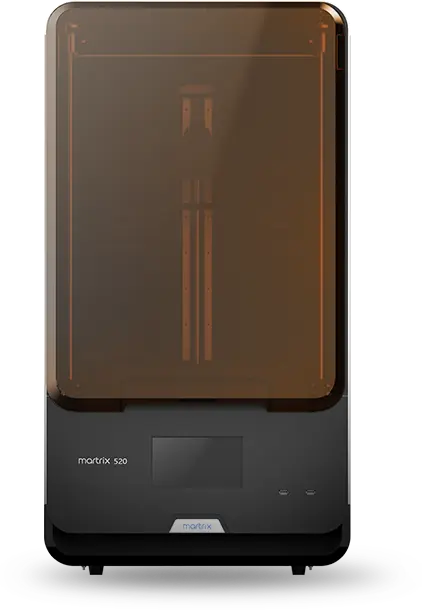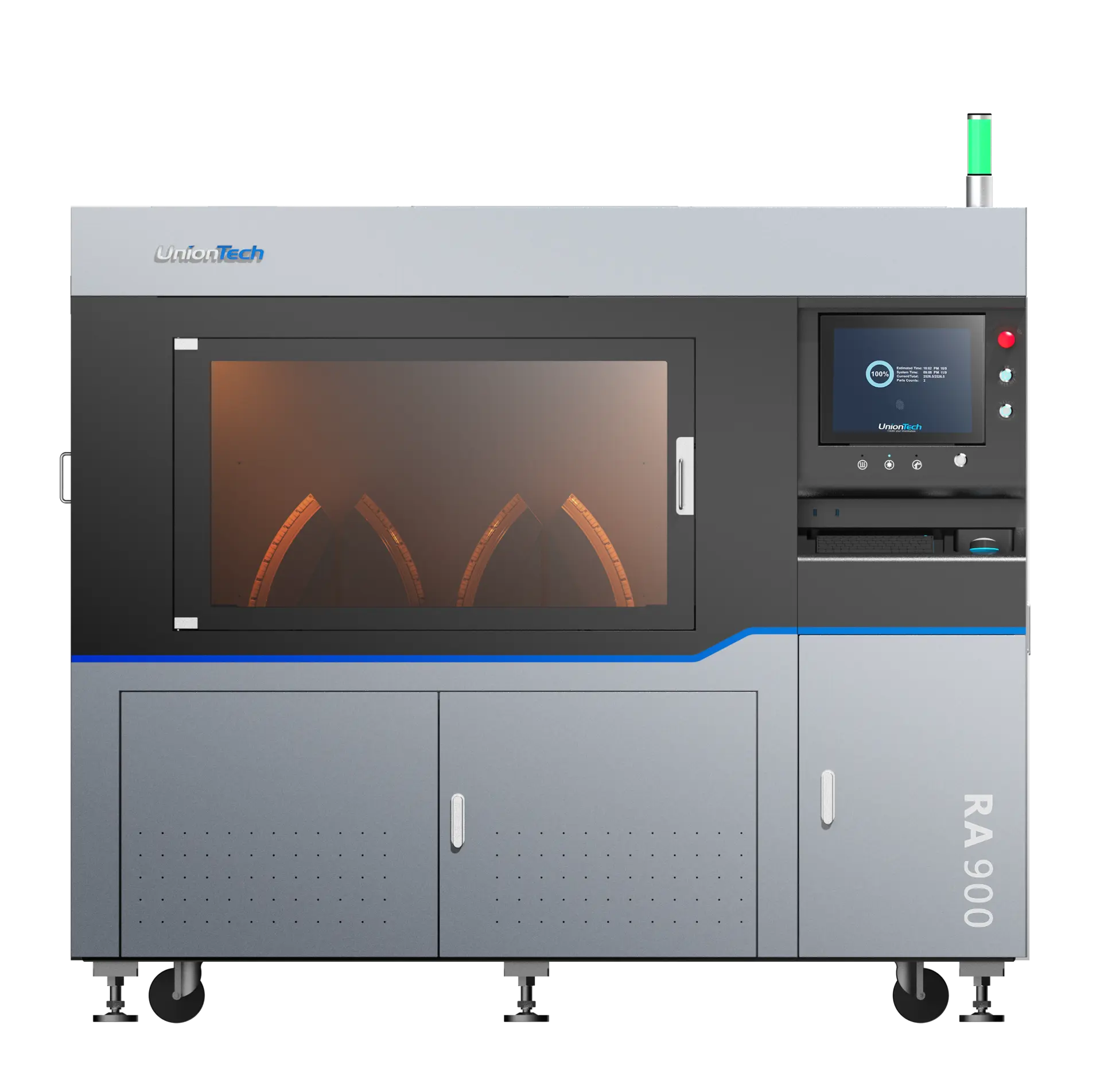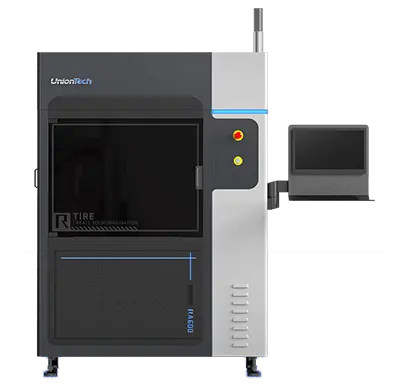
In the ever-evolving landscape of 3D printing, mid size printers have emerged as versatile workhorses, playing a pivotal role in the realm of prototyping. These machines strike a balance between compact desktop units and larger industrial printers, offering a sweet spot for designers, engineers, and creatives seeking precision and flexibility in their prototyping endeavors.
The versatility of mid size 3d printers begins with their ability to transcend the constraints of traditional desktop models. While compact enough to fit comfortably into various workspaces, these printers boast a larger build volume, enabling the creation of prototypes with dimensions that would be challenging for smaller printers to handle. The expanded print area opens up new possibilities for designers who require larger, more intricate prototypes without compromising on precision.
One hallmark of mid size 3d printers is their compatibility with a diverse range of materials. From standard PLA and ABS to more advanced materials like PETG, nylon, and flexible filaments, these printers provide designers with a spectrum of options to match the requirements of their prototypes. Whether crafting functional parts, artistic models, or prototypes that mimic the properties of the final product, mid size printers offer the flexibility needed to experiment with various materials.
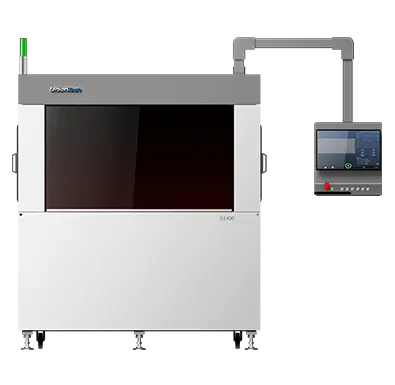
RSPro1400
In the fast-paced world of product development, efficiency in iteration is paramount. Mid size 3D printers shine in the realm of rapid prototyping, allowing designers to quickly iterate and refine their designs. The combination of a larger build volume and efficient printing speeds enables the production of multiple iterations in a single run. This not only accelerates the prototyping phase but also contributes to cost savings and reduces time-to-market for new products.
Mid size 3D printers excel in handling complex geometric designs and intricate details. Their precision-engineered mechanisms ensure that each layer is deposited with accuracy, resulting in prototypes that faithfully represent the intended design. This capability is particularly valuable in industries such as aerospace, automotive, and consumer electronics, where prototypes must capture the intricacies of the final product.
The versatility of mid size 3d printers extends across a multitude of industries and applications. From architectural models and medical prototypes to intricate mechanical parts and consumer goods, these printers become indispensable tools for professionals seeking to bring their ideas to life. The ability to print larger and more complex prototypes enhances the scope of applications, making mid size printers suitable for a wide range of creative and industrial endeavors.
While mid size 3d printers offer a range of benefits, optimal prototyping requires careful consideration of factors such as material selection, print settings, and post-processing techniques. Designers and engineers must leverage the capabilities of mid size printers by fine-tuning these variables to achieve the desired results. As technology continues to advance, the learning curve for maximizing the potential of mid size 3d printers becomes more accessible, empowering a broader audience to harness their capabilities.
In conclusion, the versatility of mid size 3d printers in prototyping represents a paradigm shift in the world of product development. From precision engineering and efficient iteration to handling a spectrum of materials and applications, these printers empower designers to craft prototypes at a scale that bridges the gap between desktop units and larger industrial machines. As the demand for efficient and precise prototyping solutions continues to grow, mid size 3d printers stand at the forefront, enabling a new era of creativity and innovation in the realm of product development.