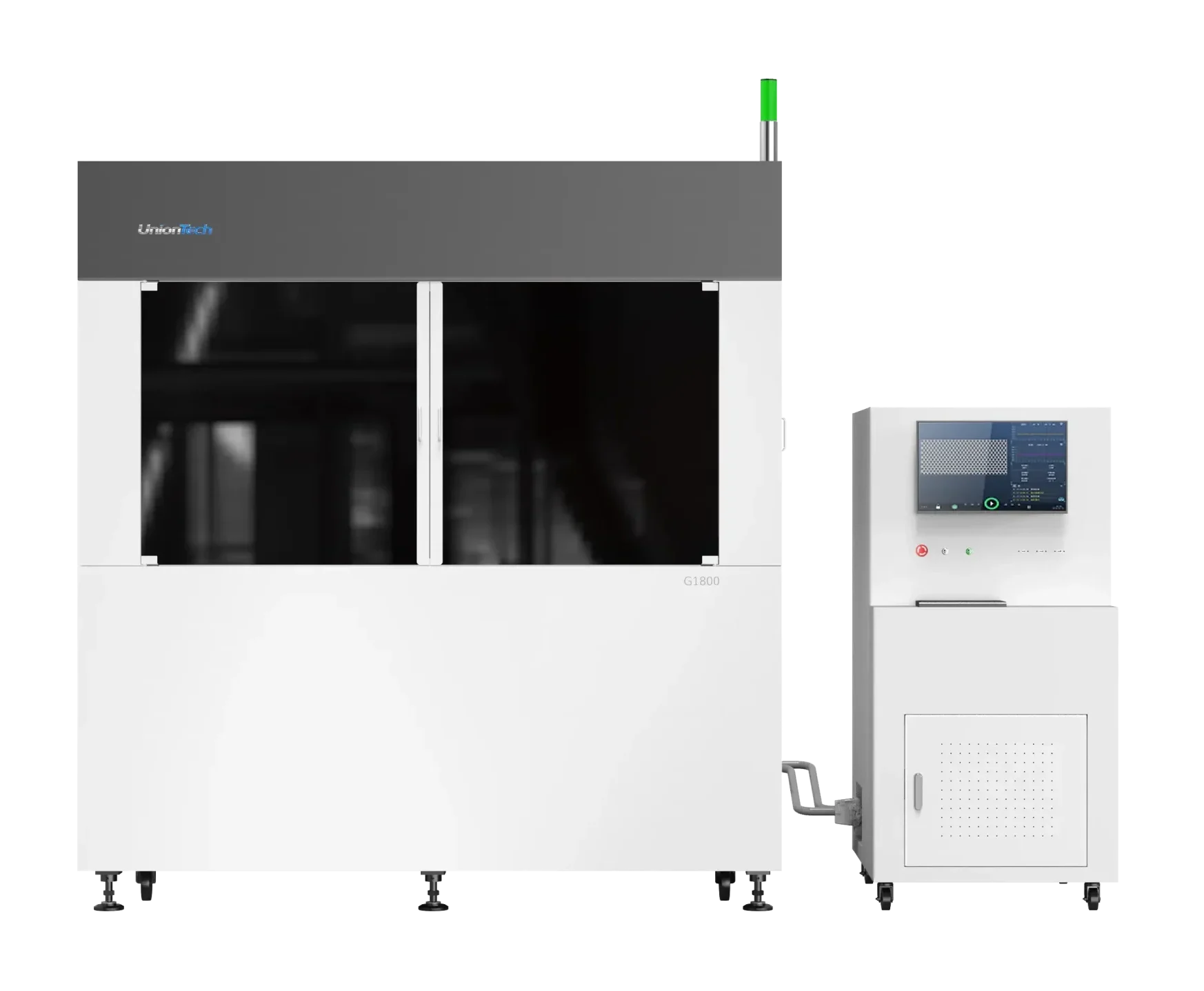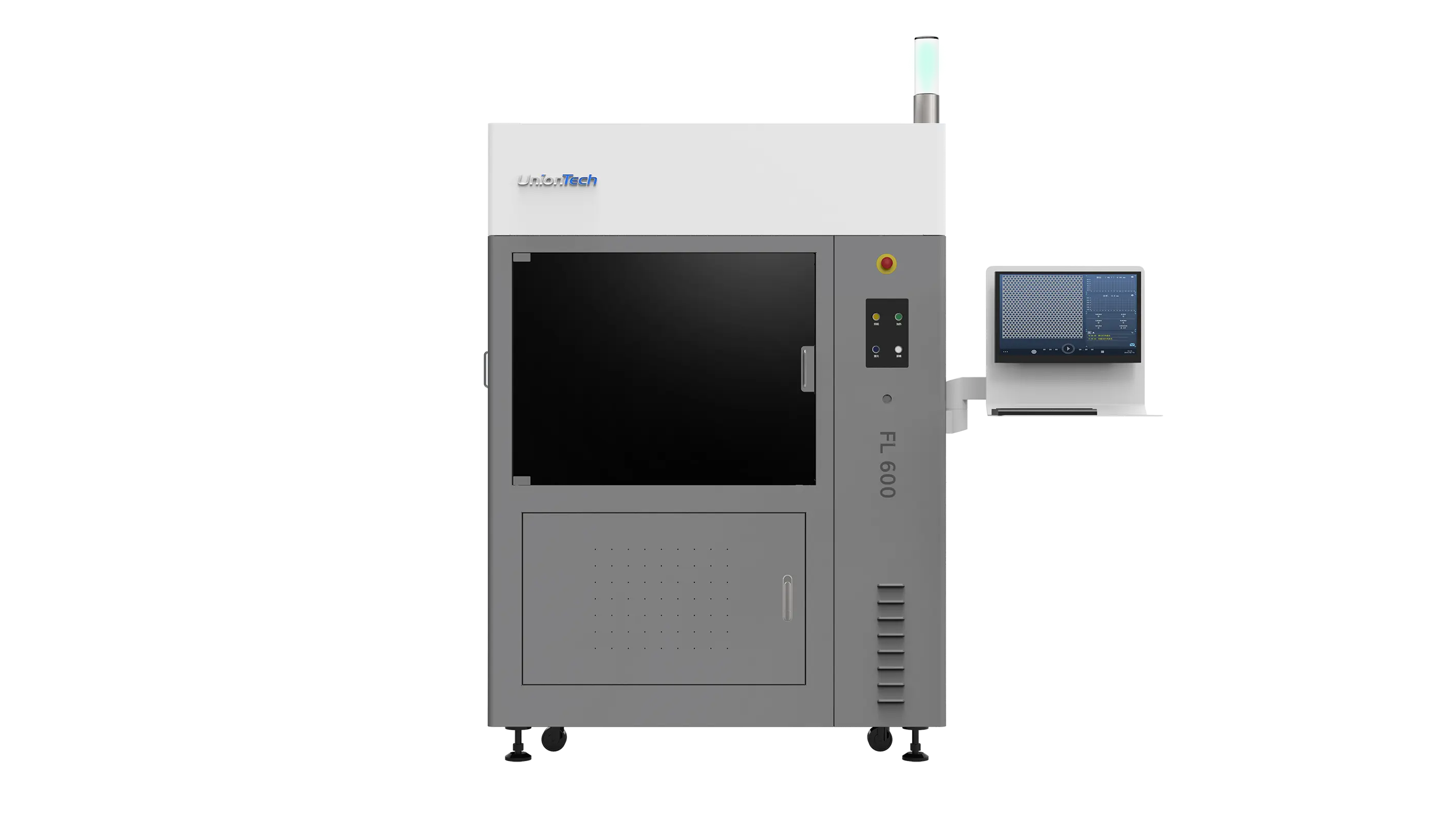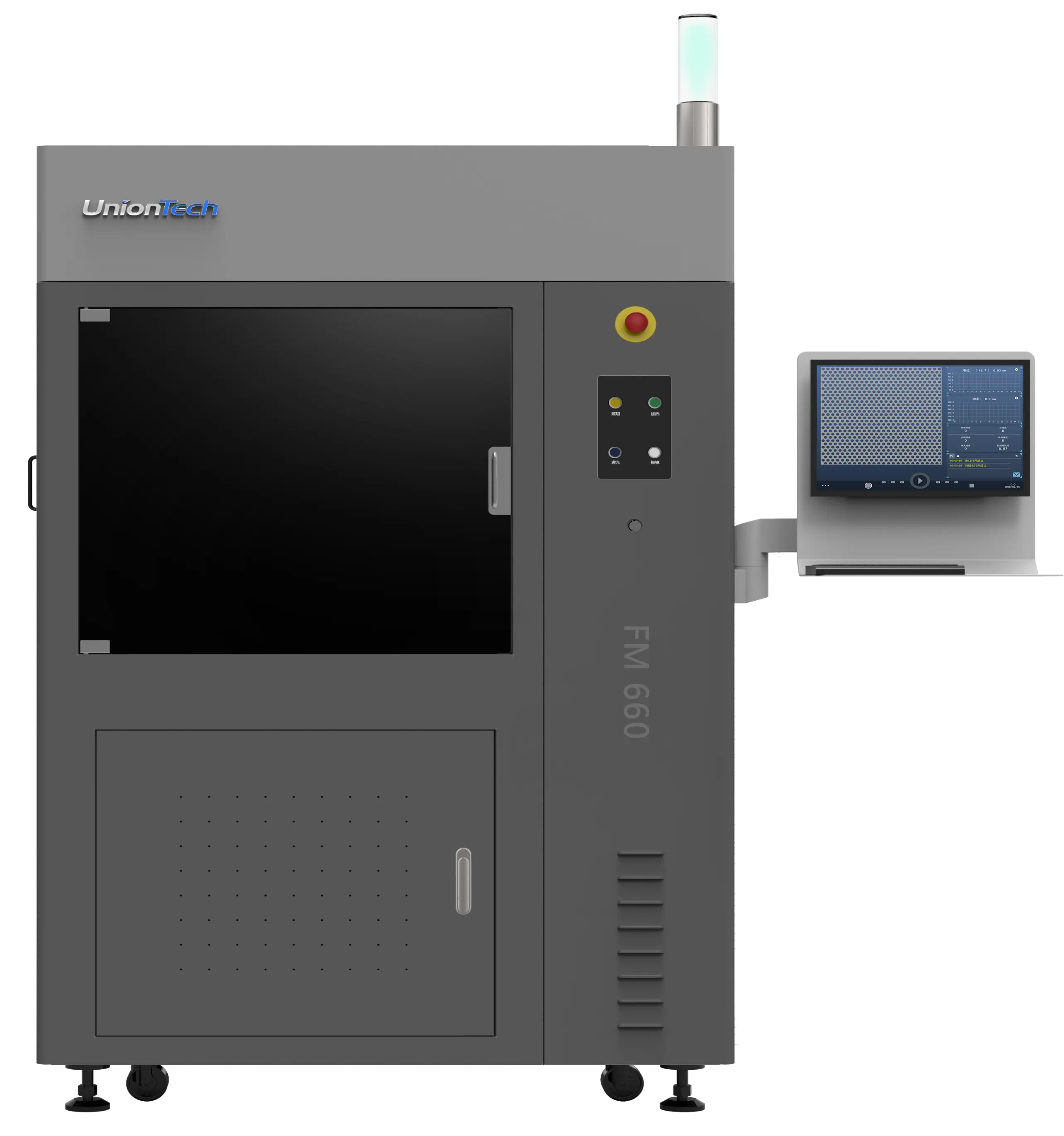
Industrial Stereolithography (SLA) printers have emerged as catalysts for innovation across a myriad of industries, reshaping the landscape of manufacturing and design. This passage explores the diverse applications of industrial SLA printers, showcasing their multifaceted capabilities that extend far beyond traditional 3D printing.
One of the primary applications of industrial SLA printers lies in precision prototyping. These printers excel in creating detailed and accurate prototypes with intricate geometries. This capability facilitates rapid iteration in product development, enabling designers and engineers to test and refine their concepts swiftly. From automotive components to electronic devices, industrial SLA printing has become a cornerstone in the iterative design process, reducing time-to-market for new products.
The precision achieved by industrial SLA printers extends to fine detailing, allowing for the creation of complex structures with unprecedented intricacy. This is particularly valuable in industries such as aerospace and medical, where components demand meticulous detailing. The ability to produce prototypes that mirror the intricacies of the final product ensures that designers can validate not only the form but also the functionality of their creations.
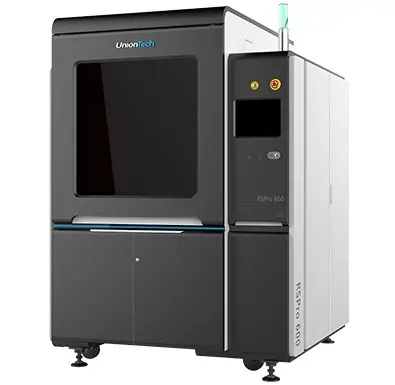
RSPro600 A New Dimension in SLA 3D Printing
Industrial SLA printers are not confined to prototyping; they play a pivotal role in large-scale manufacturing. These printers can produce multiple intricate components simultaneously, optimizing efficiency in mass production. Whether it’s creating intricate parts for consumer electronics or components for medical devices, industrial SLA printing brings the precision of additive manufacturing to the realm of large-scale production.
The applications extend beyond the production of individual components. Industrial SLA printing streamlines assembly processes by enabling the creation of complex, assembled structures as a single, seamless piece. This not only reduces the need for manual assembly but also enhances the structural integrity of the final product. The efficiency gained in assembly processes contributes to cost savings and overall production optimization.
Industrial SLA printing offers a diverse range of materials, opening the door to customization for specific applications. From flexible resins for medical devices to high-performance materials for aerospace components, the ability to tailor materials to meet specific mechanical, thermal, or chemical requirements is a defining feature of industrial SLA printers. This customization revolutionizes the production of components that demand specialized properties.
The flexibility of industrial SLA printers extends to the realm of custom components. These printers seamlessly transition from prototyping to the production of custom components, addressing the unique needs of various industries. From personalized medical implants to custom-designed consumer products, industrial SLA printing enables manufacturers to deliver tailored solutions that cater to the individual requirements of their clientele.
In conclusion, the applications of industrial SLA printers are as diverse as the industries they serve. Whether facilitating precision prototyping, optimizing mass production efficiency, or revolutionizing customization, these printers stand as versatile technological marvels. The ability to combine speed, precision, and material diversity positions industrial SLA printing at the forefront of advanced manufacturing technologies, promising a future where the boundaries of what can be created are continually expanded.