Rapid prototyping has become an essential step in modern product development, especially for B2B manufacturers that require precision, repeatability, and predictable timelines. As product cycles shorten, companies are paying closer attention to how additive manufacturing tools influence early-stage validation. At UnionTech, we work closely with engineering teams to understand how industrial-grade systems fit into real production environments rather than experimental use. This perspective allows us to approach prototyping as a practical manufacturing process, not just a design exercise, where dimensional accuracy and material behavior directly affect downstream decisions.
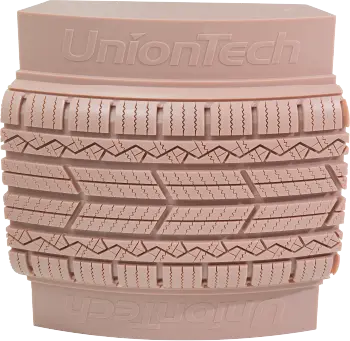
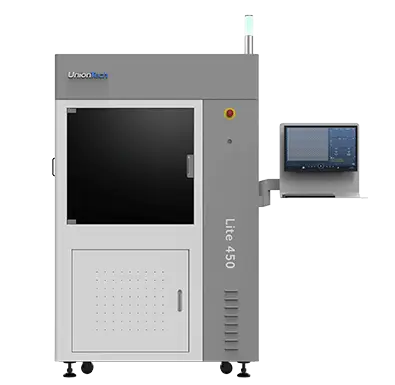
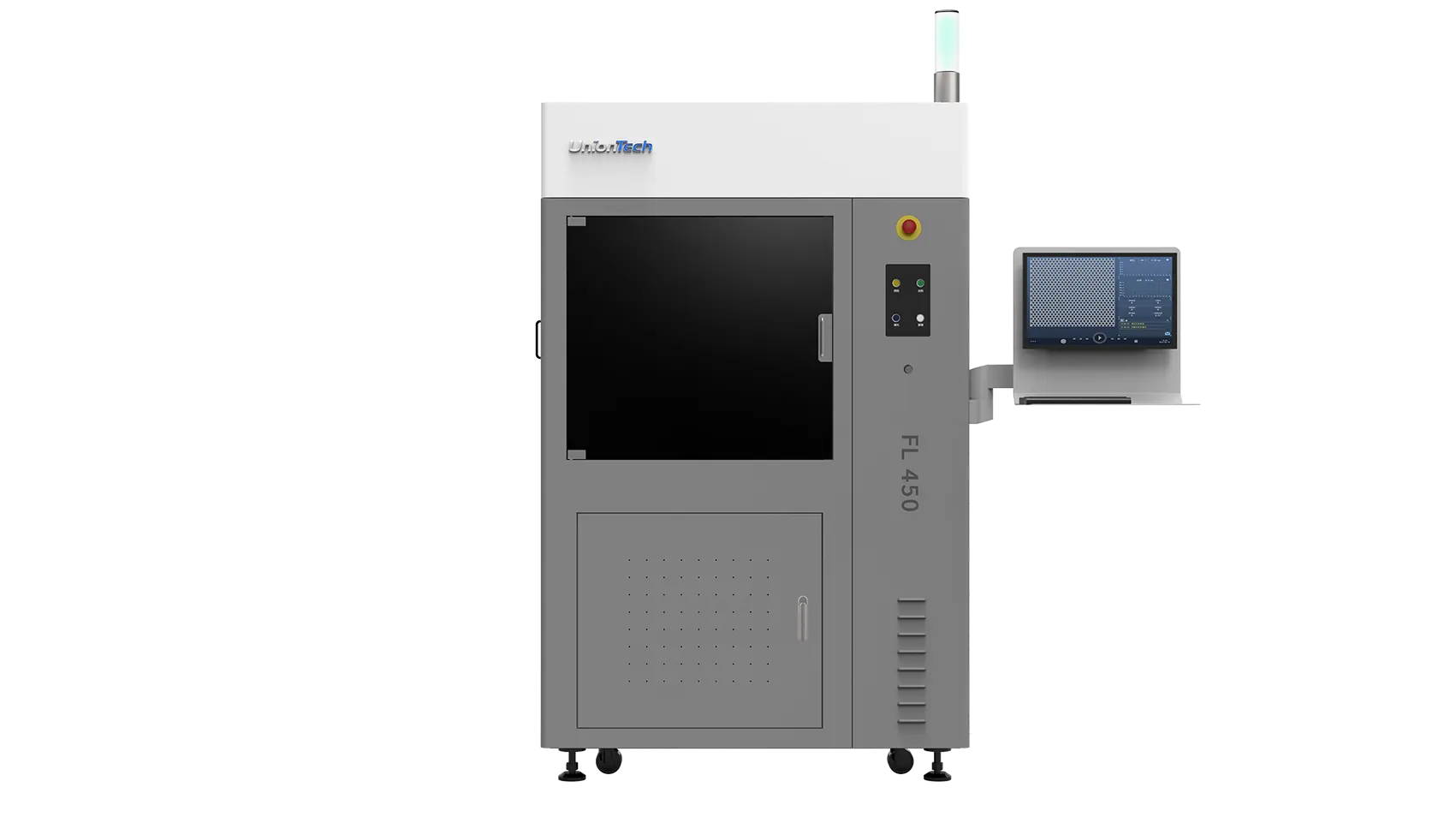
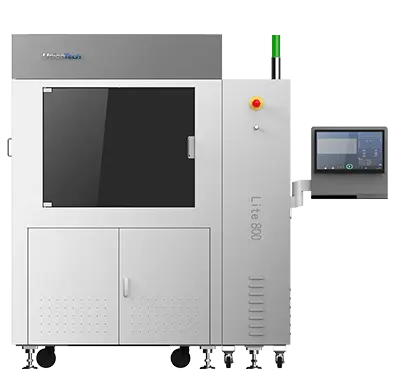
When evaluating prototyping methods, dimensional control and surface consistency are often deciding factors. Industrial photopolymerization systems provide stable layer formation and controlled curing behavior, which helps engineers verify assemblies and functional interfaces earlier in development. As an experienced industrial 3D printer manufacturer, we focus on scalable equipment configurations that support build sizes ranging from small precision components to large-format prototypes. Our SLA platforms are designed to maintain accuracy within a controlled tolerance range, enabling engineers to test fit, structure, and visual quality without repeated redesign cycles.
Material selection plays a critical role in whether a prototype can move beyond visual assessment. Functional testing, assembly verification, and limited-load evaluation all depend on resin performance. We have developed and validated a broad internal resin portfolio while maintaining open collaboration with material partners to address application-specific needs. This approach allows our SLA 3D printers to support prototyping workflows in industries such as automotive, electronics, medical, footwear, and tooling. By matching material behavior with application intent, prototyping becomes a meaningful engineering step rather than a standalone model-making task.
Prototyping efficiency is influenced not only by hardware but also by software coordination across data preparation and machine control. Our systems integrate data processing, parameter optimization, and print management into a unified workflow that helps engineering teams maintain consistency across builds. From initial file handling to print execution and monitoring, this structure reduces manual intervention and supports repeatable outcomes. Over time, standardized workflows help teams compare iterations more effectively and make informed design adjustments based on measurable results rather than assumptions.
Industrial SLA technology is reshaping how prototyping supports product development by offering reliable accuracy, adaptable materials, and controlled workflows. Instead of serving as a preliminary visualization tool, SLA-based prototyping now enables engineers to validate form, function, and assembly earlier in the process. By aligning equipment capabilities with real manufacturing requirements, we help B2B customers integrate prototyping into structured development cycles, improving decision-making and reducing unnecessary iteration before production.