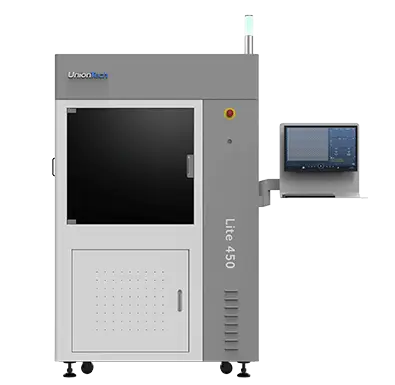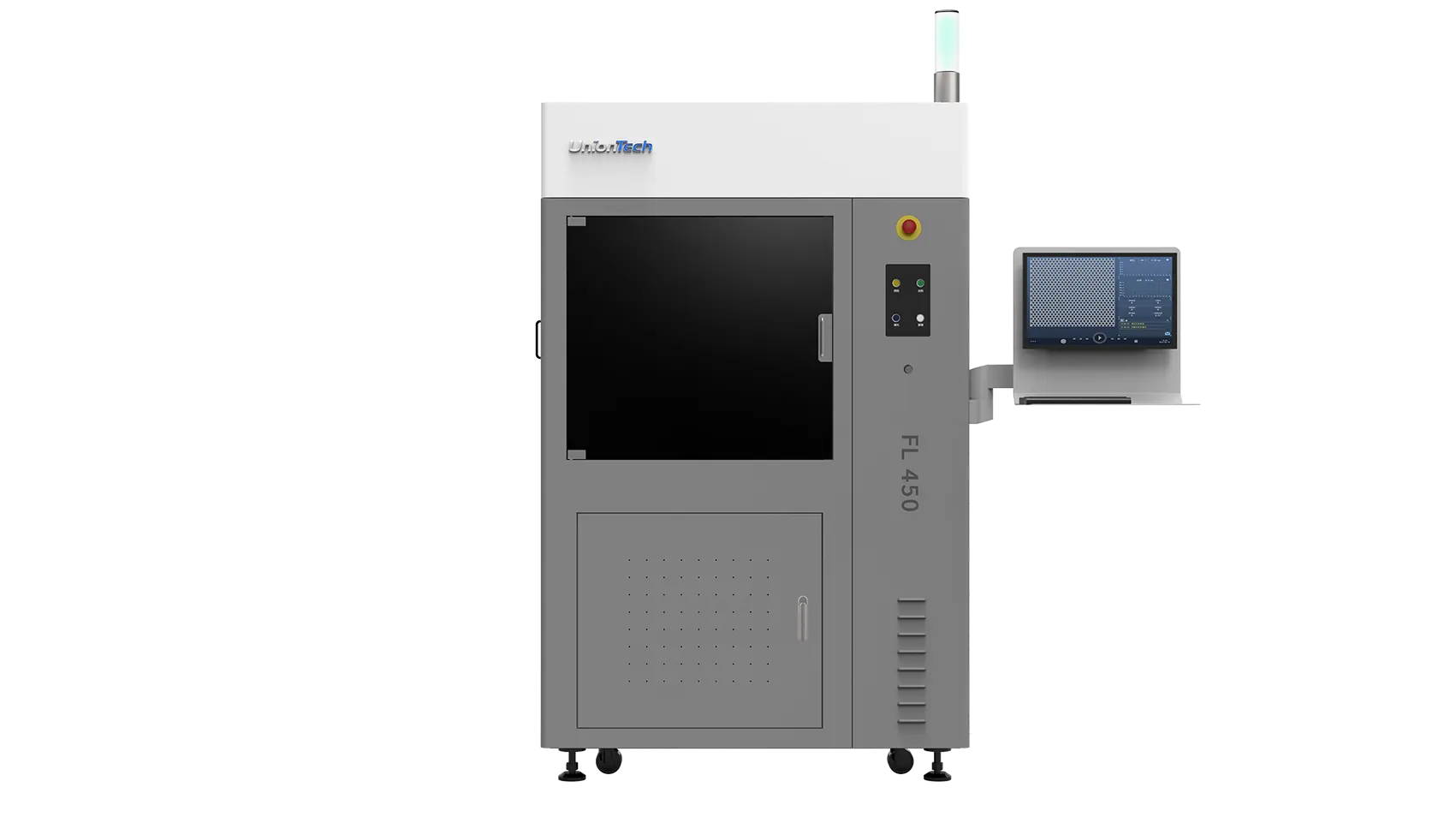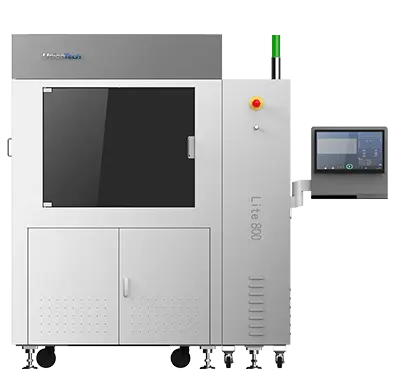
As sustainability becomes a practical requirement rather than a concept, many manufacturers are reassessing how products are designed, produced, and delivered. The question of how 3D printing is changing sustainable supply chain is closely linked to material efficiency, production flexibility, and logistics optimization. As an industrial 3D printer manufacturer, UnionTech works with B2B customers who are seeking ways to reduce waste, shorten development cycles, and improve resource utilization through additive manufacturing. In this context, industrial-grade 3D printing is not a replacement for traditional manufacturing, but a complementary approach that supports more responsible supply chain practices.
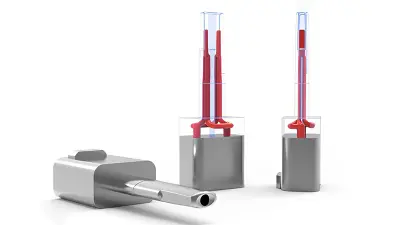
One of the most direct ways 3D printing supports a sustainable supply chain is by minimizing material waste. Unlike subtractive processes that remove excess material, an industrial 3D printer builds parts layer by layer, using only the material required for the design. This approach is particularly valuable during prototyping, functional testing, and small-batch production, where frequent design changes are common.
At our company, we see customers using SLA systems to optimize designs early, reducing unnecessary iterations and lowering material consumption across development stages. As an industrial 3D printer manufacturer, we focus on process stability and material compatibility so that printed parts meet dimensional and functional expectations without repeated rework, which directly contributes to more efficient material use within the supply chain.
Another way 3D printing is changing sustainable supply chain structures is by supporting localized production. Instead of relying solely on centralized manufacturing and long-distance transportation, companies can produce certain components closer to where they are needed. This flexibility reduces transportation-related emissions and helps organizations respond faster to demand changes.
Through our industrial SLA solutions, UnionTech supports manufacturers in sectors such as automotive, electronics, and healthcare, where regional production and rapid validation are increasingly important. By using an industrial 3D printer for tooling, jigs, fixtures, and low-volume end-use parts, companies can maintain supply continuity while lowering dependence on complex logistics networks.
Sustainability is also about resilience and long-term efficiency. Additive manufacturing allows digital inventories to replace physical stock for certain components, reducing storage requirements and material obsolescence. From spare parts to customized assemblies, industrial 3D printing supports on-demand production aligned with real usage needs.
As an industrial 3D printer manufacturer, we integrate hardware, materials, and software to support consistent production workflows. This helps B2B customers manage product lifecycles more effectively, extend equipment usability, and reduce unnecessary waste generated by overproduction or outdated inventory.
So, how 3D printing is changing sustainable supply chain practices can be understood through material efficiency, localized manufacturing, and resilient production planning. While it is not a universal solution, industrial-grade additive manufacturing offers measurable advantages when applied strategically. At UnionTech, we continue to support manufacturers with reliable industrial systems that align sustainability goals with real production needs, helping supply chains become more adaptable, efficient, and responsible over time.