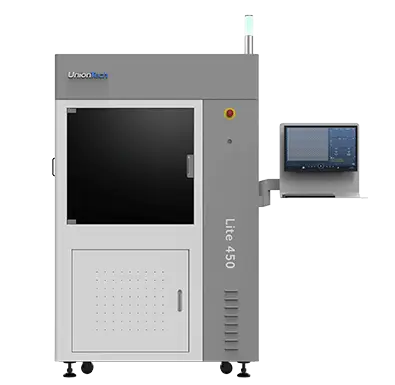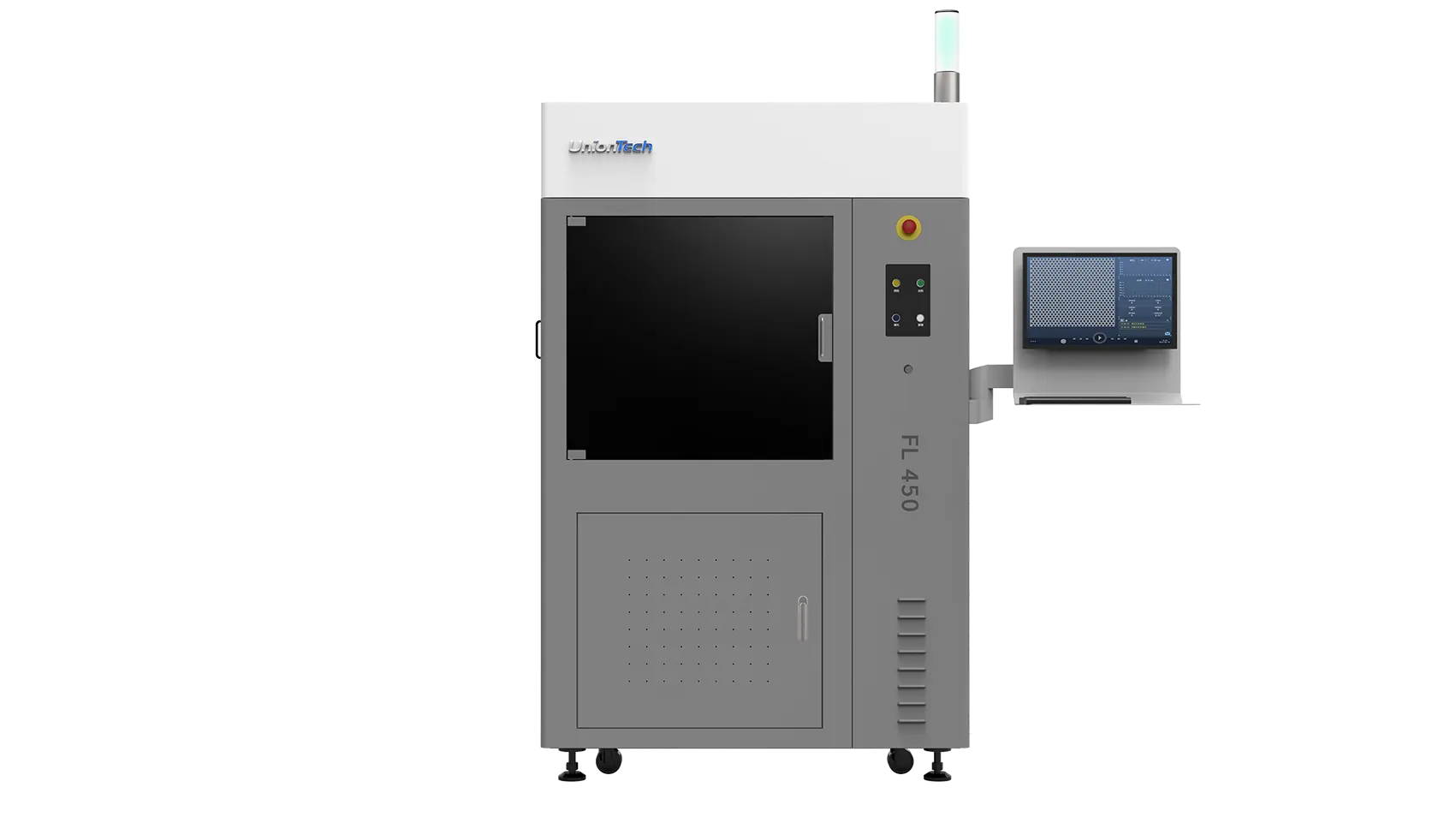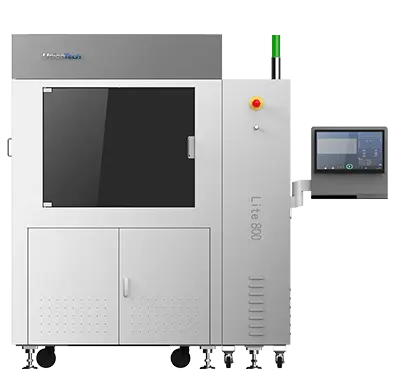
The manufacturing landscape has undergone a radical transformation, moving far beyond the conventional limits of subtractive methods like CNC machining. At the heart of this change is additive manufacturing, commonly known as 3D printing, a technology that is not just an alternative but a genuine innovation driver. For businesses operating in a highly competitive B2B environment—from aerospace to consumer electronics—understanding the vast potential of 3D printing industrial applications is critical to maintaining an edge.
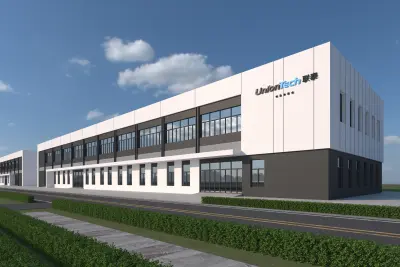
UnionTech: A Leader in Industrial Additive Solutions
Before diving into the core applications, it is essential to establish the context of the technology provider. UnionTech is a key player in the additive manufacturing space, particularly recognized for its expertise in photopolymer technologies like Stereolithography (SLA), Digital Light Processing (DLP), and Selective Laser Melting (SLM).
Since its founding in 2000, UnionTech has built a strong brand presence, especially in the large-format and high-precision segments of the market. Its comprehensive product portfolio, which includes advanced 3D printers, specialized materials, and intelligent software, addresses the full spectrum of the industrial digital manufacturing workflow. The company’s primary audience is the B2B sector, serving major industries like automotive, aerospace, footwear, and dental laboratories, often through partnerships with large-scale service bureaus. As an established industrial 3D printer manufacturer, UnionTech’s focus is on delivering stability, precision, and efficiency for large-volume, demanding production cycles.
Transforming the Product Development Cycle: From Concept to Validation
One of the longest-standing and most valuable uses of 3D printing is in the rapid development process. This stage is where industrial 3D printer technology first delivered its massive cost and timesaving benefits.
Rapid Prototyping
The ability to quickly produce a physical, three-dimensional model directly from a digital design file is perhaps the most fundamental of 3D printing industrial applications. In the past, prototyping could take weeks or even months and cost tens of thousands of dollars using traditional tooling methods. Today, an engineer can design a part and have a high-fidelity prototype in hand within hours or days. This drastically accelerates the design-test-iterate loop, ensuring faster product validation before committing to expensive mass production tooling.
Jigs, Fixtures, and Tooling
Beyond a concept model, many manufacturers leverage industrial 3D printing for producing production aids.
Jigs and Fixtures: Custom tools, often called jigs and fixtures, are necessary to guide manufacturing processes, hold parts in place during assembly, or ensure precise alignment. An industrial 3D printer can fabricate these components on demand, lightweighting them through complex lattice structures and customizing them for a specific part run, reducing downtime and optimizing the factory floor.
Molds and Patterns: For foundries and specialized manufacturing, 3D printing is used to create patterns for investment casting (creating the disposable mold) or complex molds for injection molding short runs.
Advanced Industrial Applications: Customization and End-Use Parts
The progression of additive manufacturing materials and technology has moved the industrial 3D printer beyond prototyping into the realm of final product manufacturing, enabling mass customization and decentralized production.
Aerospace and Automotive Lightweighting
The need for strength, low weight, and complex geometry is paramount in transportation. UnionTech’s large-format SLA printers, such as the RSPro Series, are engineered for this demanding sector. These machines allow engineers to design parts that integrate multiple functions and optimize material use through complex internal structures that cannot be made with traditional methods. This part consolidation and lightweighting directly translate to increased fuel efficiency and improved performance for high-value components.
Patient-Specific Healthcare Solutions (Dental and Medical)
The healthcare sector has seen a revolution through digital manufacturing. Within dentistry, for example, high-precision DLP and SLA systems produce clear aligner models, surgical guides, and custom crowns. For the patient, this means faster turnaround and a perfect, custom fit. UnionTech as industrial 3D printer manufacturer, specifically caters to this high-demand, high-accuracy market with products, demonstrating the incredible precision necessary for these sensitive 3D printing industrial applications. The specifications of the E140, for instance, highlight its industrial capability:
| Specification | Value | Application Relevance |
| Print Size (XYZ) | 144×81×80 mm | Optimized for high-volume batch printing of small dental models. |
| Layer Thickness | 0.05 to 0.1 mm | Guarantees the necessary high accuracy for clinical fit and detail. |
| Print Speed | Up to 6 orthodontic models can be printed in 25 minutes. | Critical for dental clinics and labs that require rapid, chairside or on-demand manufacturing. |
| Projection Mode | Bottom-up Projection | Efficient, precise DLP technology for resin printing. |
The ability of an industrial 3D printer manufacturer to consistently meet this level of accuracy is what allows for the production of patient-ready end-use devices.
Supply Chain Optimization and Decentralized Manufacturing
The final layer of industrial value comes from the strategic impact of additive manufacturing on logistics and business continuity.
On-Demand Spare Parts Production: A major business challenge is maintaining an inventory of slow-moving or obsolete spare parts. 3D printing industrial applications resolves this by digitizing the inventory. Instead of warehousing physical parts, a company stores the digital file. When a replacement part is needed—be it a turbine component or an obsolete equipment handle—it is printed on-demand at a local facility. This decentralized, just-in-time model drastically reduces warehousing costs and minimizes lead times for mission-critical repairs.
Mass Customization: For industries like footwear and consumer goods, 3D printing enables the concept of mass customization. Instead of manufacturing a single, generic product in the millions, companies can adapt a base design to customer-specific data, such as an individual’s foot scan for a perfect shoe sole. This level of personalization, previously economically infeasible, is now a scalable reality, creating premium product opportunities and reducing overstock.
Conclusion
The applications of 3D printing have moved decisively from novel prototyping to core industrial manufacturing. Driven by companies like UnionTech, which provides robust and highly accurate equipment, the additive landscape is fundamentally changing how goods are designed, produced, and delivered across sectors. From the rapid iteration of prototypes and the creation of custom tooling to the production of high-performance, lightweight end-use parts in aerospace and lifesaving personalized medical devices, the industrial 3D printer is now indispensable. For any business aiming for future efficiency and design freedom, investing in these advanced digital manufacturing capabilities is no longer a choice—it is a competitive necessity.