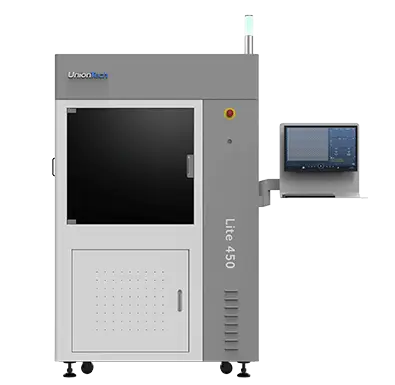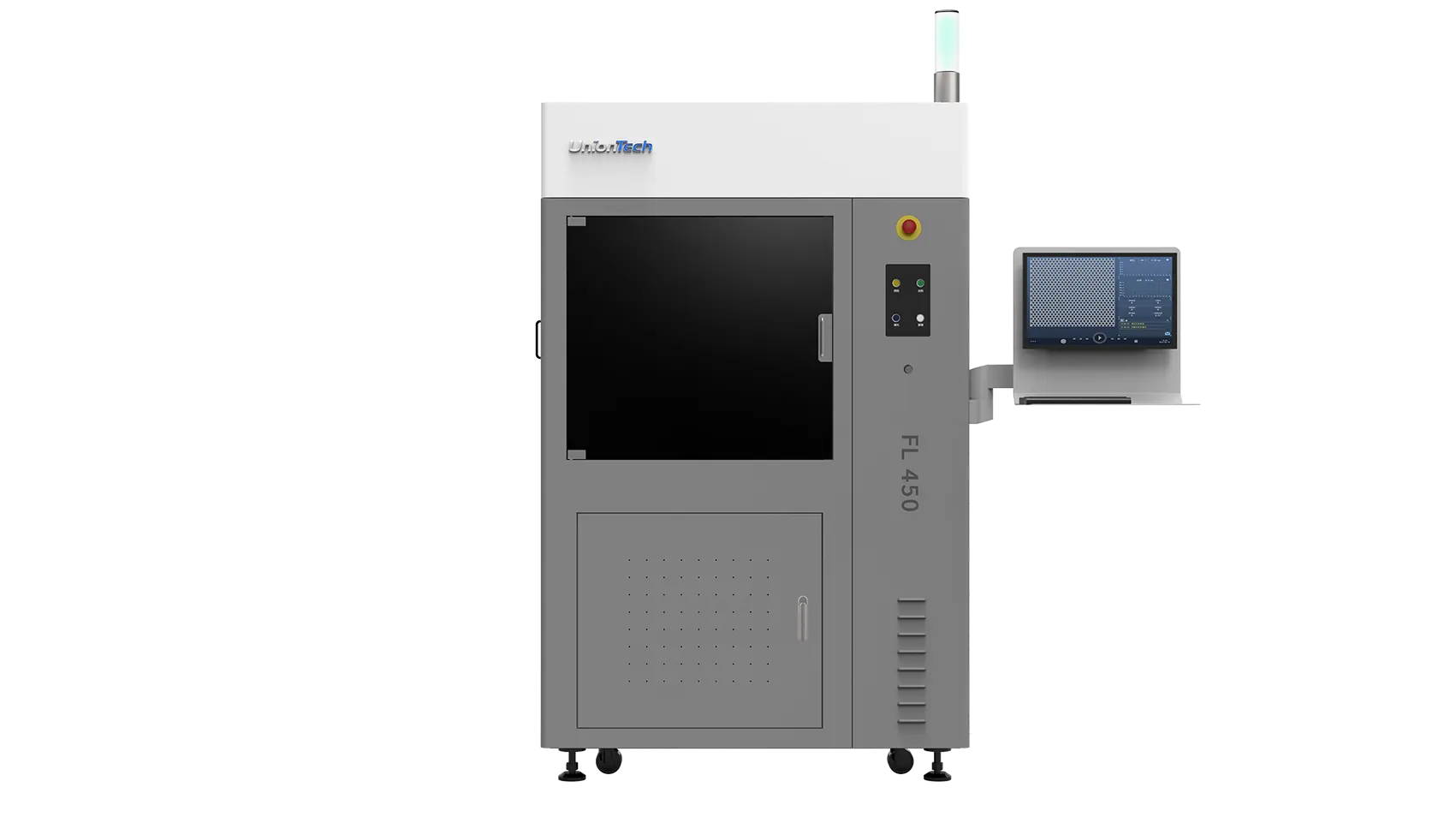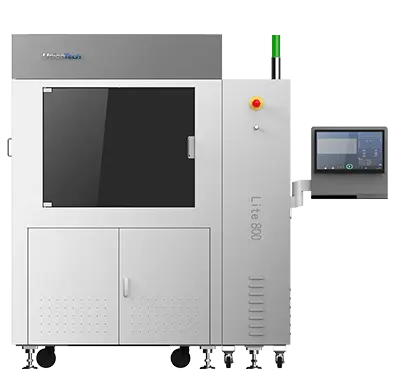
The world of additive manufacturing (AM) has evolved beyond the complex, labbound machines of the past. Today, modern industrial 3D printer manufacturers recognize that ease of use is no longer a luxury—it’s a requirement for mass adoption in demanding B2B environments like aerospace, automotive, and rapid prototyping services. The efficiency and reliability of an industrial 3D printer directly translate into ROI, making the operating experience a critical differentiator.
The days of needing a PhD in materials science to run a complex machine are over. The best industrial 3D printers are designed to integrate seamlessly into existing digital manufacturing workflows, offering a simplified, automated, and intuitive experience that empowers engineers and technicians to achieve high-quality results consistently. This shift is led by manufacturers like UnionTech, which has built a reputation on high-performance Stereolithography (SLA) and Digital Light Processing (DLP) systems coupled with user-centric design.
Redefining Operator Simplicity in High-Performance AM
For a high-volume manufacturing environment, “user-friendly” means much more than a bright touchscreen. It translates to features that minimize errors, maximize uptime, and drastically reduce the time spent on manual setup and maintenance.
The core of a userfriendly system lies in its control software. Sophisticated control systems like UnionTech‘s RSCON™ software are designed to automate critical functions that were historically sources of human error and delay:
Automated Calibration: High-end systems feature automated calibration for the laser, build platform, and scanning path. This ensures repeatable accuracy without requiring an operator to perform complex, time-consuming manual alignments.
Intelligent Parameter Selection: The software automatically suggests or selects optimal print parameters based on the chosen material (resin) and the geometry of the part. This removes the guesswork from translating CAD data into print-ready files.
Closed-Loop Systems: These features continuously monitor and adjust the printing process in real-time. For instance, UnionTech’s printers often feature online laser measurement and liquid level control, ensuring consistent layer thickness and print quality from the first part to the hundredth.
One of the biggest pain points in the operation of a traditional industrial 3D printer is material handling and routine upkeep. Modern manufacturers address this with mechanical and design innovations:
QuickChange Resin Systems: Printers like those in UnionTech’s Pilot series are designed with easily detachable resin tanks. This allows for quick, straightforward resin changes, minimizing downtime when switching between materials for different applications. The Pilot250, for example, is highlighted for its user-friendly operations, which include simple maintenance and quicker resin changes.
Open Material Systems: Providing an open material system gives businesses the freedom to utilize a wide selection of resins from different suppliers. While this requires a high degree of operator experience for parameter tuning on legacy machines, the best industrial 3D printers pair this openness with automatic parameter profiles for validated third-party materials, maintaining ease of use while expanding application flexibility. UnionTech’s SLA systems, such as the RSPro2100, feature this critical open material and open parameter design.
Active Environmental Controls: Features like Active Resin Heating integrated into the machine maintain the material at its optimal working temperature, reducing the risk of defects caused by temperature fluctuations without manual monitoring by the operator.
Spotlight on UserCentric Specifications: The UnionTech RSPro2100
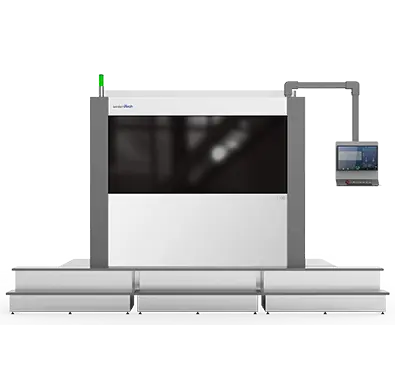
To illustrate how these features manifest in a production-ready machine, we can look at the UnionTech RSPro2100—an ultralarge-format Industrial SLA 3D Printer. This machine, designed for industries like automotive and aerospace, prioritizes robust performance without sacrificing usability.
| Specification | Detail | User-Friendly Impact |
| Technology | Industrial SLA (Stereolithography) | High resolution and smooth surface finish minimizes postprocessing effort. |
| Build Volume | 2,100 × 700 × 800 mm | Enables the printing of extremely large parts or high-volume batches, reducing the need for complex splitting and assembly. |
| Laser System | Triple Laser, Dynamic and Variable Focus | Automates laser beam size adjustment based on part geometry (e.g., small beam for detail, large beam for speed), optimizing print time and quality automatically. |
| Recoating System | Negative Pressure Adsorption Scraper | Ensures uniform and reliable recoating of resin across the vast build plate, minimizing user intervention and enhancing consistency. |
| Base Hardware | Granite Base Plate, Carbon Fiber Recoating Substrate | Enhanced stability and nondeformation for precision, ensuring repeatable quality even in harsh factory environments. |
The integration of such sophisticated hardware with streamlined software makes it possible for the industrial 3D printer manufacturers to deliver a platform that offers high-speed, repeatable results while simplifying the operator’s daily tasks, thereby drastically lowering the barrier to entry for full-scale AM adoption.
The UnionTech Advantage in Production Workflow
As an industrial 3D printer manufacturer, UnionTech understands that for B2B clients, the user experience extends beyond the machine’s control panel. It is about the holistic printing workflow—from file preparation to part completion.
Modern industrial 3D printer systems are increasingly adopting features that allow for remote operation and monitoring. Integrated cameras, app-based status alerts, and cloud connectivity allow managers and technicians to oversee print jobs from anywhere, ensuring that multiday prints are running smoothly without requiring a constant physical presence. This integration into the broader Industry 4.0 ecosystem is crucial for manufacturers seeking to maximize machine utilization.
Furthermore, the design itself often contributes to ergonomics. Features like frontloading access, ergonomic liquid level controls, and clearly labeled, noncomplex components for routine checks ensure that the physical interaction with the machine is safe and efficient. This focus on the practical, day-to-day workflow is what elevates a high-performance machine to one of the best industrial 3D printers on the market.
The evolution of additive manufacturing has proven that power and simplicity are not mutually exclusive. The market leaders, including UnionTech, continue to push the boundaries of what is possible by embedding high-level automation and intuitive design into their robust hardware. The shift toward a user-friendly operating experience, characterized by intelligent software, streamlined maintenance, and open system flexibility, is key to unlocking the true potential of the industrial 3D printer. For businesses investing in this technology, the focus is now on adopting systems that promise high throughput and low operator complexity, allowing them to transform rapid prototyping and manufacturing with confidence and speed.