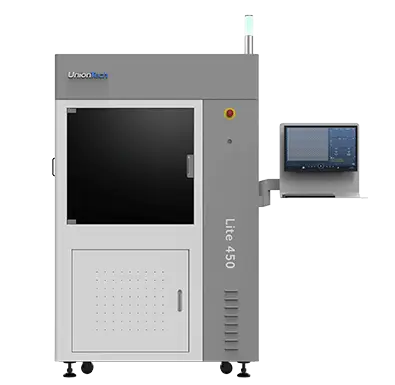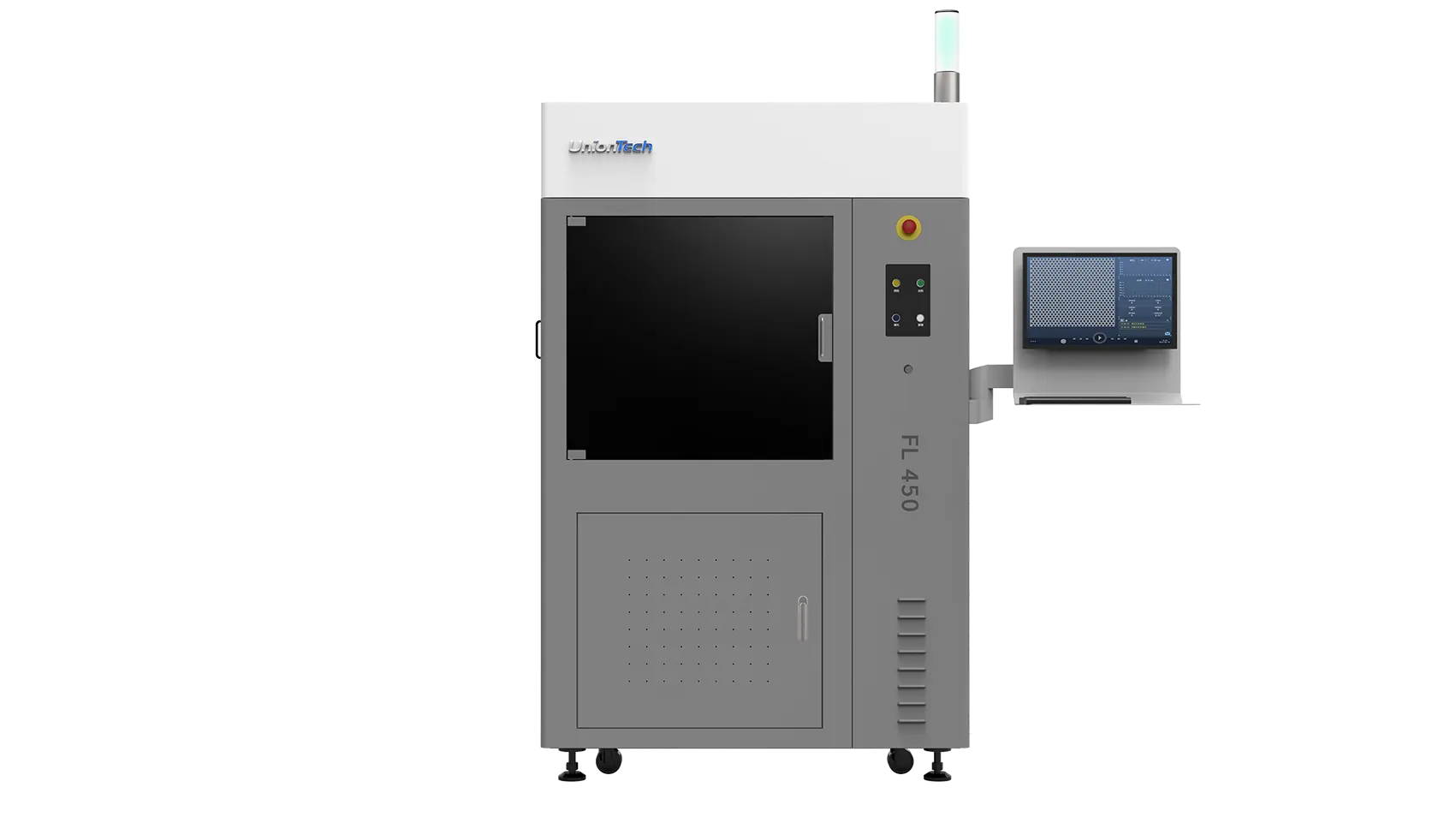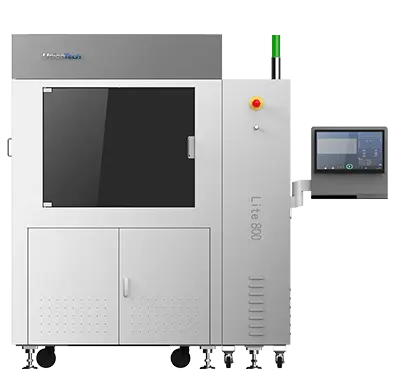
Over the past decade, additive manufacturing has moved from experimental use to an established engineering tool, especially in vehicle development. In 2026, 3D printing in automotive industry is no longer limited to concept models. It is now integrated into product validation, tooling, and selected production workflows. As an industrial 3D printer manufacturer focused on large-format and high-precision systems, UnionTech has observed how automotive engineers are rethinking design cycles, cost structures, and time-to-market. Instead of relying solely on traditional machining, teams increasingly adopt layered manufacturing to evaluate form, fit, and function earlier in development, reducing iteration delays while improving collaboration between design and manufacturing departments.
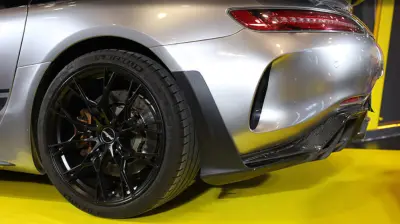
One of the most visible changes in the automotive sector is the shift from visual prototypes to functional validation parts. In early design phases, additive manufacturing allows engineers to test airflow channels, structural ribs, and assembly tolerances with realistic geometries. This evolution of 3D printing in automotive industry supports faster decision-making while maintaining engineering accuracy. Our company works closely with automotive customers to match part size and tolerance requirements with suitable SLA platforms, covering build volumes from 100 mm to 2100 mm and accuracy ranges suitable for interior components, lighting housings, and under-hood structures. As an industrial 3D printer manufacturer, we also support material selection for durability, heat resistance, and surface quality, enabling parts to move beyond appearance models into functional testing and limited-run applications.
Beyond prototyping, additive manufacturing increasingly supports tooling, fixtures, and customized production aids. Automotive plants use printed jigs, inspection tools, and assembly fixtures to respond quickly to model updates or regional variations. This approach improves flexibility while keeping costs predictable. Our systems integrate data preparation, process control, and print management software to ensure repeatable results across production teams. In the context of 3D printing in automotive industry, these digital workflows help manufacturers reduce dependency on long tooling lead times. Working as an industrial 3D printer manufacturer, we provide open material compatibility and stable process control so engineering teams can scale applications without restructuring existing production logic.
Looking toward 2026, additive manufacturing is becoming a practical complement to conventional automotive production rather than a standalone technology. By supporting rapid prototyping, functional validation, and flexible tooling, 3D printing in automotive industry continues to reshape how vehicles are developed and refined. At UnionTech, we focus on providing reliable industrial systems, materials, and software that align with real manufacturing requirements. As an industrial 3D printer manufacturer, our role is to help automotive engineers integrate additive processes thoughtfully, ensuring measurable value across development and production stages.