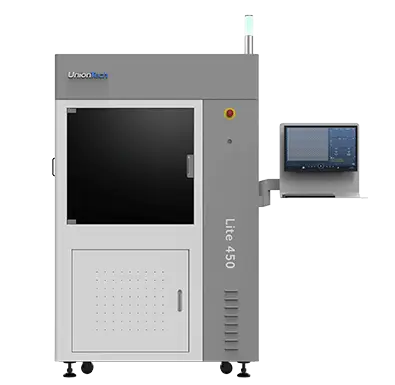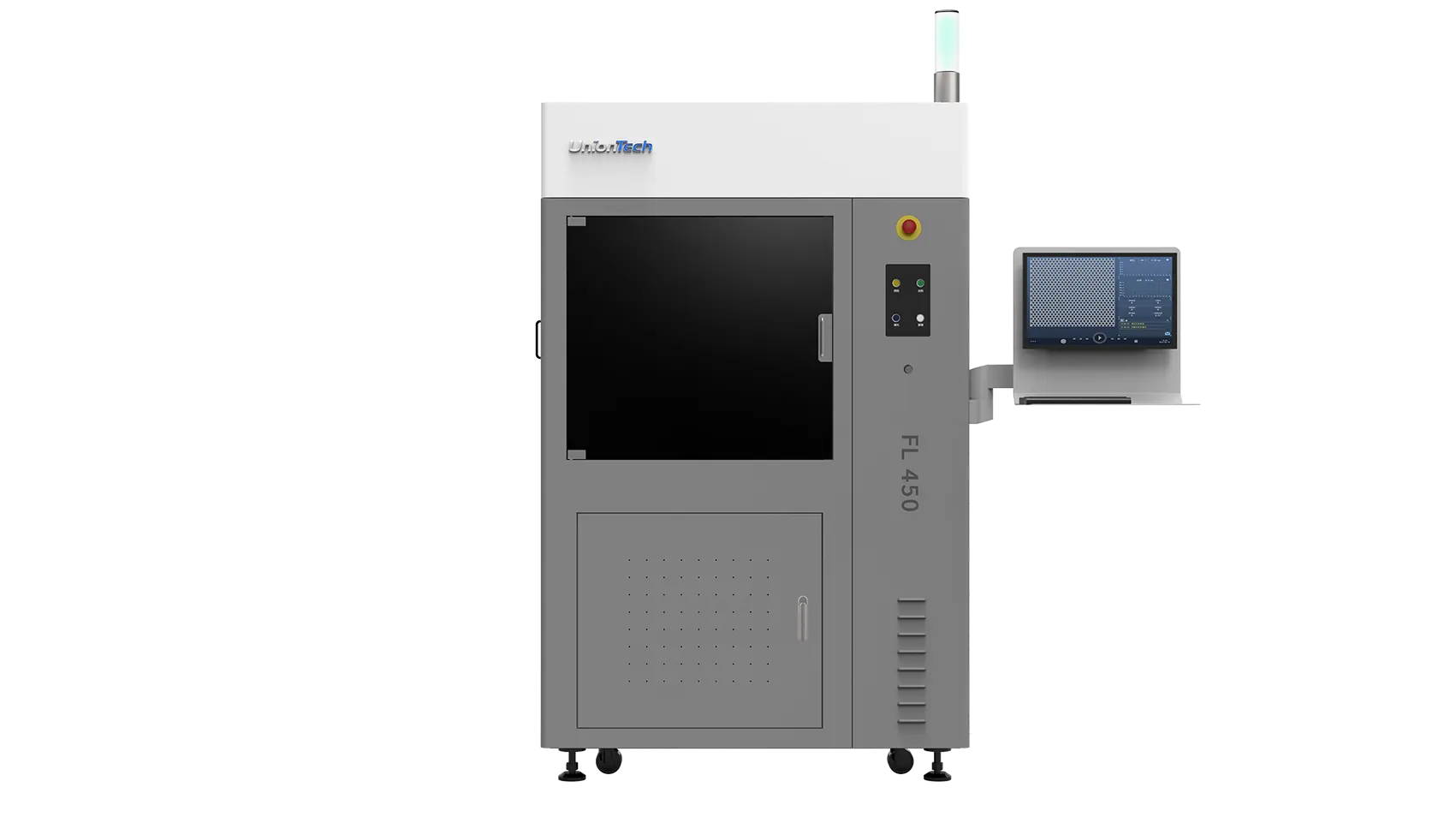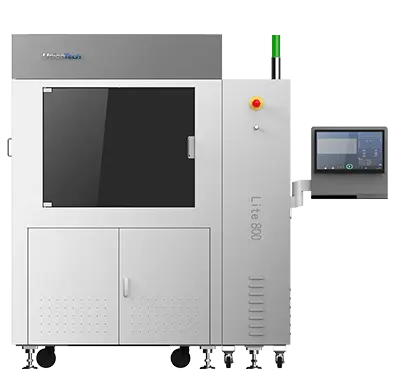
As vehicle platforms diversify and model cycles shorten, custom car parts are increasingly required in smaller batches and tighter timelines. We have observed that manufacturers and engineering teams are rethinking how components such as interior fixtures, housings, ducts, and functional prototypes are produced. Instead of relying only on conventional tooling, many teams are turning to additive manufacturing to balance speed, cost, and design flexibility. As an industrial 3D printer manufacturer serving automotive clients worldwide, UnionTech focuses on how stereolithography (SLA) can support this shift toward faster and more economical small-batch production.

Small-batch automotive parts often demand high dimensional accuracy, smooth surface quality, and repeatable results. SLA technology addresses these requirements by using photopolymer resins cured layer by layer, enabling fine feature resolution and stable tolerances. In 3D printing in automotive industry, this makes SLA suitable for components used in design validation, airflow testing, assembly checks, and even limited functional use. We design our systems to support build sizes from compact parts to large-format components, allowing automotive teams to consolidate multiple applications on one platform while maintaining consistent accuracy throughout the process.
Traditional manufacturing methods typically require molds or tooling, which can be costly and time-consuming for limited production runs. SLA-based workflows remove the need for upfront tooling, allowing digital designs to move directly into production. From our experience working with automotive engineers, this approach shortens iteration cycles and reduces overall development cost, particularly when design changes are frequent. As an industrial 3D printer manufacturer, we pair our equipment with process control software and validated resin options so small batches can be produced with predictable quality and less rework, supporting faster decision-making across project teams.
Automotive use cases vary widely, from visual models to parts requiring specific mechanical or thermal properties. To address this, we offer a broad portfolio of in-house resin materials and collaborate openly with material partners to meet diverse application needs. Our SLA systems are integrated with data preparation, process algorithms, and print management software, creating a stable workflow from file to finished part. Within 3D printing in automotive industry, this integrated approach helps engineering teams evaluate performance earlier and transition designs toward downstream manufacturing with fewer surprises.
SLA-based additive manufacturing provides a practical pathway for producing custom car parts in small batches, combining speed, cost efficiency, and design freedom. By removing tooling barriers and enabling accurate, repeatable results, it supports modern automotive development strategies focused on flexibility. As UnionTech, we continue refining our systems, materials, and workflows to help manufacturers apply SLA technology effectively across different stages of vehicle development, ensuring that small-batch production remains both feasible and efficient.