The wheel is one of the most mechanically and aesthetically critical components of a vehicle. It must handle immense dynamic loads while simultaneously serving as a key element of the car’s design language. While metal additive manufacturing (such as SLM) is used for end-use metal wheels, SLA printing technology plays a crucial, transformative role in the preliminary stages of the automotive wheel manufacturing process, particularly in prototyping and tooling.
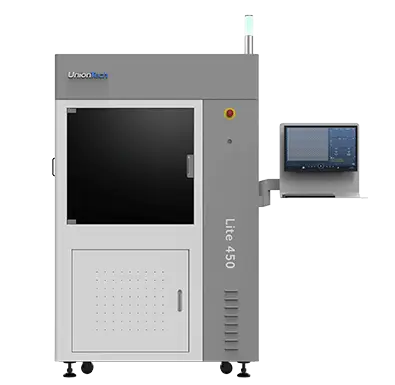
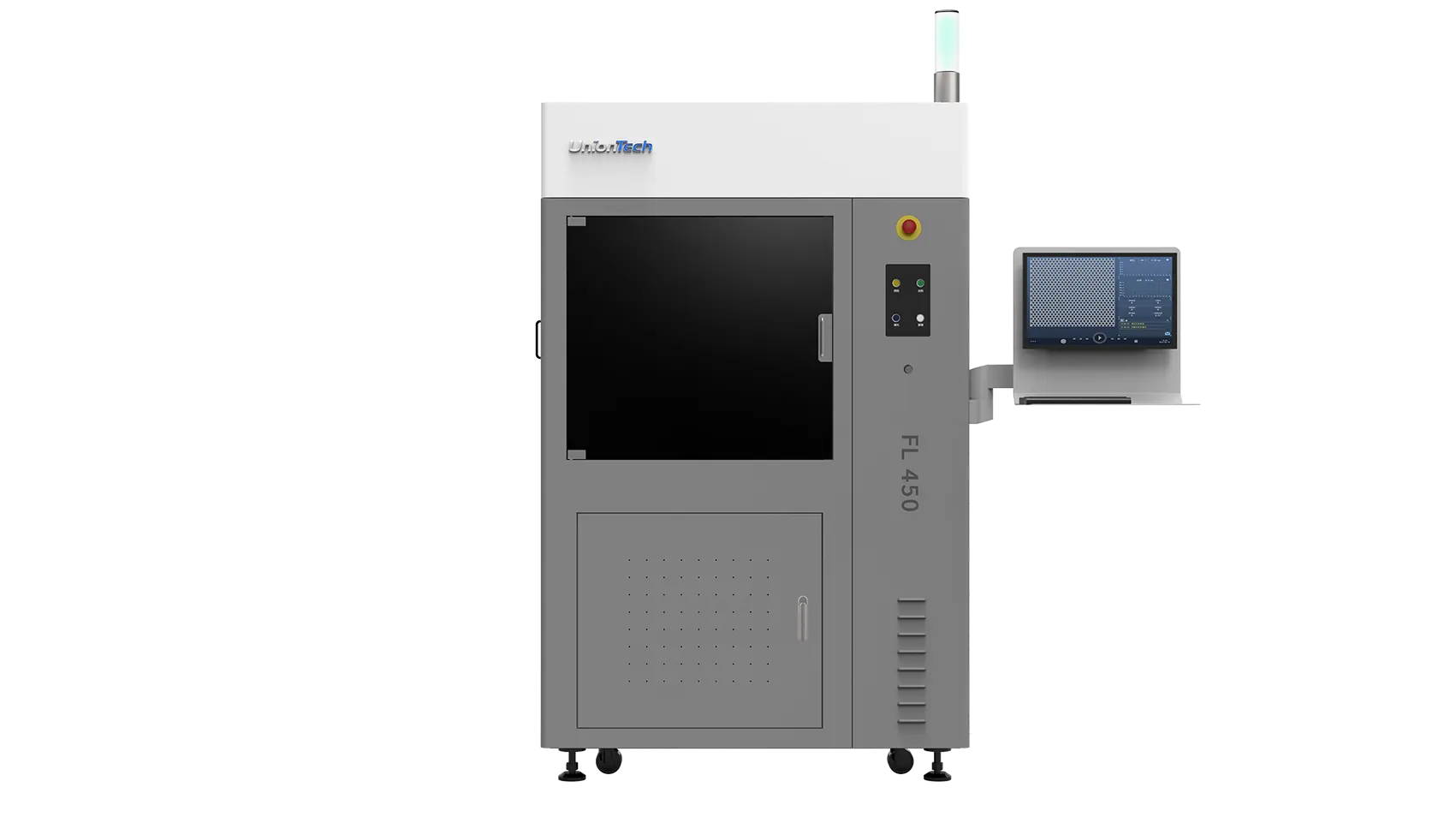
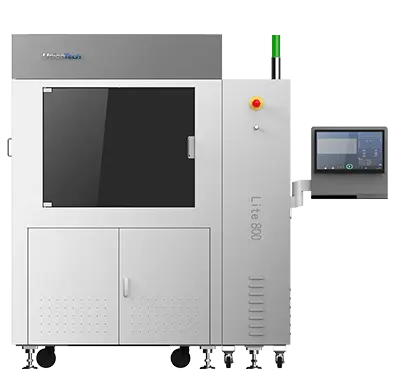
As a market leader, UnionTech—an esteemed industrial 3D printer manufacturer—provides the large-format, high-precision Stereolithography (SLA) systems necessary to address the dimensional and aesthetic requirements of the wheel manufacturing process within the highly competitive 3D printing in automotive industry.
The Need for Large-Format Precision in Wheel Manufacturing
Traditional prototyping for wheels and their related components (like large brake calipers or tire molds) is slow, expensive, and inflexible. The sheer size of an automotive wheel (ranging from 16 to over 24 inches in diameter) demands 3D printers with substantial build envelopes.
UnionTech’s RSPro series, for example, models like the RSPro2100 have print sizes as large as 2100 × 700 × 800 mm. This size, combined with the signature precision of SLA (e.g., ±0.20 mm dimensional accuracy for sizes smaller than 100 mm), makes it an ideal technology for these demanding large-format applications.The applications of SLA printing technology in this sector fall into three primary categories:
High-Fidelity Wheel and Caliper Prototyping
In the design phase, engineers and designers need to rapidly validate the form, fit, and aesthetic of a wheel design before committing to expensive tooling or casting.
Aesthetic and Concept Models: SLA printing technology is unmatched in its ability to produce parts with an ultra-smooth surface finish and fine feature detail. This is essential for showcasing intricate spoke designs, engraving, and branding logos on wheel models. Designers use these models to check reflections, lines, and shadows under various lighting conditions, which is impossible to do accurately with FDM-printed parts.
Fit and Clearance Validation: Wheels must fit precisely with brake systems, suspension components, and wheel wells. Using large-format SLA printers from an industrial 3D printer manufacturer like UnionTech, design teams can print full-or near-full-scale prototype rims and brake calipers. This allows engineers to conduct rapid “form and fit” testing to ensure the complex geometry of the wheel clears all critical vehicle components, significantly reducing the risk of costly last-minute design changes.
Scale Display Models: For trade shows, marketing, and showroom displays, high-detail scale models of concept wheels are frequently created. SLA provides the accuracy and polish needed for these presentation-grade parts, faithfully reproducing the complexity of the wheel design.
Revolutionizing Tire and Tread Mold Development
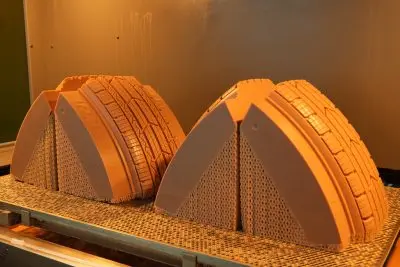
One of the most impactful applications of SLA printing technology in the wheel assembly process is in the manufacturing of tire molds. Creating the complex, patterned tread of a tire is a traditional manufacturing bottleneck, but 3D printing offers a dramatic acceleration.
Tread Master Patterns: Tire manufacturers use industrial SLA systems to print highly detailed, large-format master patterns of the tire tread segments. These patterns are then used in the process of creating the final mold for vulcanization. The precision and smooth surface finish of SLA parts are critical here, as any imperfection in the master pattern will be directly transferred to the final, expensive tire mold.
Complex Tread Patterns: Modern tire design, especially for performance or specialized vehicles, involves intricate sipes, grooves, and complex geometries. SLA printing technology handles these fine details effortlessly, enabling the rapid testing of new tread designs for aerodynamics, grip, and noise reduction—a key benefit of 3D printing in automotive industry.
Cost and Time Reduction: By printing these master patterns directly, manufacturers eliminate multiple steps and weeks of lead time associated with traditional CNC machining of the tread segments, resulting in substantial cost savings.
Jigs, Fixtures, and Tooling for Wheel Assembly
Beyond the wheel component itself, SLA is used to create highly accurate manufacturing aids for the assembly line.
Casting and Molding Patterns: While the final metal wheel is typically cast or forged, SLA printing technology is used to create master patterns for various casting processes (e.g., investment casting patterns for specialized wheel components or lug nuts). The high accuracy of UnionTech’s machines ensures the pattern is dimensionally precise, leading to reliable, high-quality final metal parts.
Assembly and Inspection Jigs: Wheels, especially custom or high-performance ones, often require specialized jigs and fixtures to hold them securely during painting, finishing, or quality inspection. SLA-printed tools, often utilizing high-stiffness resins, can be quickly produced with the required dimensional fidelity to guarantee the correct alignment and positioning of the wheel during downstream processes.
Conclusion
The use of SLA printing technology in automotive wheel manufacturing proves that additive manufacturing has moved far beyond simple prototyping. For the 3D printing in automotive industry, this technology is an indispensable tool for accelerating design cycles and optimizing manufacturing efficiency.
As a dedicated industrial 3D printer manufacturer, UnionTech provides the necessary large-format, high-precision equipment to tackle components as large and critical as the wheel. By leveraging SLA for high-fidelity concept models, precise tire tread master patterns, and accurate tooling, automotive engineers can significantly reduce time-to-market, improve final part quality, and drive innovation in a highly competitive market.