The global manufacturing landscape is undergoing a profound transformation, driven by the dual pressures of market demand for customization and the urgent need for environmental responsibility. At the heart of this shift lies 3D printing, also known as Additive Manufacturing (AM). Far from being a niche technology, AM offers a comprehensive and compelling solution for businesses aiming to meet ambitious sustainability targets. This digital-first approach to production is fundamentally reshaping everything from supply chains to material consumption, positioning leading companies like UnionTech as key players in a greener industrial revolution.
The UnionTech Advantage: A B2B Focus on Industrial-Grade AM
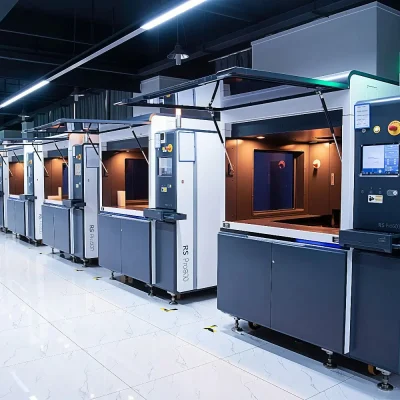
UnionTech is a pioneering industrial 3D printer manufacturer, specializing in high-performance Stereolithography (SLA), Digital Light Processing (DLP), and Selective Laser Melting (SLM) technologies. The company’s core business model is B2B (Business to Business), focusing on serving large-scale Original Design/Equipment Manufacturers (ODMs/OEMs), vehicle manufacturers, molding and tooling service providers, and suppliers requiring consistent, industrial-grade quality and 24-hour operation.
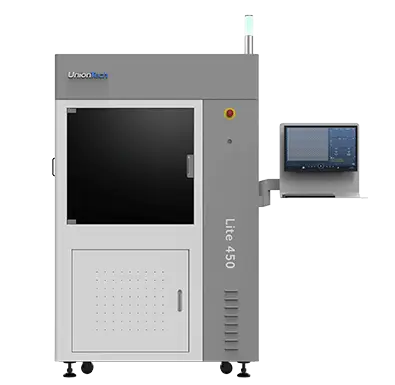
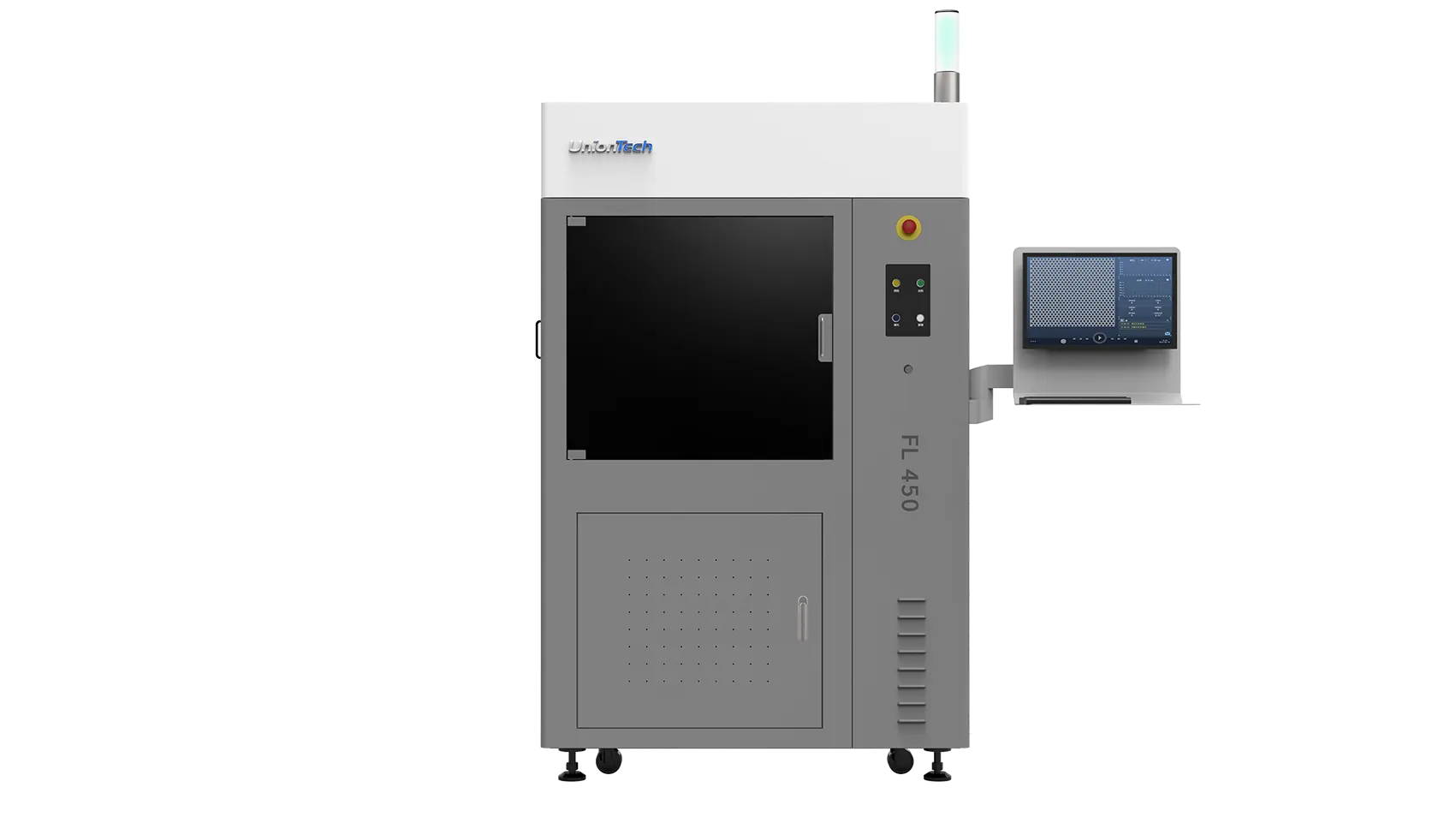
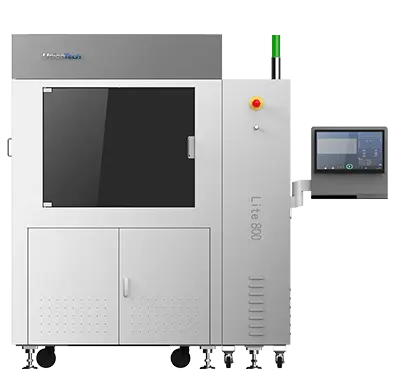
UnionTech’s product portfolio, which includes the advanced RSPro Series and the professional-grade Pilot and Lite lines, is engineered to provide not just high precision and excellent surface aesthetics, but also high material utilization—a direct sustainability benefit. Their commitment to innovation and accuracy is what allows demanding sectors, particularly the automotive industry, to leverage AM for transformative sustainable practices.
Redefining Efficiency: Latest 3D Printing Technology and Waste Reduction
The most compelling argument for 3D printing from a sustainability standpoint is its inherent efficiency. Traditional manufacturing is largely subtractive, meaning a part is carved out of a larger block of material, often resulting in high scrap rates (up to 80% waste in some precision machining).
The latest 3D printing technology, by contrast, is additive—it builds objects layer by layer, depositing only the material necessary to create the final geometry. This dramatically reduces material consumption and waste generation.
The sustainable advantages are significant and include:
Minimizing Material Scrap: In polymer and metal AM, unfused powders and resins can often be sieved and recycled back into the next build, creating a near-zero waste process loop for the raw feedstock.
Light weighting and Structural Optimization: AM enables the creation of complex, organic, and lattice structures that are impossible with conventional methods. These parts can be engineered to maintain strength while using significantly less material, leading directly to lighter end products—a major sustainability win in vehicles and aerospace.
On-Demand Production: The digital nature of 3D printing facilitates an on-demand manufacturing model. Products and spare parts can be printed locally, only when needed, eliminating the environmental cost of overstocking, warehousing, and eventual disposal of unsold inventory.
The Sustainable Edge of 3D Printing in Automotive Industry
The automotive sector is under intense pressure to reduce vehicle weight, improve fuel efficiency (or battery range for EVs), and accelerate the prototyping process for next-generation designs. 3D printing in automotive industry applications directly addresses these challenges, offering a pathway to a more sustainable and agile production cycle.
UnionTech’s SLA and DLP technologies, for example, are crucial in automotive applications such as:
Rapid Prototyping: Accelerating the validation of concept car models, interior/exterior components, and assembly fits. This shortens the development cycle, reducing the resources and materials consumed during the R&D phase.
Custom Tooling and Jigs: Creating lightweight, ergonomic, and application-specific tools, jigs, and fixtures for the assembly line. These tools often use less material than their conventionally machined counterparts and are faster to replace or customize.
End-Use Parts: Moving beyond prototypes to produce actual functional components, like customized internal air ducts, complex cooling channels, or personalized vehicle trim and accessories.
Product Spotlight: Automotive Component Production
For highly demanding applications, UnionTech’s light-curing technology provides solutions for parts requiring high precision and superior surface quality. A notable application is the production of car lights, where their specialized transparent 3D printing materials precisely meet the high transparency standards, rivaling PMMA materials after postprocessing. This allows manufacturers to quickly test and iterate on lighting designs, a critical part of vehicle aesthetics and safety, using a digital, waste-minimizing process.
The Decarbonization Effect: Localized and Digital Supply Chains
Beyond material efficiency, the shift to additive manufacturing offers a powerful route to decarbonization by impacting the supply chain.
By relying on digital design files, UnionTech and other industrial 3D printer manufacturer enable a highly distributed manufacturing model. Instead of relying on centralized factories and lengthy global shipping routes for parts, components can be printed locally—often at the point of final assembly or consumption. This localization:
The continuous innovation in materials, including new bio-based resins and those made from recycled content, alongside the speed and precision of the latest 3D printing technology, ensures that AM remains a leading force in sustainable manufacturing.
Conclusion
The future of manufacturing must be sustainable, and 3D printing technologies, spearheaded by industrial pioneers like UnionTech, are providing the crucial tools to make this vision a reality. By offering B2B customers high-performance, industrial-grade AM solutions, the company empowers sectors like the 3D printing in automotive industry to dramatically cut waste, optimize design for efficiency, and establish resilient, decentralized supply chains.
The long-term global sustainability perspective on 3D printing technologies is overwhelmingly positive. From the inherent material efficiency of the additive process to the latest advancements in digital detection systems and sustainable feedstocks, 3D printing is not just an alternative method—it is the blueprint for manufacturing in the net-zero era. Investing in advanced systems from a trusted industrial 3d printer manufacturer is an investment in both production efficiency and a greener planet.