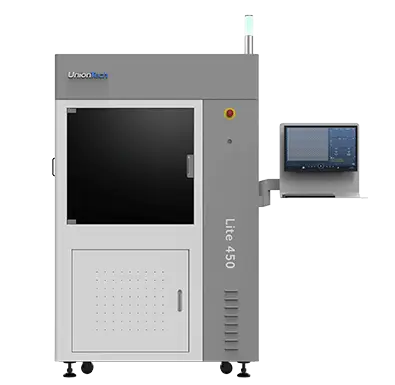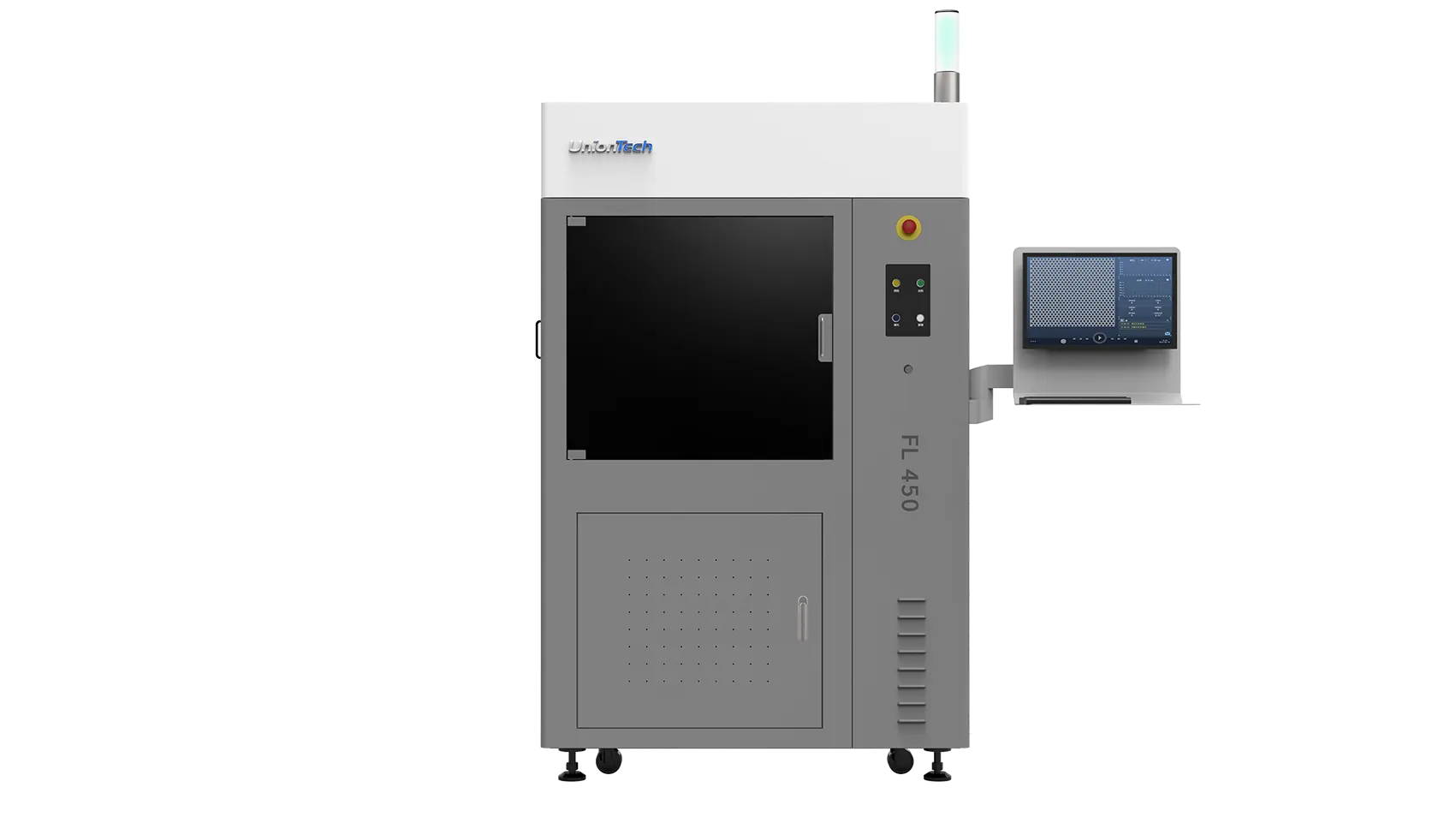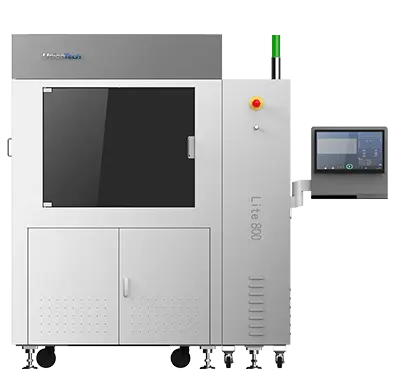
3D printing has revolutionized the manufacturing world, offering vast opportunities for prototyping and functional parts creation. One crucial element in this technology is the choice of materials, especially when flexibility and durability are key requirements. In this article, we explore flexible 3D printing material options, focusing on UnionTech’s resin materials, known for their outstanding performance and versatility.
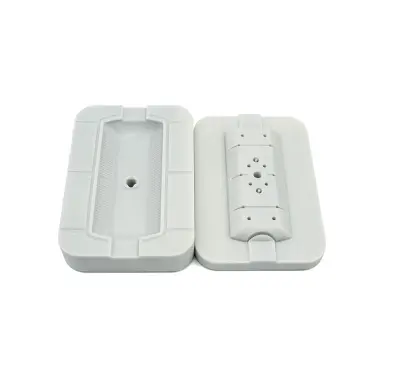
Understanding Resin Materials in 3D Printing
Resin materials are essential in many 3D printing applications. Unlike traditional filament-based printing, resin printing—particularly SLA (Stereolithography)—provides higher precision and smooth surface quality. These materials are typically used for applications requiring fine detail and complex geometries. With UnionTech’s resin offerings, users can achieve high accuracy and resolution, ideal for functional prototypes, jewelry, or engineering applications.
Resins like Ultra RC70 stand out for their ability to mimic the properties of ABS (Acrylonitrile Butadiene Styrene), a widely used thermoplastic known for its toughness and heat resistance. For users looking for durability in 3D printed parts, the material’s high tensile strength, impact resistance, and thermal deformation temperature make it a reliable choice.
The Role of Flexible 3D Printing Material
Flexible 3D printing materials are a step beyond traditional rigid resins, offering greater elasticity and durability in parts that need to bend or stretch. These materials are often used in applications such as wearable devices, gaskets, and other components that experience stress or movement during use. UnionTech’s flexible resins are formulated to deliver just the right amount of flexibility without compromising the structural integrity needed for everyday use.
Flexible resins used in 3D printing are designed to maintain their shape even after being bent or compressed, making them ideal for functional parts that require deformation without breaking. They are widely applicable in both prototyping and end-use parts, making them an attractive choice for industries like automotive, medical, and consumer products.
Why UnionTech’s Resin Materials Are a Solid Choice
At UnionTech, we understand the critical nature of material selection in 3D printing. Our resin materials are designed to meet the highest standards for flexibility and performance. For example, Ultra RC70 offers properties similar to ABS but with the added advantage of being more adaptable to different use cases. Whether you are looking to print highly detailed models or parts with flexible characteristics, UnionTech has a resin that can meet your needs.
By focusing on 3D printing materials that offer both strength and flexibility, UnionTech provides solutions for industries requiring dependable, long-lasting parts that can perform under diverse conditions.
Conclusion
Choosing the right 3D printing material can significantly impact the performance and longevity of your parts. UnionTech’s resin materials offer a balanced mix of flexibility and durability, making them an excellent choice for both prototyping and end-use applications. When searching for reliable and flexible 3D printing materials, consider the advantages of UnionTech products, designed to support your unique manufacturing needs with precision and reliability.