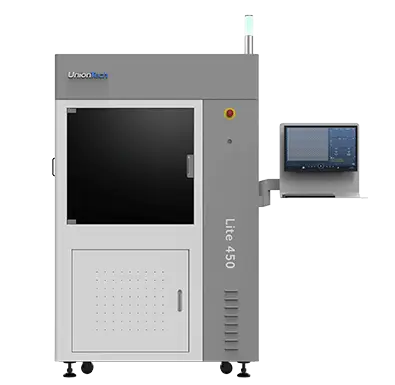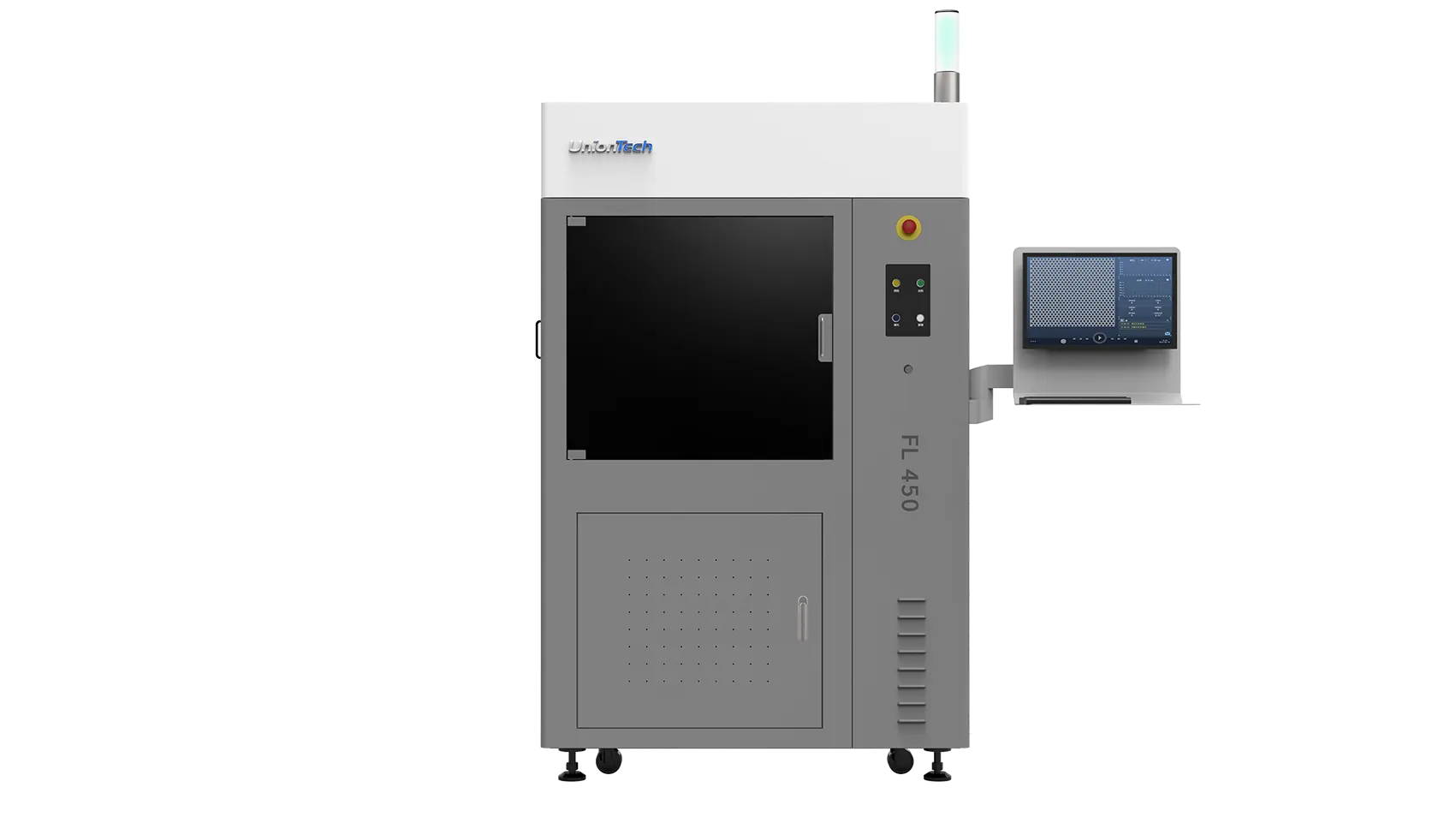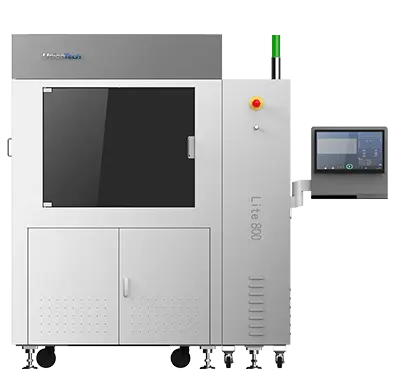
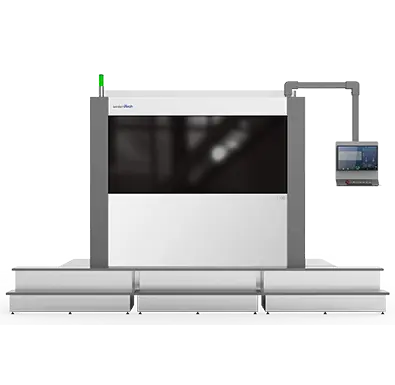
3D printing has revolutionized manufacturing, enabling faster prototyping and mass production of parts. When it comes to precision and surface finish, large SLA 3D printers like the UnionTech RSPro2100 stand out in the industry. However, achieving the best results with these machines requires effective post-processing. In this article, we’ll discuss the necessary post-processing steps that help you achieve the desired quality and functionality of your 3D prints.
Removing Support Structures
One of the first steps in post-processing large industrial 3D printer parts, especially those produced using SLA technology, is the removal of support structures. These supports are essential during the printing process, as they provide stability to the model. However, they need to be carefully removed after printing. The RSPro2100 uses a laser-based additive manufacturing system, and the parts produced can sometimes have delicate areas that require precision when removing supports. A clean, smooth finish is necessary for parts that will be used in industrial applications or further assembly.
Cleaning the Printed Parts
Once the supports are removed, the next critical post-processing step for large SLA 3D printer prints is cleaning. The resin material used in SLA 3D printing often has excess liquid on the surface after printing. To ensure the final part is clean and ready for use, the object should be submerged in a solvent like isopropyl alcohol (IPA) to remove any residual resin. This process enhances the overall finish of the part and ensures it is fully cured and free from any sticky residues that could affect performance. The UnionTech RSPro2100, with its large-scale build capacity, often requires cleaning of large parts, so it’s important to have a proper setup for the cleaning process.
Curing the Print for Enhanced Strength
Curing is the final and crucial step in the post-processing of SLA 3D printed parts. UnionTech’s RSPro2100 provides excellent dimensional accuracy, but the prints still require UV light exposure to complete the polymerization process. This step solidifies the resin, increasing the strength and durability of the part. The parts should be cured in a UV chamber for a specified time based on the resin material used. Proper curing ensures that the large industrial 3D printer parts are not only strong but also stable over time, even under various environmental conditions.
Conclusion
Post-processing plays a vital role in maximizing the quality of large SLA 3D printer parts produced by UnionTech. Removing supports, cleaning the parts, and curing them are essential steps that can make a significant difference in the final product’s performance. By paying attention to these processes, users can ensure that the prints meet both functional and aesthetic requirements. With advanced large industrial 3D printers like the RSPro2100, achieving precision and high-quality results is entirely within reach.