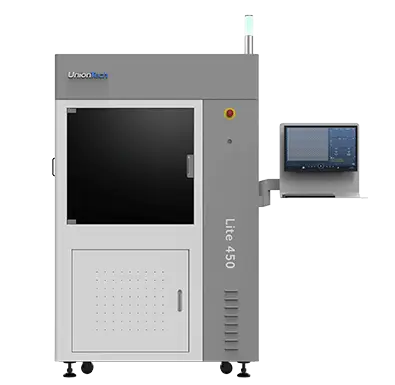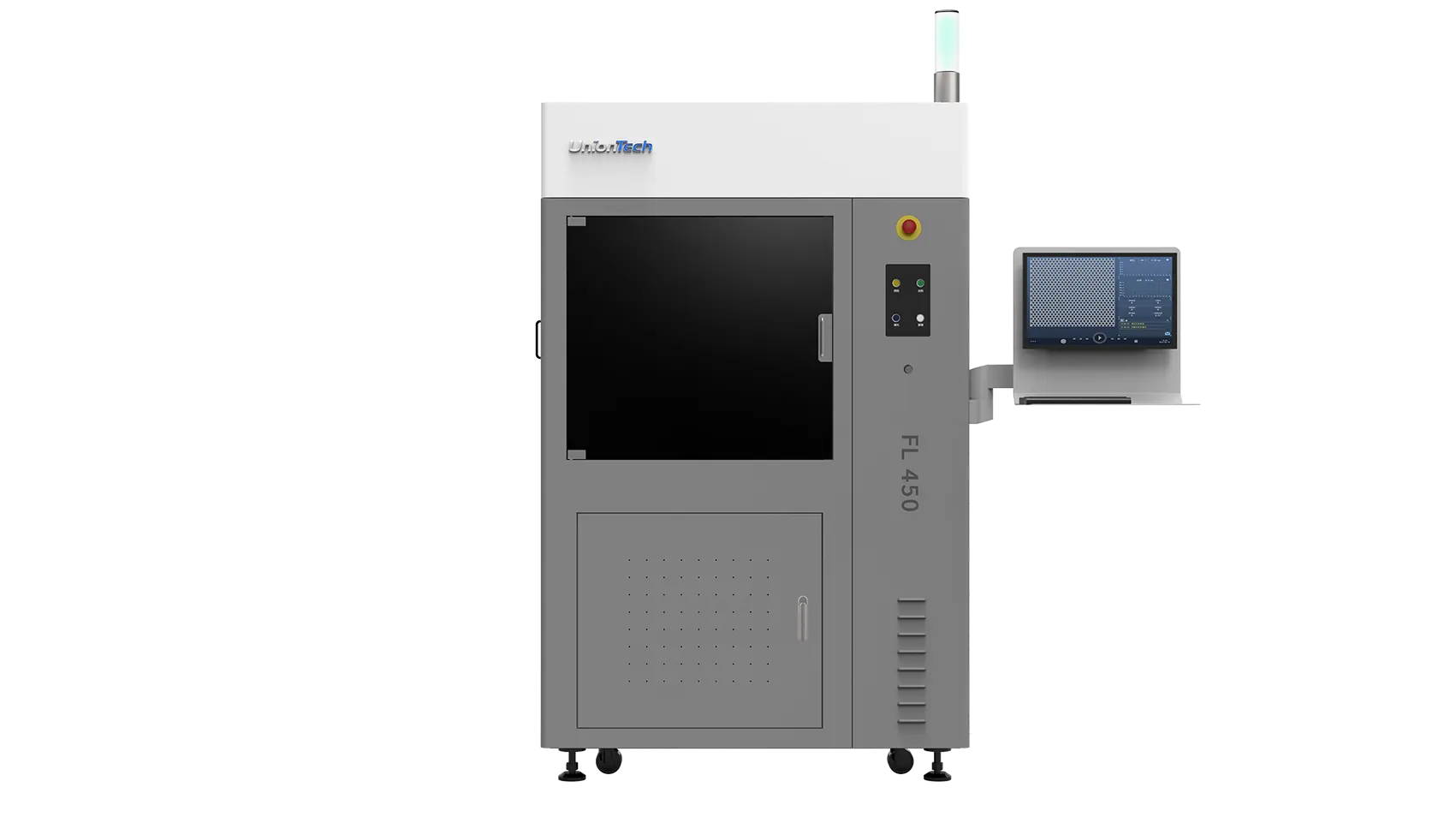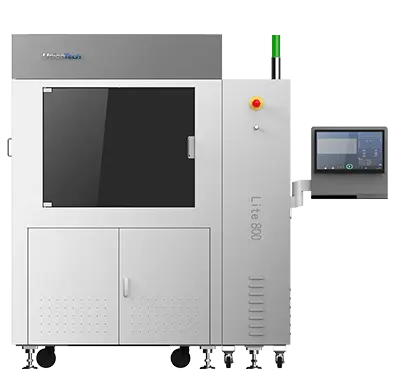
For manufacturers considering the transition to additive manufacturing, the longevity and return on investment (ROI) of the equipment are critical factors. While a consumer-grade 3D printer might last a few years, an industrial SLA 3D printer—a complex, high-precision piece of capital equipment—is designed for far greater durability. Its lifespan is less about a fixed timeline and more about component quality, rigorous maintenance, and the manufacturer’s commitment to service. Reputable companies, like UnionTech, treat their printers as long-term production assets capable of running for many years, often exceeding 10,000 hours of operation when properly cared for.
The Core Determinants of 3D Printer Longevity
The question of a 3D printer’s lifespan cannot be answered with a simple number.Instead, it is determined by a combination of foundational quality and operational rigor. Understanding these factors is key to maximizing the asset’s utility.
The first and most critical factor is the quality of the machine’s construction. Industrial 3D printers for industrial use are fundamentally different from hobbyist machines. They feature robust, often metal, frames, high-grade linear motion components (like precise linear guides and lead screws), and industrial-rated electronics.
In Stereolithography (SLA) technology, which UnionTech specializes in (as seen with their range of RSPro and Pilot machines), the lifespan hinges heavily on the performance of the core optical system. The laser, galvo mirrors, and power supply are high-value, sensitive components designed for precision and longevity, but they are subject to wear. A manufacturer’s choice of components directly determines the printer’s Mean Time Between Failures (MTBF) and its overall usable life. Investing in a system from a trusted industrial SLA 3D printer supplier ensures the foundation is built for production-grade reliability.
The calendar age of an industrial printer (e.g., five years) is less important than its total operating time, or “run hours.” A machine running 24/7 will experience wear faster than one used only intermittently. However, industrial machines are explicitly engineered for high utilization.
For example, a machine from an experienced industrial 3d printer manufacturer might have an expected life cycle for its main electronic or motor components measured in tens of thousands of hours. Continuous, heavy use requires proactive maintenance, but the high-quality parts are designed to withstand the stress. A well-maintained UnionTech system can accumulate thousands of hours of print time without major systemic failure, making consistent operation viable for businesses focused on serial production or high-volume service bureaus.
The Essential Role of Proactive Maintenance
Maintenance is the single most important variable in extending the lifespan of any piece of capital equipment. For industrial 3D printers for industrial use, following a structured maintenance schedule can differentiate a machine that lasts five years from one that runs reliably for well over a decade.
Key Maintenance Areas for SLA Systems:
Optical Path Cleaning: The laser and mirror surfaces must be kept immaculate. Dust or resin residue can scatter the laser, reducing print quality and efficiency, and potentially damaging the components over time. Regular cleaning with specialized solutions is mandatory.
Mechanical Lubrication: Moving parts, particularly the gantry and elevator mechanisms that control the build platform, require routine lubrication to minimize friction and prevent wear. Skipping this step leads to accelerated degradation of linear bearings and guide rails.
Component Replacement: Certain parts are consumables or semi-consumables designed to be replaced on schedule, not when they fail. This includes the resin vat (which can degrade from repeated laser exposure or cleaning), filters, and potentially light source elements. A proactive replacement strategy is integral to maintaining the machine’s original print accuracy.
Resin Management: Proper handling and temperature control of the photopolymer resin are crucial. Contaminated or improperly stored resin can damage the vat, increase cleaning cycles, and cause print failures, ultimately adding stress and unnecessary wear to the machine’s components.
UnionTech’s Commitment to Service and Longevity
Choosing an industrial 3D printer manufacturer like UnionTech offers an advantage in maximizing a printer’s lifespan through dedicated support. The robust design of their Stereolithography (SLA) printers, such as the RSPro series, which features granite platforms for vibration dampening and stability, inherently ensures a longer mechanical life.
Beyond the hardware, their focus on providing comprehensive training, maintenance programs, and quick access to replacement parts is key. For a company running an industrial SLA 3D printer as a continuous production tool, downtime is costly. A strong manufacturer relationship, guaranteeing fast service and the availability of proprietary components like lasers or optical modules, minimizes this risk and ensures the machine can remain productive long after its purchase date.
The ultimate longevity of an industrial printer is a shared responsibility. The manufacturer provides the durable machine, and the user must provide the rigorous care and attention it demands.
Conclusion
The effective lifespan of an industrial 3D printer is not a predetermined figure but a function of its industrial 3D printer manufacturer, its initial build quality, and the subsequent operational and maintenance practices. While an industry average lifespan might be quoted in years, for high-end industrial 3D printers for industrial use—specifically the robust industrial SLA 3D printer systems provided by UnionTech—the equipment’s useful life can easily be extended far beyond typical expectations. By prioritizing a structured, proactive maintenance schedule, ensuring the continuous optimization of the system’s environment, and leveraging the support of a specialized industrial 3d printer manufacturer, businesses can ensure their 3D printing assets remain high-performing, reliable pillars of their manufacturing operations for years to come.