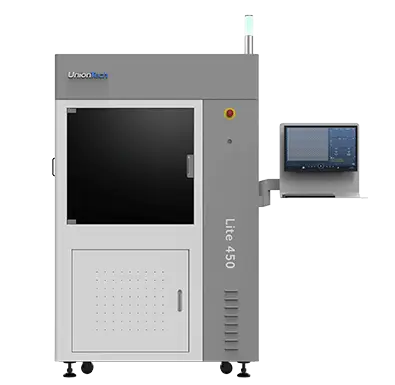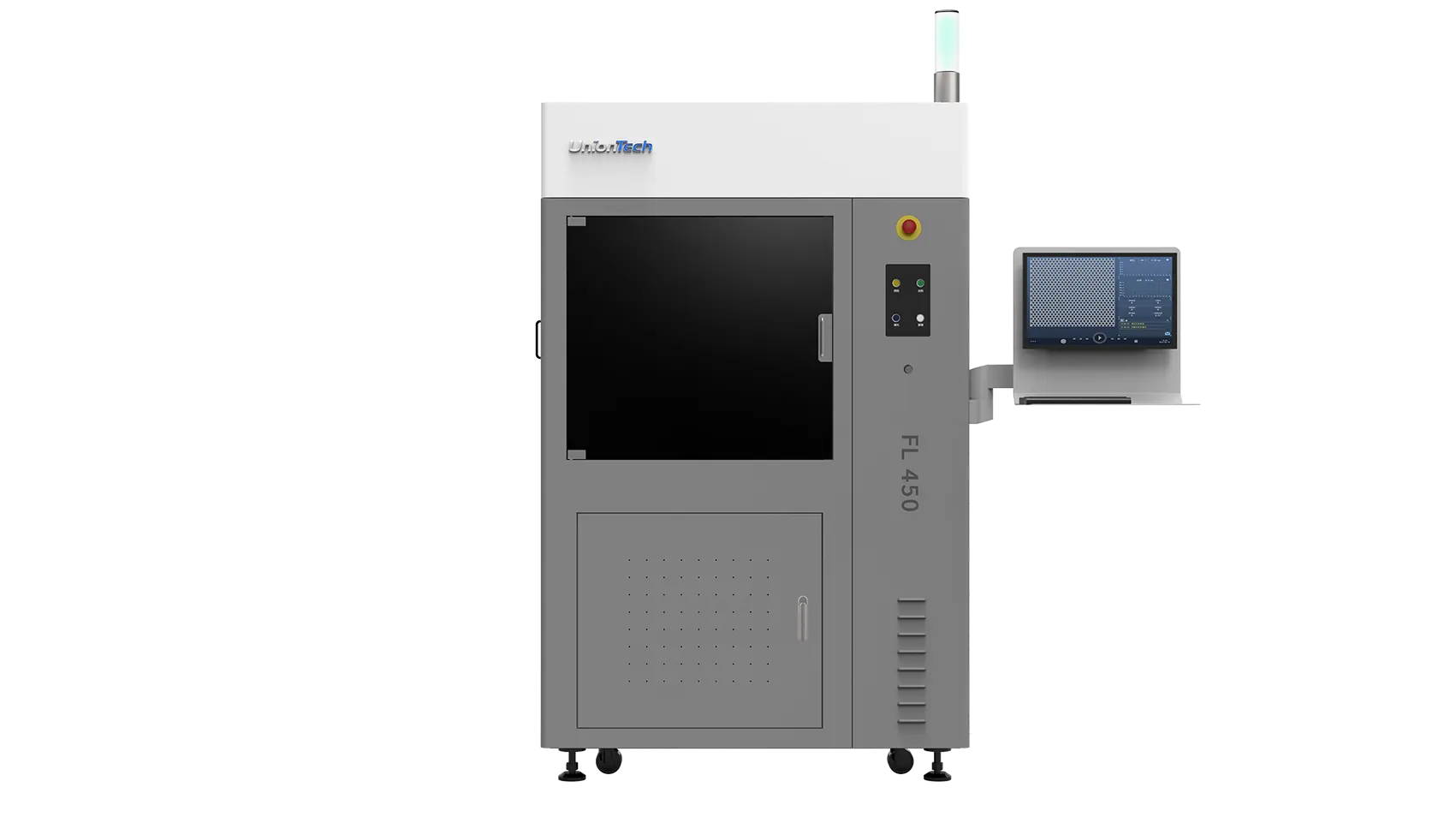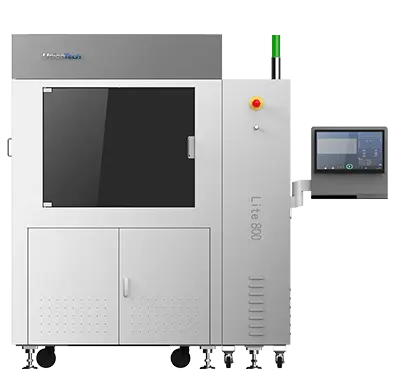
In the world of 3D printing, there are many materials and technologies available to meet different needs, but PLA and SLA are among the most commonly discussed. These two types of 3D printing technologies offer unique advantages depending on the application, and understanding the differences between them can help manufacturers and designers make informed decisions. At UnionTech, we work with advanced technologies like the SLA 3D printing machine to deliver high-quality results for industrial-scale production.
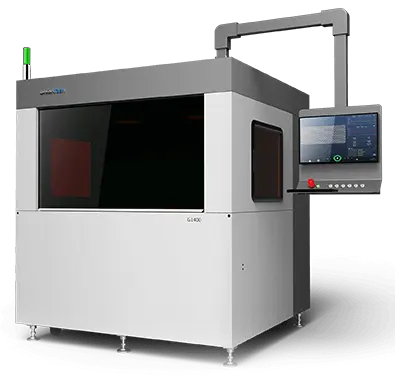
PLA: The Popular Choice for Simplicity and Cost
PLA (Polylactic Acid) is one of the most widely used materials in 3D printing due to its ease of use and environmental friendliness. It’s a thermoplastic made from renewable resources like cornstarch or sugarcane. For users of industrial 3D printers, PLA is often chosen for its simplicity. Its low melting point and relatively fast print speed make it ideal for creating prototypes or small-scale parts. PLA works well with FDM printers, but when you scale up, the material may not provide the same high level of detail and durability required in more advanced applications.
However, SLA (stereolithography) printing systems, such as those from UnionTech, provide a distinct advantage for users requiring precision and high-quality finishes. SLA printers use a laser to cure liquid resin layer by layer, offering incredibly smooth surfaces and more intricate details that PLA cannot match.
SLA: High-Resolution Precision for Complex Parts
The key distinction between PLA and SLA lies in the technology and the level of detail achievable with each. With SLA 3D printing machines, like the RSPro1400, you can produce parts with exceptional accuracy, especially when it comes to intricate features and complex geometries. The RSPro1400 offers a build volume of 1400 × 700 × 500 mm, which is ideal for large-scale industrial applications. Unlike PLA, which is best suited for simpler models, SLA can handle highly detailed and refined parts, which is crucial for industries like aerospace, automotive, and healthcare.
What makes the RSPro1400 stand out is its dual-laser scanning system, which boosts efficiency and precision. The SLA technology’s ability to handle intricate detailing at a high resolution ensures that manufacturers can produce parts that meet specific performance and aesthetic standards. In contrast, PLA prints tend to lack the fine finish that some industrial designs require.
Strength and Durability: How SLA Outperforms PLA in Industrial Applications
Another important consideration when choosing between PLA and SLA is the material’s durability. While PLA is biodegradable and has a lower tensile strength, making it ideal for prototype and display models, SLA parts are more durable and functional. The resin used in SLA 3D printing machines can be engineered to offer various material properties, such as flexibility, impact resistance, or high heat tolerance, which makes SLA better suited for creating end-use parts.
At UnionTech, we understand that SLA technology’s ability to create stronger, longer-lasting components is key in meeting the demands of high-performance industries. Our RSPro1400 machine is designed to deliver precise parts with high mechanical properties, ready for industrial-scale manufacturing. This gives our clients a competitive edge, as they can rely on durable, precise products straight from the printer.
Conclusion
Ultimately, both PLA and SLA have their places in the world of 3D printing. For projects that prioritize ease of use, low cost, and speed, PLA is an excellent choice. However, for industries that require high precision, intricate details, and durable parts, SLA stands out as the superior technology. At UnionTech, we provide high-quality SLA 3D printing machines like the RSPro1400, ensuring that our clients can meet their manufacturing goals with precision and efficiency.