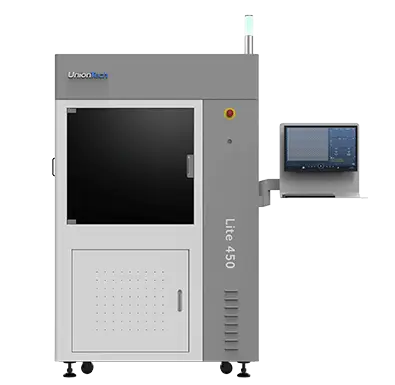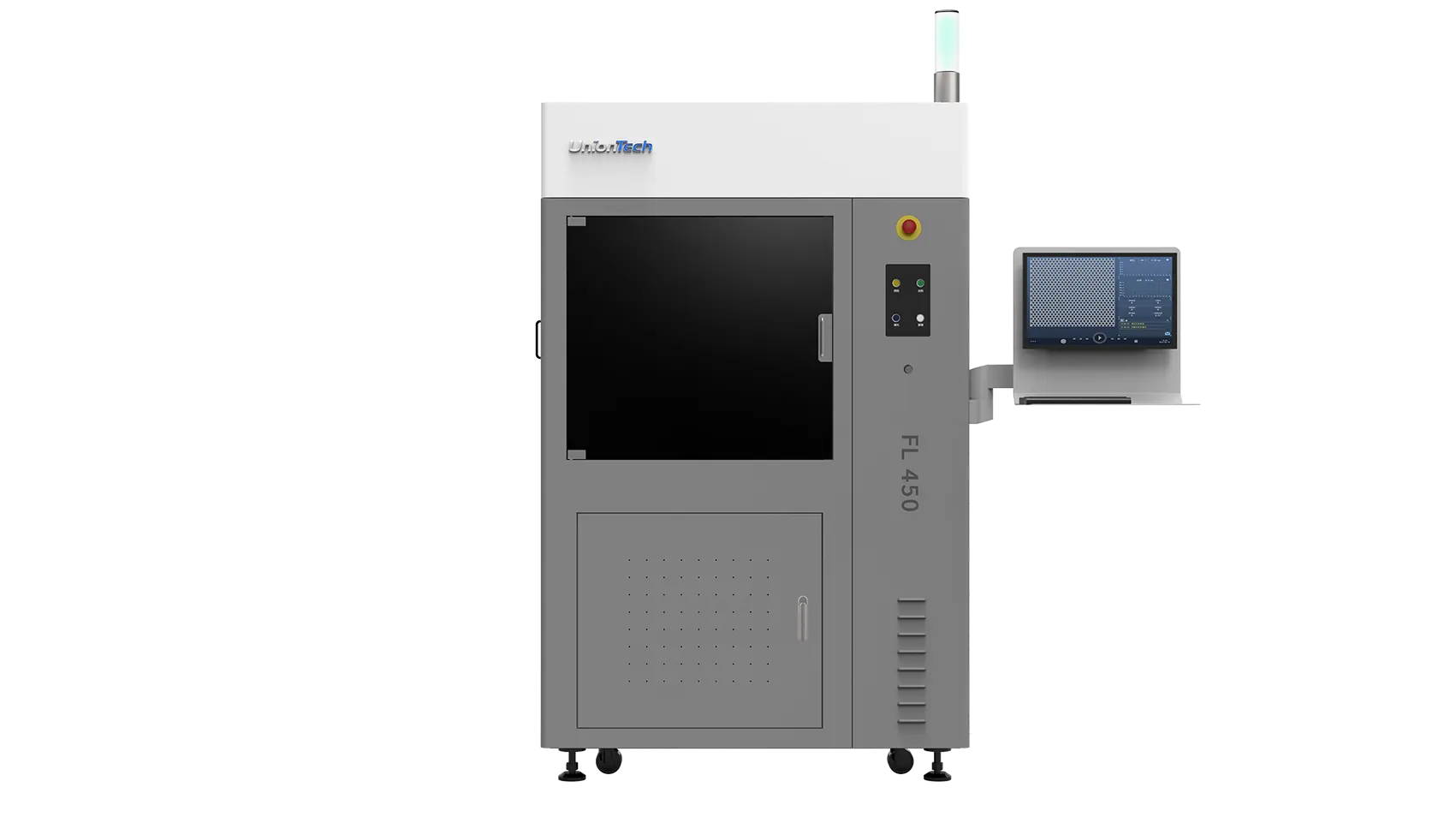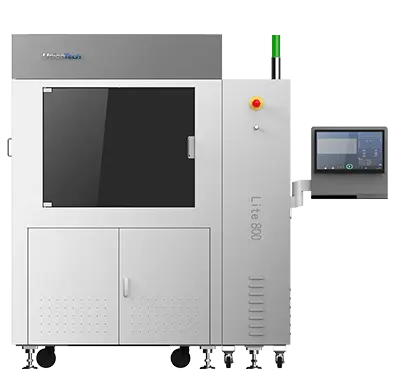
3D printing has revolutionized many industries, including the automotive sector. From creating intricate internal components to enhancing car customization, 3D printing in the automotive industry has proven to be a game-changer. But can it go as far as printing entire car body parts? In this article, we’ll dive into the feasibility of 3D printed car parts and how companies like UnionTech are paving the way for such innovations.
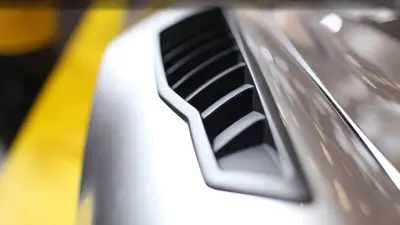
The Emergence of 3D Printing in Car Manufacturing
Over the last few years, 3D printing has gained significant traction in the automotive world. At UnionTech, we’ve been developing and refining 3D printing techniques specifically tailored to meet the unique needs of car manufacturers. 3D printed car parts offer incredible flexibility in design and production, allowing for rapid prototyping and cost-effective small-batch production. The ability to create lightweight, durable, and intricately designed components has opened up numerous possibilities for both mass production and custom car modifications.
While 3D printing has long been used for smaller components, the potential for printing larger parts—such as body panels—is becoming increasingly viable. We’ve seen progress in 3D printing technologies that allow us to print parts with the desired strength and durability required for exterior automotive use. However, there are still challenges in ensuring that these parts can withstand the harsh conditions of the road.
The Challenges of Printing Car Body Parts
While it’s exciting to think about the possibility of printing entire car body parts, there are still significant hurdles to overcome. One of the primary concerns is the material strength and finish required for body parts. Car body panels need to withstand weather conditions, impacts, and regular wear and tear. UnionTech is constantly working on improving the materials used for 3D printed car parts, such as high-strength thermoplastics and composites, to ensure they meet automotive industry standards.
Another challenge is the scale. While 3D printing in the automotive industry has been successful for smaller parts, scaling up to larger body components requires adjustments in both the printing process and materials. The large size of car body parts also introduces complications in terms of print time and cost efficiency. UnionTech is developing ways to overcome these challenges, focusing on both improving print speed and reducing material waste.
Potential Benefits of 3D Printing for Car Body Parts
Despite the challenges, there are several key benefits to 3D printing car body parts. Customization is one of the most significant advantages. With traditional manufacturing methods, creating custom body parts can be time-consuming and expensive. 3D printed car parts, on the other hand, allow for a level of personalization that would be difficult to achieve with conventional methods. Whether it’s a custom design or a unique shape, 3D printing allows car enthusiasts to truly make their vehicles one-of-a-kind.
Additionally, 3D printing in the automotive industry could result in lighter, more fuel-efficient vehicles. By using 3D printed car parts, manufacturers can produce lighter components without compromising strength, leading to improvements in fuel efficiency and overall vehicle performance.
Conclusion
The potential for 3D printed car parts is undeniable, and the possibility of printing entire car bodies is within reach. While UnionTech is committed to overcoming the existing challenges, we are confident that 3D printing in the automotive industry will continue to shape the future of car manufacturing. As technology advances, we expect to see even more innovative applications of 3D printing, making car customization and mass production more efficient, sustainable, and exciting for both manufacturers and car enthusiasts alike.