Driven by the shift toward electric vehicles, the pace of vehicle model iteration has accelerated dramatically. You need to design more quickly and produce more efficiently to bring innovative models to market.
However, traditional automotive design and production are constrained by lengthy mold cycles, high mold costs, and limited flexibility. How to balance cost and efficiency? A shift is needed.
The solution is 3D printing for the automotive industry. Also known as additive manufacturing, it combines efficiency, exceptional design freedom, and flexible production capabilities, transforming the way automobiles are designed, manufactured, and supplied across the entire value chain. Read on to learn more.

Building objects layer by layer based on design drawings gives 3D printing unparalleled flexibility. In the automotive industry, it offers:
In the traditional R&D cycle, creating a prototype often meant waiting months for CNC machining or injection molding. Today, 3D printing in automotive manufacturing allows engineers to move from a CAD file to a physical part in a matter of hours. It helps:
• Printing multiple versions of parts in a single day for assembly or functional testing, enabling the rapid selection of the optimal solution.
• Directly printing final product components to test their mechanical and thermal properties, as well as compatibility with surrounding parts, thereby reducing the risk of errors in mass production.
• Creating customized assembly fixtures for production lines.
This speed enables design iterations within half a month, drastically reducing the “time-to-market” for new vehicle models.
Fuel efficiency and EV range are directly tied to vehicle weight. 3D printing car parts allows for the creation of lightweight designs:
• Organic, hollow, or lattice structures that maintain high structural integrity while using significantly less material. This is achieved by optimizing material distribution through the analysis of component stress conditions.
• 3D printing a single integrated component eliminates the weight of connectors, reduces assembly costs, and minimizes potential points of failure.
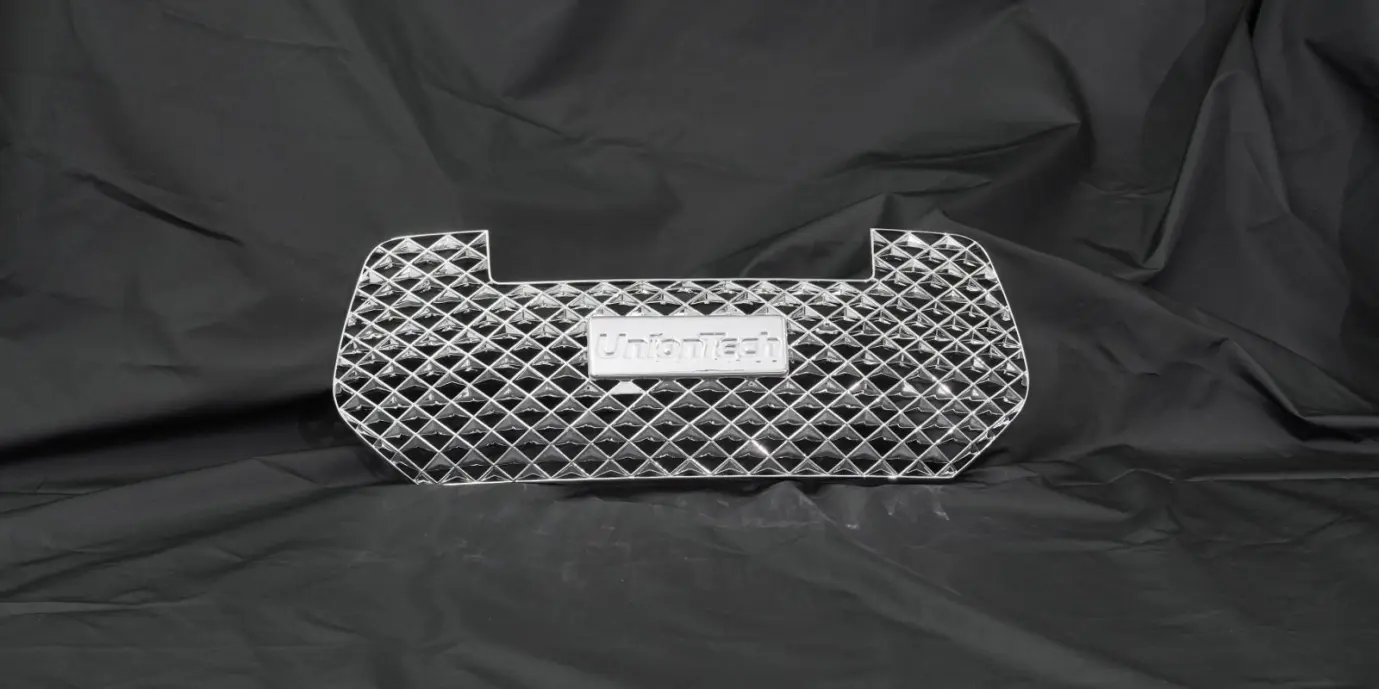
Traditional manufacturing is limited by molds and tool access. Conversely, 3D printing for automotive industry solutions can produce complex parts that were previously impossible.
• Manufacturing seat cushion zones with internal lattice structures, or fluid-handling systems and cooling channels featuring intricate designs.
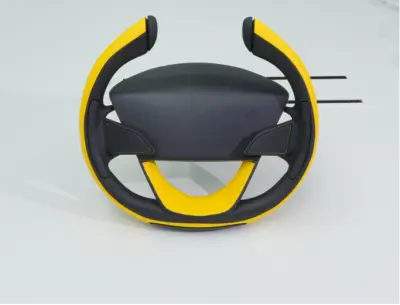
• Customizing steering wheel grips, instrument panel trims, and other components for high-end vehicle models.
Sustainability is another major driver behind 3D printing for automotive industry adoption. Additive manufacturing builds components layer by layer, using only the material required for the part itself. Compared with CNC machining, material waste is significantly reduced.
This environmentally friendly approach aligns with global trends toward the “green factory” initiative and supports long-term sustainability goals.
Instead of maintaining physical stocks of thousands of 3D printing vehicle parts that may be outdated later, manufacturers can now store digital CAD files. When a part is needed, it is printed on demand locally. This reduces global logistics costs and eliminates the capital tied up in slow-moving inventory.
Furthermore, for low-volume parts, 3D printing eliminates the need for mold investment, making small-batch production more economical.
Before a car ever hits the road, it exists as a series of concept models.
• Design Verification Prototypes:Used to inspect appearance, ergonomics, and conduct simple functional tests.
• Functional Prototypes:Printed using high-performance materials or metals to create components capable of bearing certain loads, withstanding heat, or possessing specific mechanical properties.
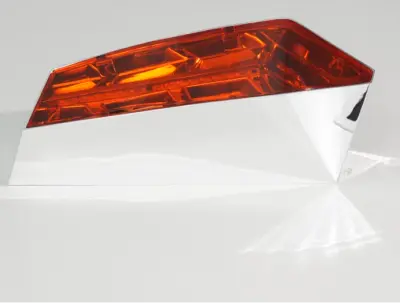
• Marketing Demonstrations:Rapid production of high-precision, full-color concept car models, interior components, etc., for auto shows, market research, or internal reviews.
Jigs, fixtures, and molds are indispensable tools in automotive manufacturing.
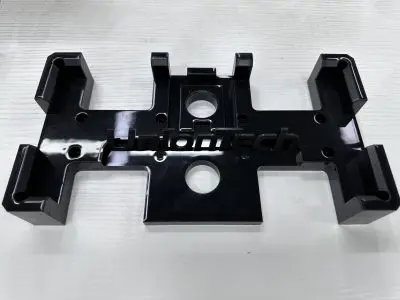
• Production Fixtures:Custom-fit assembly aids can be printed to match specific car body contours, improving worker ergonomics and assembly accuracy.
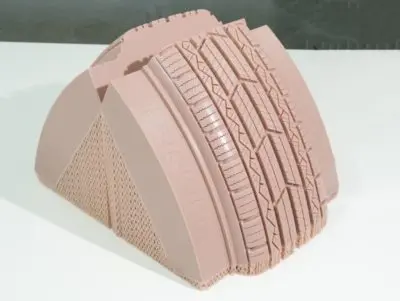
• Tire Molds:The intricate sipes and treads of modern tires are increasingly created using 3D-printed metal inserts, allowing for better grip and lower road noise.
• Investment Casting:SLA-printed patterns are used to create ceramic molds for high-precision engine components, bypassing the need for expensive tooling for low-volume production runs.
 |
 |
We are moving past the era where 3D printing was “just for toys.” Modern automotive 3D printing now produces functional, end-use parts.
• Brackets and Housings:Often hidden from view, these parts are optimized for weight and heat resistance.
• Custom Interiors:Luxury brands like BMW use 3D printing to offer personalized trim strips and indicator inlays tailored to the individual buyer’s preference.
• High-Performance Components:In racing cars, 3D-printed air ducts featuring high dissipation efficiency.
 |
 |
For the classic cars, 3D printing car parts is a lifesaver. When a manufacturer no longer supports a 30-year-old model, owners struggle to find replacement components.
By 3D scanning an old part (or even a broken one), engineers can recreate the component perfectly. This capability ensures that classic vehicles stay on the road without the need for mass-producing parts that have very low demand.
Among the many technologies (FDM, DLP, SLM), Stereolithography (SLA) remains the dominant choice for the automotive sector due to its unmatched surface quality and dimensional accuracy.
In the automotive world, size matters. Printing a full dashboard or a bumper requires a “Large Format” SLA printer. These machines use UV lasers to cure liquid resin into solid plastic with micron-level precision.
Large SLA printers provide the smooth surface finish required for wind tunnel testing and the large build envelopes necessary for 3D printing vehicle parts in one piece, avoiding the structural weaknesses of joined components.
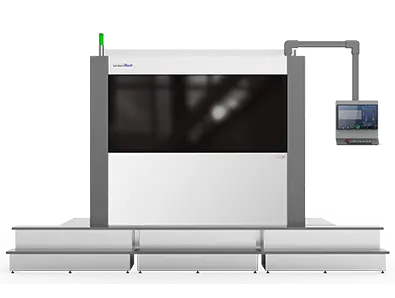
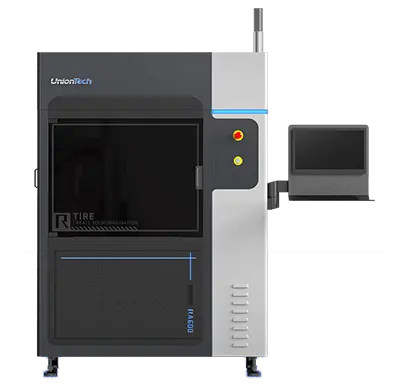
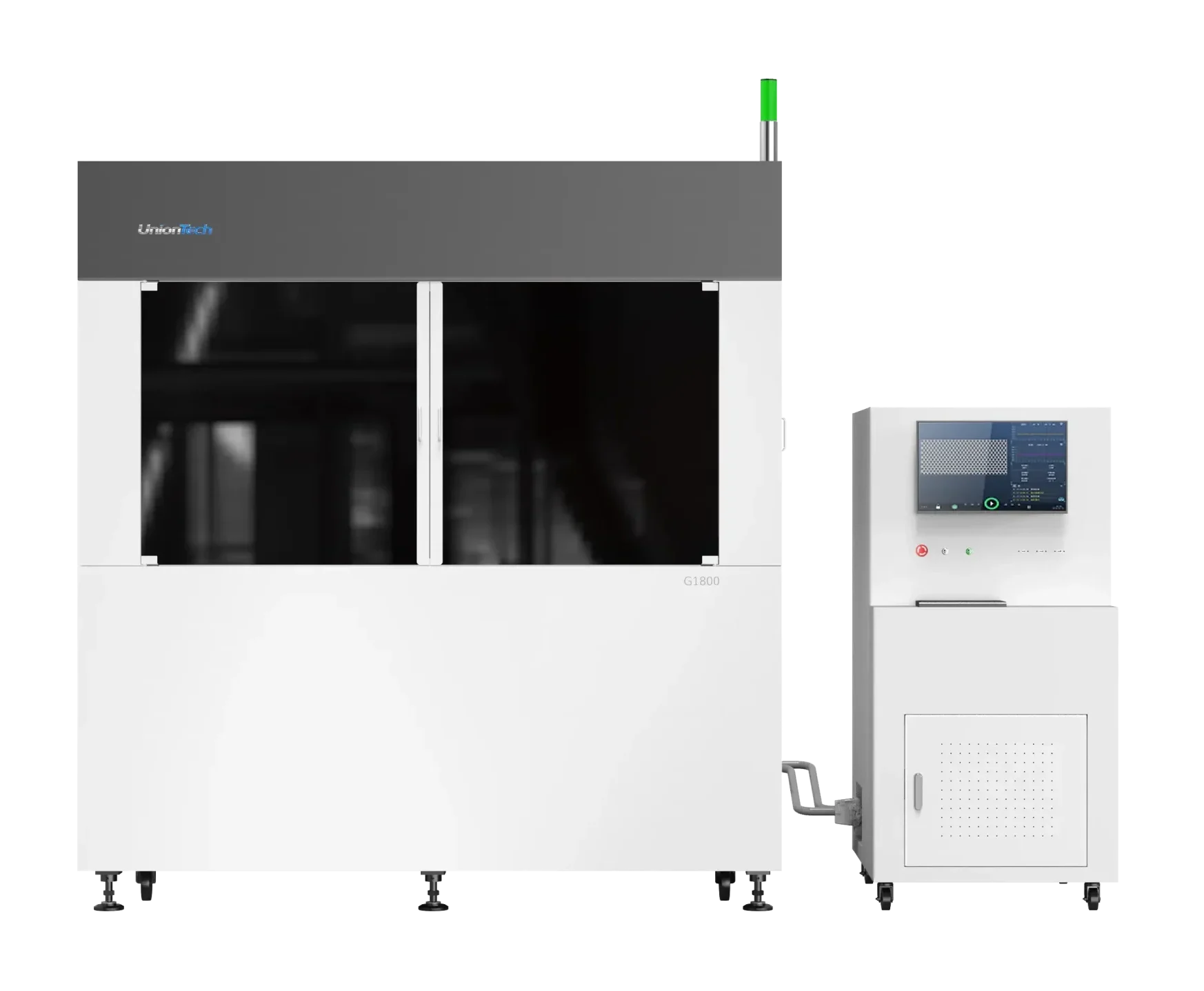
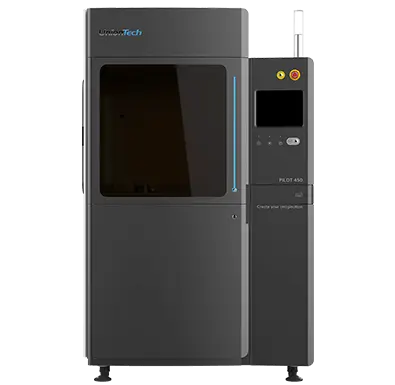
If you’re seeking reliable, large-build-volume SLA solutions, UnionTech offers professional-grade solutions for various applications, such as our RSPro series and Lite series.
• The RSPro series is the large-format option, such as the RSPro2100 with a print size of up to 2100×700×800 mm. It utilizes three-laser scanning, delivering exceptional printing speed, precision (0.2 mm), and surface finish, making it ideal for large automotive components or high-volume part production.
• The Lite series is characterized by high precision and fast printing speeds. For example, the Lite600 offers an accuracy of ±0.1 mm and a maximum print size of 600×600×400 mm. It is cost-effective, providing a one-stop solution for small-batch printing with efficiency, accuracy, and reliability.
By integrating 3D printing for automotive industry solutions, manufacturers can reduce their tooling costs and shorten development cycles by several weeks!
From slashing development time and enabling rapid part designs to streamlining supply chains and supporting sustainability, the value of 3D printing in cars is proven.
Whether you are looking to produce complex 3D printing car parts or optimize your assembly line with custom tooling, UnionTech offers the scale and precision needed to lead the market. Contact us now if your business has any 3D printing needs.