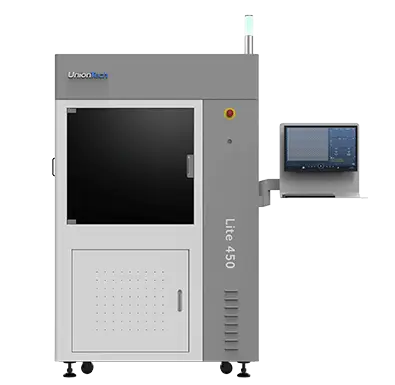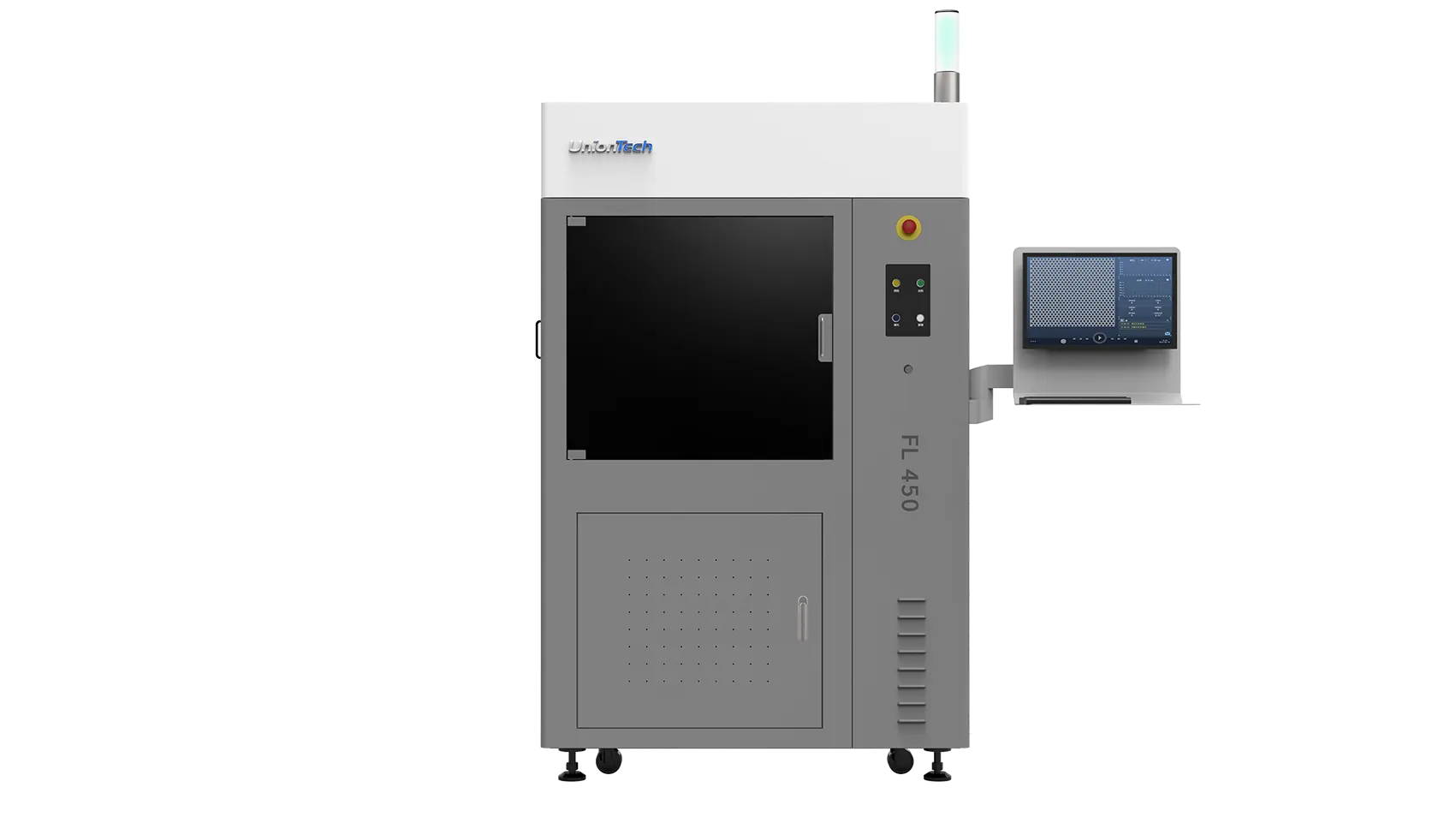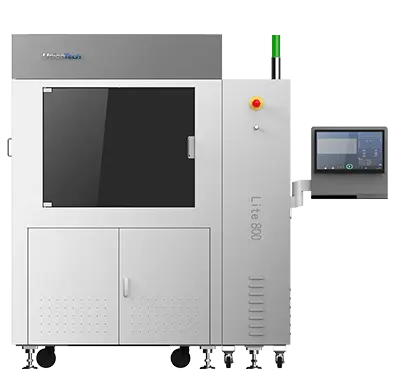
In the world of 3D printing in the automotive industry, selecting the appropriate 3D printer can make a significant difference in the quality, speed, and cost of production. When it comes to automotive components, two common types of 3D printers are often considered: FDM (Fused Deposition Modeling) and resin printers. Both technologies have their advantages and disadvantages, but when it comes to precision, surface finish, and material versatility, SLA 3D printing technology often stands out. At UnionTech, we understand the unique needs of the automotive industry, and we’ve worked with numerous partners to develop customized solutions that meet specific requirements. But which of these printing technologies is more suited for automotive parts? Let’s dive into the details of FDM vs. resin printing to explore which might be the right choice for your next automotive project.
Surface Quality and Detail
One of the most significant differences between FDM and resin printers lies in the level of detail and surface finish. FDM printers are typically used for quick prototyping and larger parts, but the results often show visible layer lines, which can affect the smoothness and aesthetic quality of parts. This can be a major limitation when producing high-end automotive components that require a smooth finish.
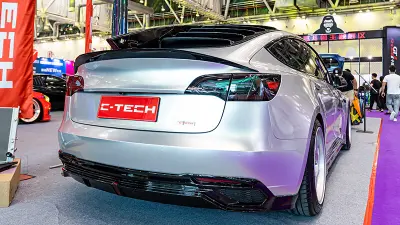
On the other hand, SLA 3D printing technology offers superior precision with smooth surfaces and detailed features. At UnionTech, we have implemented SLA 3D printing technology for various automotive applications, such as the creation of intricate internal components and high-quality display models. The fine resolution of resin printing allows us to produce parts with exceptional detail and finish, which is particularly beneficial for parts seen by customers, such as dashboard components or sports car models.
Material Options and Strength
Another key consideration is the range of materials available for each printing technology. FDM printers use thermoplastic filaments, which can vary in strength and heat resistance depending on the material chosen. However, the material selection can be more limited when compared to resin printing.
Resin printing, particularly SLA 3D printing technology, allows for the use of a variety of high-performance resins tailored to meet the specific demands of the automotive industry. For example, UnionTech offers resins that are specifically designed for producing durable, heat-resistant automotive parts that require both high strength and precision. These materials are often more robust for functional automotive parts compared to FDM filaments.
Cost and Efficiency
While both FDM and resin printing offer cost-effective solutions in certain scenarios, FDM printing tends to be more affordable for larger-scale production, especially when using simpler materials. However, SLA 3D printing technology might offer greater long-term value when considering the quality of the finished parts and their potential performance in automotive applications.
At UnionTech, we understand the balance between cost and quality, which is why we strive to provide cost-effective solutions for our partners. Our SLA 3D printing technology is often priced more competitively compared to foreign counterparts, making it a more accessible option for high-quality automotive components without compromising on accuracy or stability.
Conclusion
Choosing between FDM and resin printing for your automotive projects depends on the requirements of your specific parts. For those needing high detail, a smooth finish, and a broader range of material options, SLA 3D printing technology might be the better choice. At UnionTech, we specialize in providing precise and cost-effective 3D printing solutions that cater to the unique demands of the automotive industry. Whether you’re designing high-quality components or customizing parts for showrooms, our team is ready to help bring your automotive projects to life.