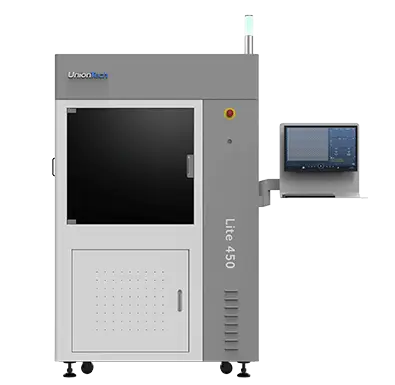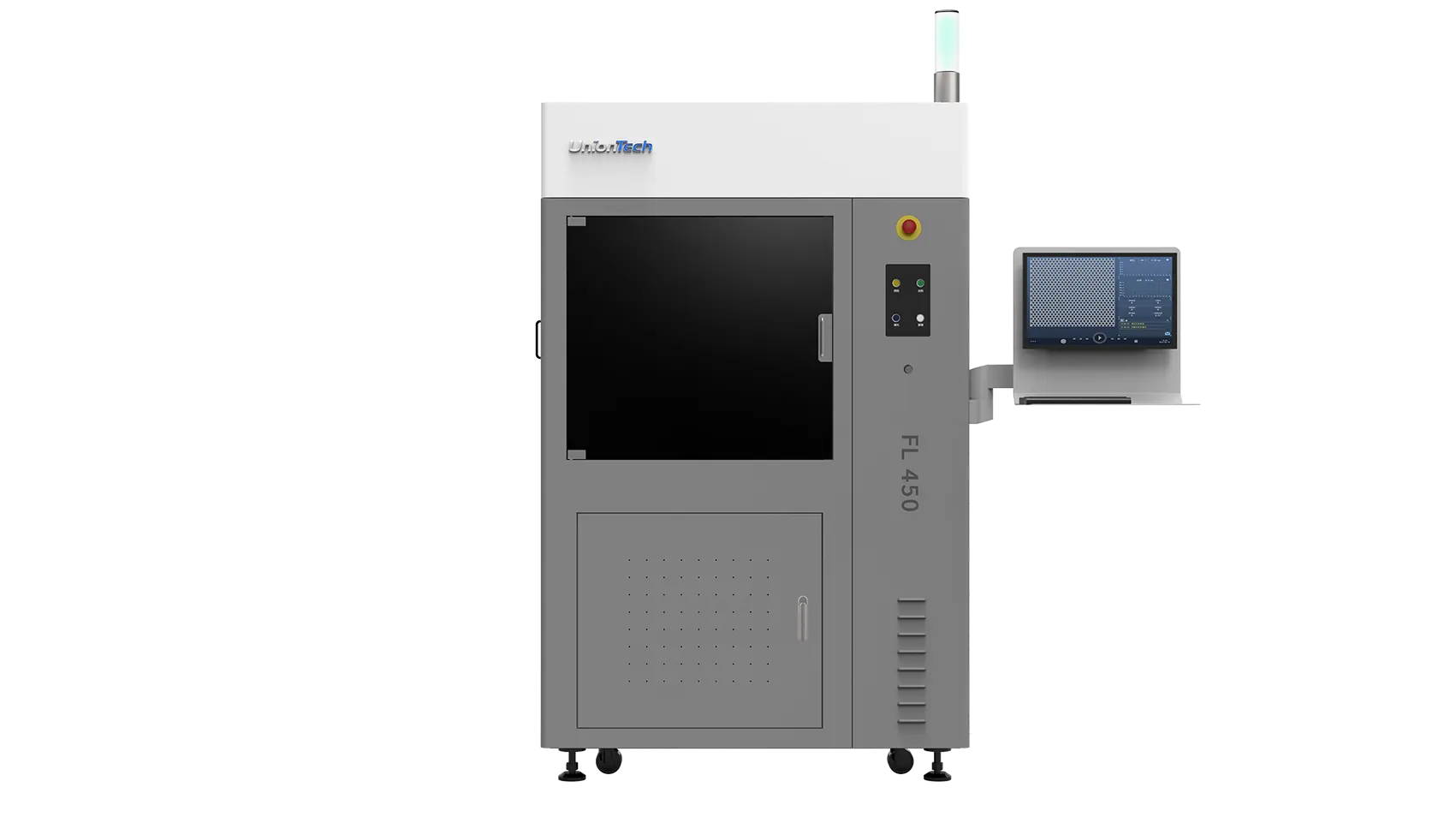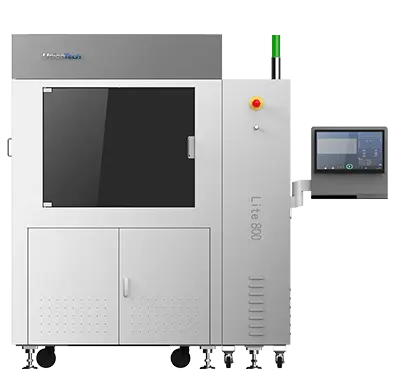
At UnionTech, we work with tire manufacturers who are integrating additive manufacturing into existing mold development processes. In these projects, the concept of a 3D printed tire is mainly used at the mold verification stage rather than final product manufacturing. The purpose is to check tread geometry, groove continuity, and structural feasibility before committing to metal tooling. In most cases, the priority is not conceptual exploration but reducing iteration loss between digital design and physical validation, especially when multiple design revisions are required within short development cycles.
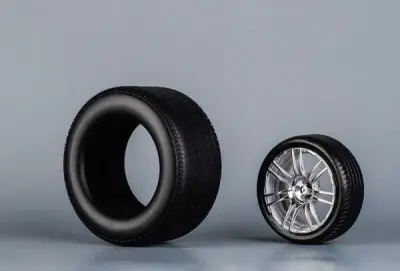
In practical applications, the term “3D printed tire” refers to the mold used for forming tire structures, not the rubber tire itself. Within industrial workflows, SLA-based systems are used to produce segmented mold components for inspection and functional testing. These components allow engineers to evaluate tread accuracy, cavity depth, and edge definition directly after curing, instead of relying only on simulation results.
When printing tire molds, dimensional deviation is mainly influenced by exposure energy distribution, resin curing behavior, and layer stacking consistency. Deep groove areas often show edge rounding if exposure is too high, while insufficient exposure may lead to incomplete cavity formation. Because of this, parameter tuning is carried out during slicing rather than after printing, and verification is completed through coordinate measurement of printed sections before machining decisions are finalized.
Industrial tire mold production depends heavily on system stability during long build cycles. At UnionTech, the RA600 tire mold platform is designed to support consistent resin curing across large-format geometries. In these applications, an industrial sized 3D printer is used to maintain uniform light exposure and motion control so that tread features remain consistent from the center area to the mold edges.
Process accuracy is also affected by mechanical calibration and thermal stability. Small deviations in Z-axis movement or uneven platform leveling can accumulate over long printing times, which directly impacts roundness and alignment of mold structures. To reduce this effect, calibration is performed before each build cycle, and motion paths are verified against model geometry to ensure repeatable output across multiple iterations of the same mold design.
In real production environments, additive manufacturing is not used as an independent system but as part of a broader mold development chain. A 3D printed tire workflow is typically inserted between digital design and CNC machining to validate tread structures before final tooling. Printed mold segments are inspected, adjusted, and compared against design data to confirm whether geometry meets performance requirements such as noise reduction, traction balance, and structural stiffness.
An industrial sized 3D printer allows manufacturers to shorten this validation loop by producing multiple design variations in a controlled timeframe. Instead of waiting for traditional mold fabrication, engineers can test different tread layouts sequentially and feed measurement data back into design optimization. This reduces dependency on long tooling cycles and improves coordination between design and manufacturing teams.
Tire mold development using additive manufacturing is centered on controlled validation rather than direct production replacement. A 3D printed tire is primarily used to verify geometry and structural behavior before tooling investment, while SLA-based systems provide the precision required for detailed tread reproduction. At UnionTech, we focus on aligning equipment performance with real mold development workflows, ensuring that an industrial sized 3D printer can deliver consistent output across repeated design iterations. This approach supports more predictable development cycles and improves the connection between digital design data and physical mold results in industrial tire manufacturing.