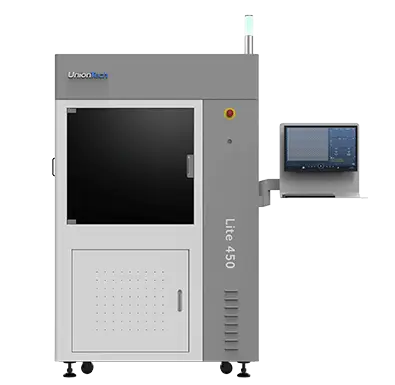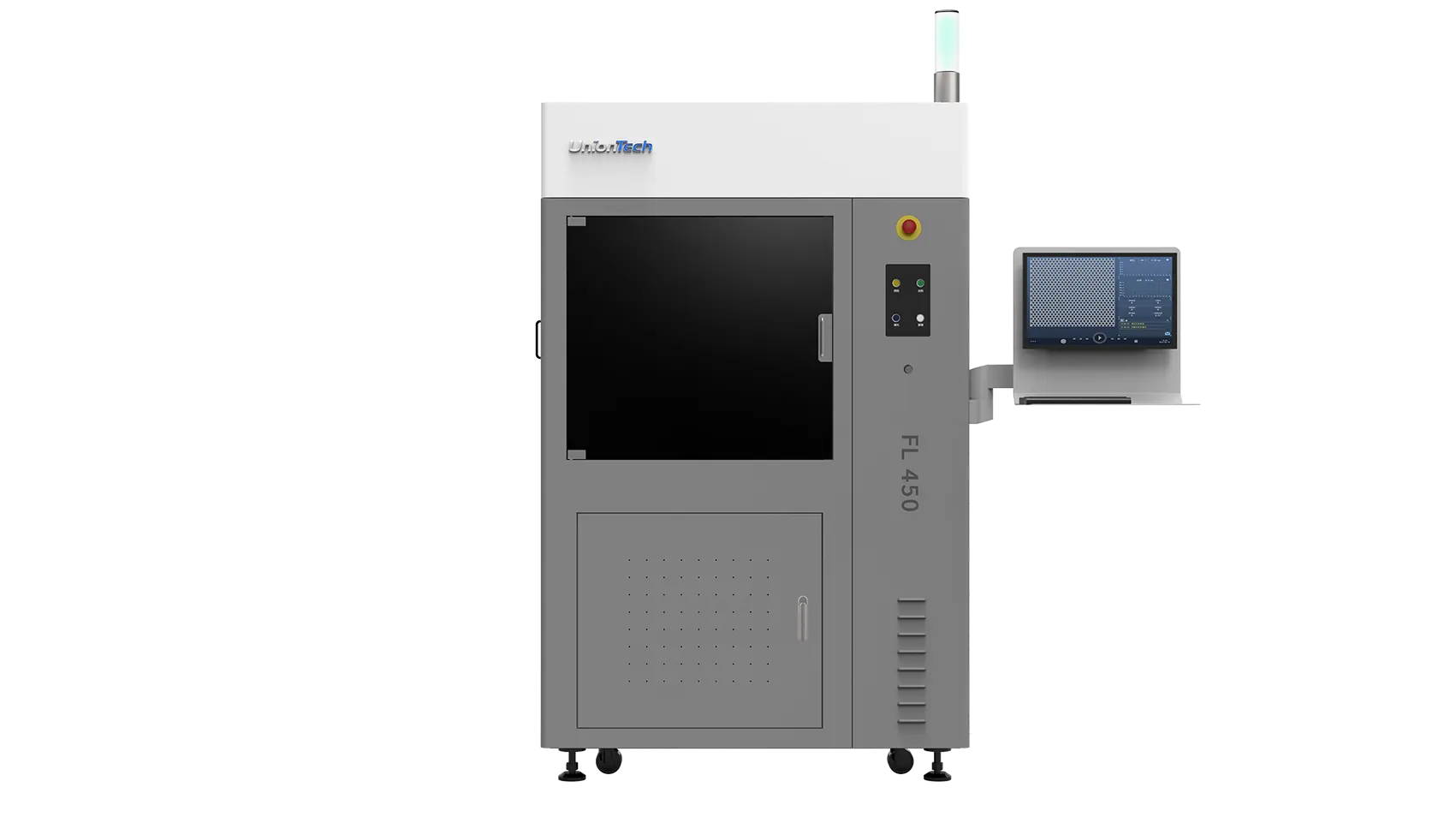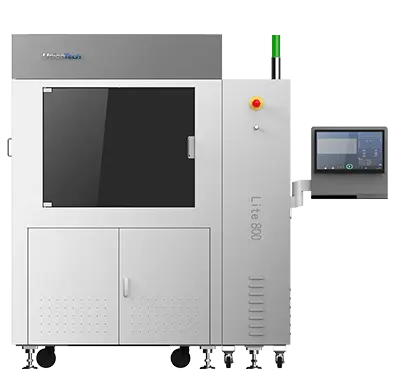
Electric vehicle development is changing tire mold design priorities in measurable ways, particularly in noise control, tread segmentation, and rolling resistance optimization. At UnionTech, we work with mold engineers who increasingly validate geometry using physical prototypes before committing to tooling. A 3D printed prototype is used to evaluate groove layout, block continuity, and structural transitions directly from CAD data, which allows design issues to be identified earlier in the development cycle.
Compared with conventional vehicle tires, EV tires require tighter control of tread geometry because road noise becomes more noticeable without engine masking. This leads to narrower groove spacing and more complex tread segmentation. In practice, engineers adjust groove depth distribution and refine block edge transitions to reduce resonance effects and improve contact stability, and these modifications are evaluated through printed mold sections before machining begins.
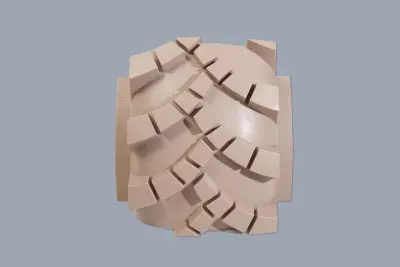
In tire mold development workflows, an SLA 3D printer is typically used to produce segmented mold components instead of full molds due to size constraints and the need for localized validation. The process usually starts with CAD segmentation based on tread regions, followed by orientation planning to reduce support contact on functional surfaces. After printing, each section is measured to verify groove depth, cavity definition, and edge sharpness, which directly reflects whether slicing parameters and exposure settings are properly balanced.
Fine tread features are particularly sensitive to process parameters. When exposure energy is too high, groove edges become rounded due to over-curing, while insufficient exposure may result in incomplete cavity formation. In deep tread areas, resin drainage between layers also influences edge clarity, so scan overlap and exposure time are adjusted during slicing to stabilize feature reproduction.
Tire mold production requires consistent results across multiple builds of the same design, which makes repeatability a critical requirement rather than a secondary metric. Variation is usually introduced by resin temperature changes during long print cycles, slight calibration drift in vertical motion, or uneven light distribution across the build area. These factors are controlled through pre-build calibration and motion verification before printing begins.
The RA600 tire mold 3D printer is designed to support this workflow by maintaining stable dimensional output across repeated builds. It is used for tread validation where engineers need to compare multiple iterations under consistent process conditions. In this context, stability is not defined by a single print result but by consistency across batches of the same geometry.
EV tire development cycles are shorter than traditional programs, which increases the frequency of design iterations within a single project. Instead of waiting for tooling modifications, engineers use printed mold segments to evaluate how changes in tread geometry affect noise behavior, stiffness distribution, and contact patch stability. This allows physical validation to take place earlier in the development process, reducing dependency on simulation alone.
From a workflow perspective, additive manufacturing serves as a bridge between digital design and final machining. An SLA 3D printer is used specifically for controlled geometry verification rather than end-use production, ensuring that tread structures are validated before steel molds are manufactured. At UnionTech, system design is aligned with these validation requirements to maintain consistent dimensional output during iterative development.
Tire mold development for electric mobility is increasingly driven by early-stage physical validation and repeated geometry verification. A 3D printed prototype is used to reduce uncertainty in tread design decisions before tooling investment, while additive workflows support faster iteration cycles and more controlled engineering validation. This approach helps ensure that final mold structures meet both performance and manufacturing requirements under EV-specific conditions.