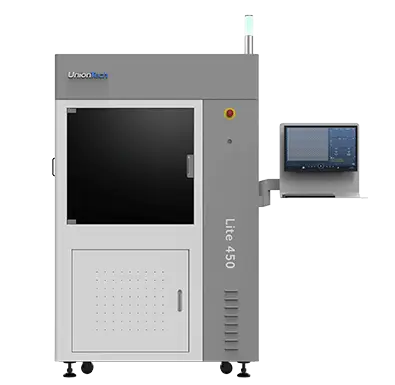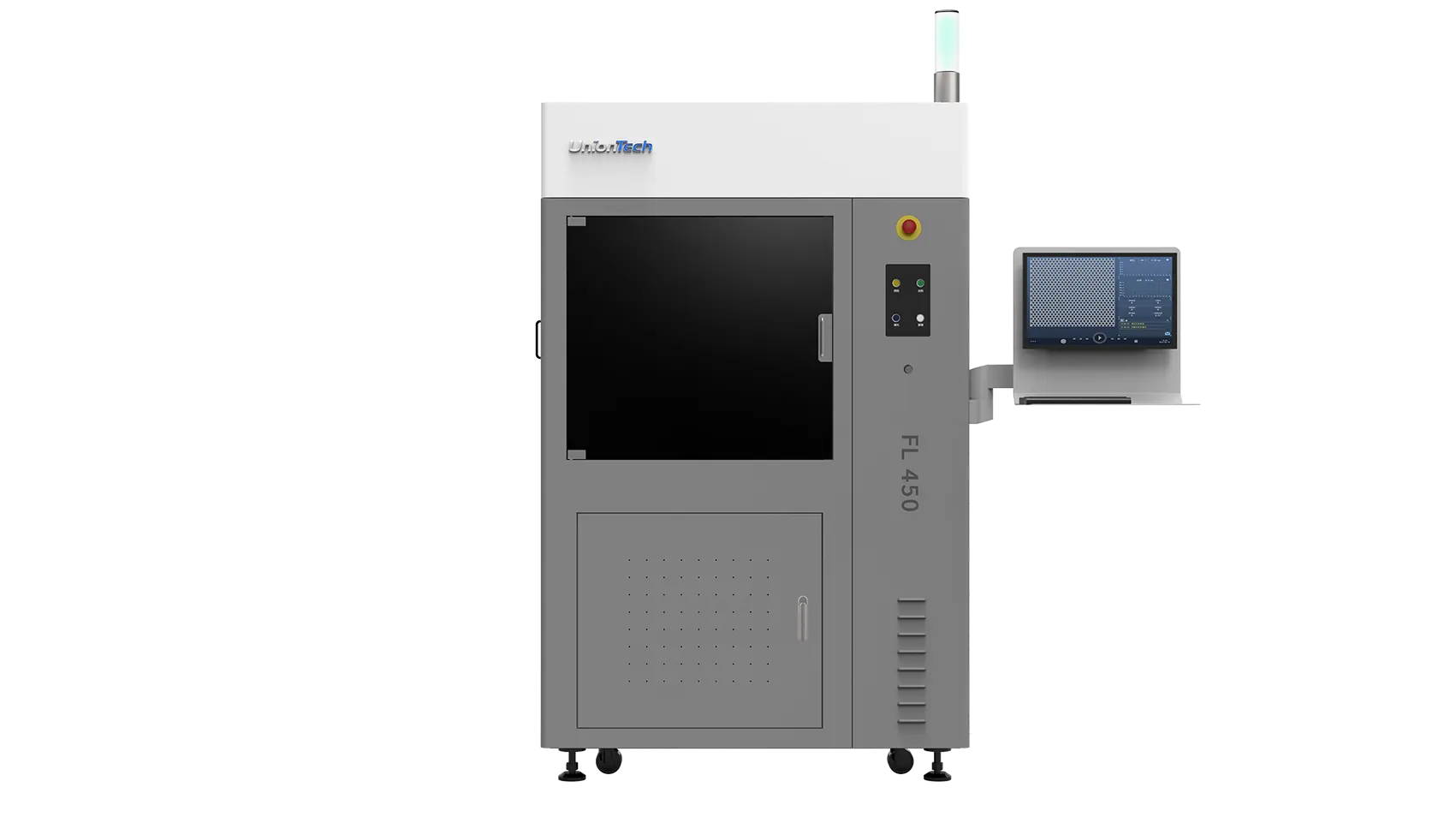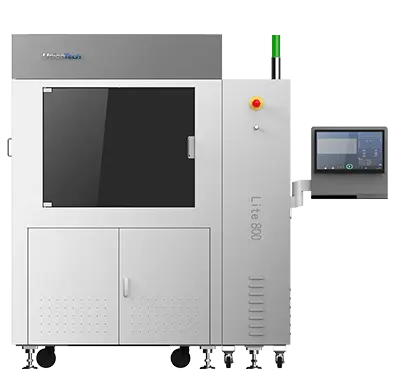
At UnionTech, manufacturers increasingly explore how resin-based additive manufacturing can support reliable batch production of investment casting patterns. When evaluating a large SLA 3D printer, users consider not just build size but also the system’s ability to deliver repeatable results across multiple cycles. Consistency in pattern output is critical because deviations can directly affect mold accuracy and final part quality in downstream casting operations.
Investment casting patterns require precise dimensional control and uniform surface quality. At UnionTech, we optimize resin exposure, layer adhesion, and curing conditions to ensure predictable outcomes for each print. Maintaining stable processing parameters helps minimize variation between batches, enabling patterns to meet stringent casting tolerances. Consistent layer bonding and repeatable curing behavior are especially important during long production runs, where even minor discrepancies can cause downstream adjustments or rework.
Efficiency in pattern production depends on seamless coordination between digital preparation and physical output. In industrial workflows, operators often run multiple print jobs across production lines, so slicing strategies, material response, and machine motion control must be aligned. UnionTech emphasizes how integrated workflow planning reduces downtime and maintains consistent part quality without requiring extensive reconfiguration between batches. This ensures that patterns move efficiently from design files to casting-ready forms.
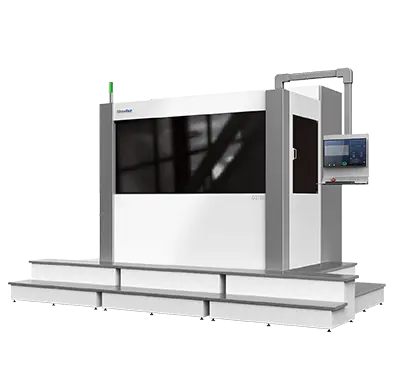
The large 3D printer RSPro2100 is engineered to handle large-format resin printing, making it suitable for both prototype validation and scaled pattern production. System stability and controlled resin curing allow engineers to switch between design iterations without sacrificing repeatability. In practical applications, maintaining dimensional accuracy and surface uniformity directly supports smoother downstream operations in casting. Operators benefit from predictable performance, reducing the risk of errors and ensuring that each batch meets specification standards consistently.
Additive manufacturing enables more controlled and scalable production of investment casting patterns. At UnionTech, we focus on aligning system behavior with the precise requirements of batch workflows, ensuring stable resin processing and repeatable outcomes. A large SLA 3D printer plays a key role in bridging the gap between design and industrial casting production, supporting multiple iterations without introducing variability. The large scale resin 3D printer RSPro2100 reflects this approach by delivering consistent performance across extended runs, demonstrating how SLA-based additive manufacturing can integrate reliably into industrial investment casting workflows.