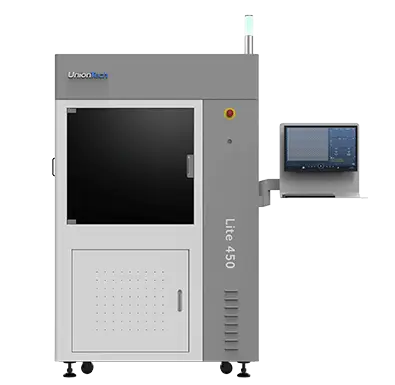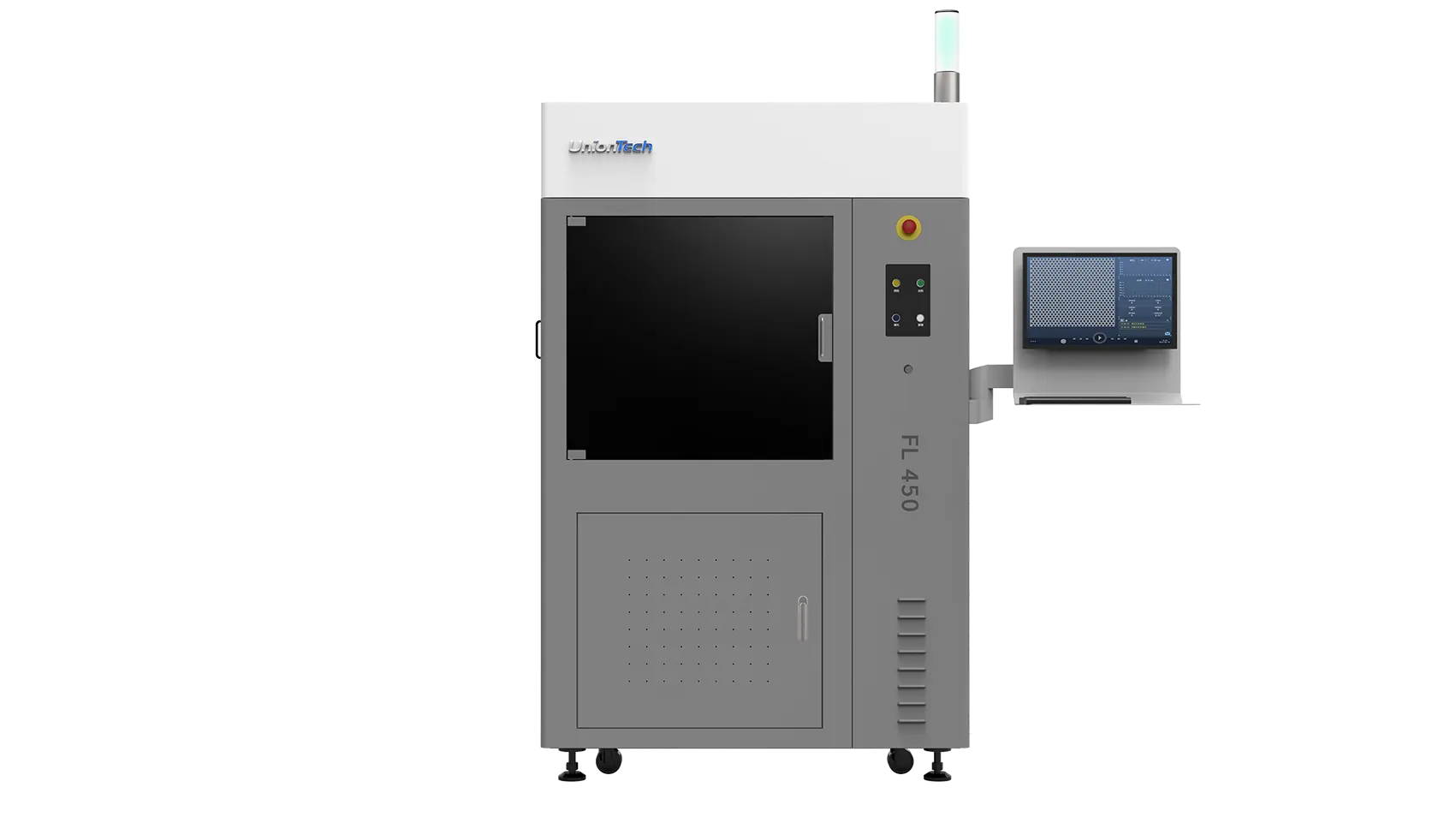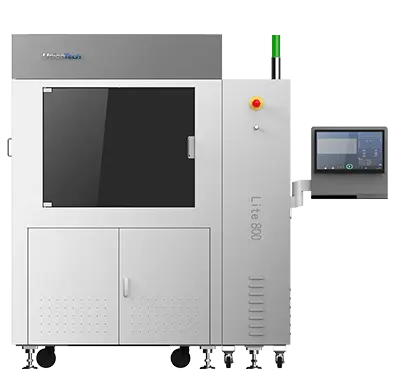
At UnionTech, industrial clients evaluating a large 3D printer for sale are increasingly focused on how a system performs during extended resin-based production rather than just its maximum build size. In modern industrial environments, stability, repeatability, and material adaptability are the primary considerations. We guide users to understand not only the specifications on paper but also how the machine performs across multiple production cycles, including prototyping, validation, and end-use component manufacturing.
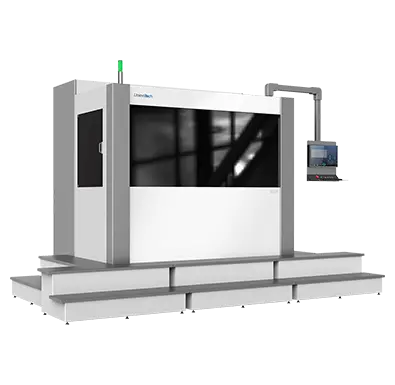
While build volume is often the first specification considered, structural integrity determines whether large-format parts can be produced reliably. At UnionTech, we observe that mechanical rigidity, platform calibration, and optical alignment must work together to prevent deviation across the entire build area. Without these coordinated elements, even a machine with a large platform can produce inconsistent results. Structural stability is particularly critical when printing tall or complex resin components, as minor vibrations or misalignments can propagate through layers and affect final part accuracy.
Managing resin behavior over long print cycles is another core factor in industrial SLA systems. Different formulations respond differently to light exposure, temperature, and layer timing, so process control must accommodate these variations. At UnionTech, we focus on precise exposure regulation, consistent layer curing, and repeatable material handling. This ensures that parts produced in separate builds remain comparable, even when switching between complex geometries or resin types. Consistent process control reduces the risk of rework, maintains dimensional accuracy, and helps engineering teams trust that prototypes and functional components are representative of the final design.
Software plays a central role in aligning multiple technical elements. From data preparation and slicing to print scheduling and simulation, an integrated software workflow helps operators maintain stable production logic. At UnionTech, our RSPro2100 3D printer combines hardware capability with process coordination, enabling predictable output across different applications. Efficient workflow management minimizes manual adjustments, reduces errors, and ensures that production remains consistent even when handling diverse part designs or simultaneous build jobs.
Selecting a large 3D printer for sale requires evaluating the full interplay of mechanical stability, process control, and workflow integration. At UnionTech, we emphasize that industrial SLA systems must deliver consistent results across real production environments rather than excel in isolated metrics. The RSPro2100 demonstrates how careful design of structural elements, material handling, and software integration allows operators to maintain repeatable performance across multiple resin-based applications. Understanding these factors ensures that investments in large-scale SLA equipment translate into reliable industrial output rather than theoretical specification advantages.