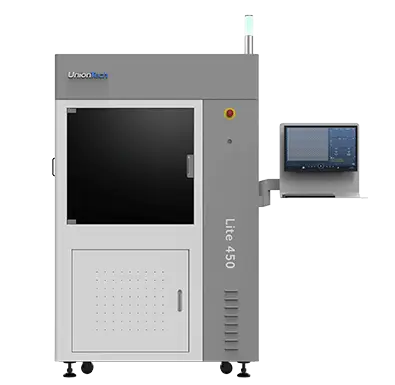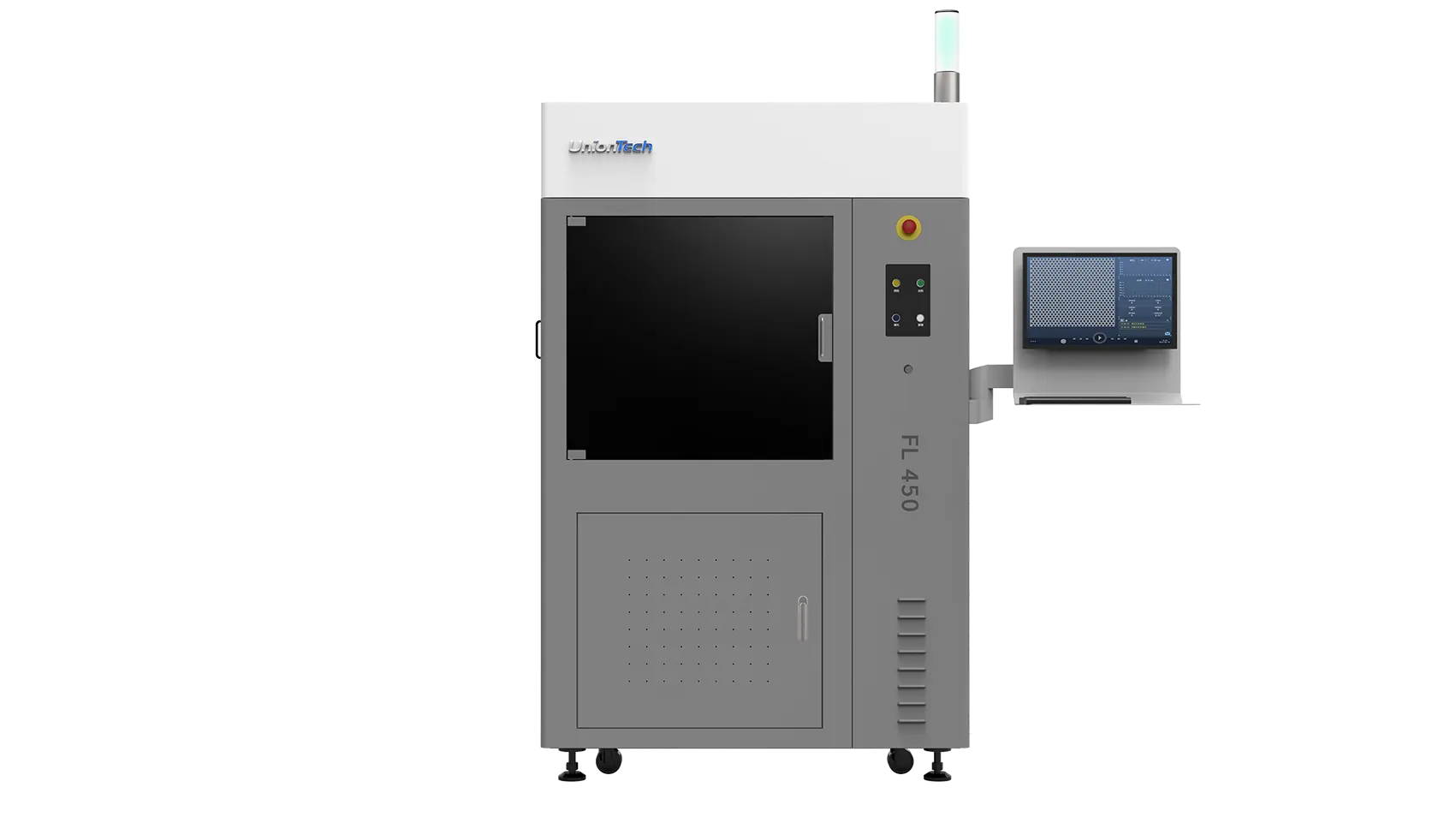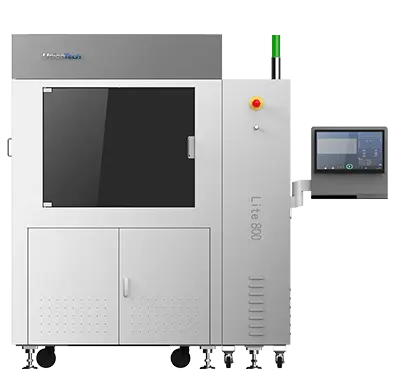
At UnionTech, we often receive questions about how layer thickness affects printing outcomes in resin-based SLA systems. In practical workflows, parts are built layer by layer, with slice thickness usually ranging from 25 to 100 microns depending on part geometry and application requirements. Users rarely select this parameter in isolation; it is always balanced with exposure settings, resin response, and machine behavior. UnionTech focuses on helping industrial clients understand these interactions so that layer adjustments support predictable results rather than being treated as a fixed value.
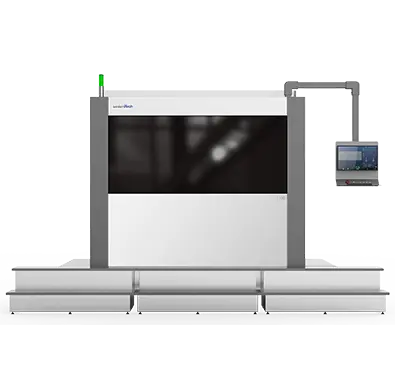
In SLA printing, process stability is more important than a single nominal layer height. Light calibration, motion accuracy, and resin behavior are coordinated to ensure each layer cures uniformly. Slice thickness interacts directly with these factors, and small deviations can influence dimensional accuracy, surface finish, and mechanical performance. Different resins respond differently to identical layer settings, which is why stable system control is essential. UnionTech works with clients to ensure that slice strategies are aligned with functional testing and production requirements, enabling consistent results from prototypes to small-batch components.
In industrial applications, layer thickness is adjusted based on part complexity and intended function. The RSPro2100, a large industrial 3D printer, supports uniform layering across large build areas while maintaining stability for different resin types. This allows engineers to switch between prototypes and functional components without sacrificing accuracy. UnionTech guides users in evaluating how layer height affects surface quality, curing depth, and build time. By considering geometry, material, and performance goals together, production teams can balance precision and efficiency effectively.
Layer selection should be seen as part of a broader printing system. A large industrial 3D printer enables adjustments for geometry and resin characteristics while maintaining repeatable outcomes across builds. UnionTech continues to refine equipment and workflows so that slice strategies contribute to consistent results in industrial settings. Success in SLA production depends on harmonizing layer height, material behavior, and system stability rather than focusing on a single parameter. The RSPro2100 platform reflects this approach, supporting high-precision, adaptable manufacturing without compromising throughput or repeatability.
Maintaining predictable SLA results requires viewing slice thickness as part of the entire printing system rather than a single setting. In industrial production, geometry, resin behavior, and machine stability all interact to influence part quality. The RSPro2100, a large industrial 3D printer, supports consistent layer formation across large build areas, enabling engineers to move seamlessly from prototypes to functional components. At UnionTech, we focus on integrating layer strategy, material compatibility, and process control into a unified workflow so that each build delivers repeatable dimensional accuracy and surface quality. By aligning equipment capabilities with real production needs, operators can reduce iteration errors, improve throughput, and confidently validate part performance before downstream processes. This approach ensures that SLA printing contributes directly to reliable industrial outcomes, rather than leaving results dependent on isolated parameters or ad hoc adjustments.