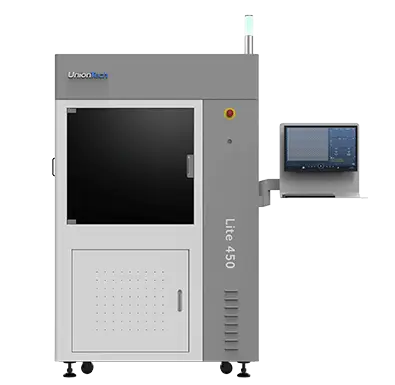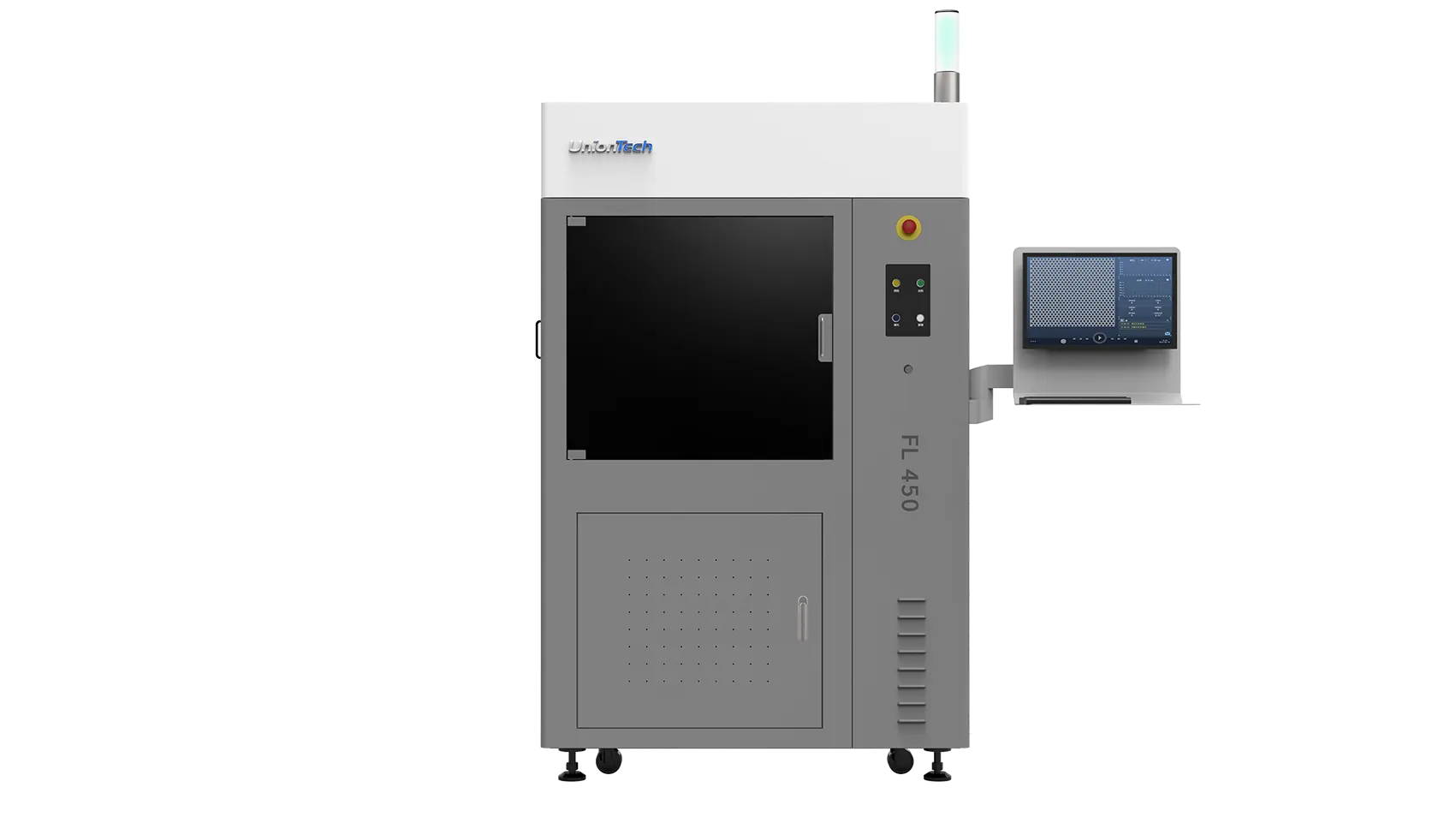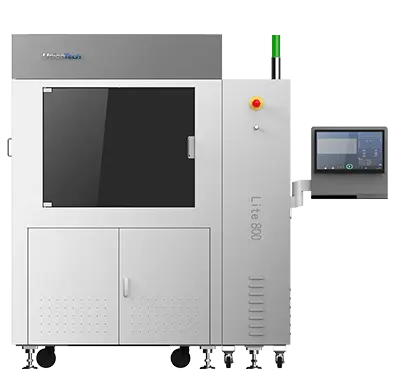
In industrial manufacturing, printing is only the first step toward consistent part quality. At UnionTech, we observe that final performance depends on how printed components are handled after leaving the build platform. Support removal, cleaning, and post-curing can significantly affect dimensional accuracy and surface finish. Treating these stages as part of the workflow rather than separate steps ensures that parts retain predictable behavior when moving from prototype evaluation to functional testing or small-batch production. Standardizing post-processing procedures allows operators to achieve repeatable results, even when dealing with complex geometries or multiple resin types.
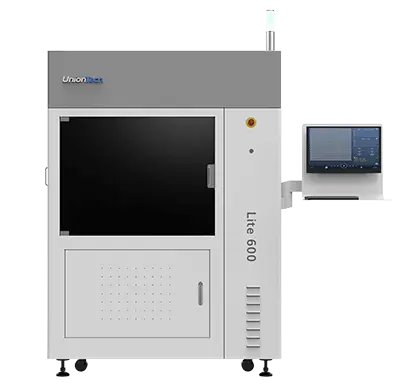
The Lite600 industrial resin SLA platform was developed to support controlled and repeatable part production across diverse industrial applications. A high accuracy 3D printer ensures stable exposure and precise motion control, but part quality ultimately depends on how printed components are treated during finishing stages. At UnionTech, we focus on creating workflows where cleaning, drying, and post-curing are coordinated with printing parameters. Consistent handling reduces variation in surface texture, dimensional behavior, and mechanical properties, which is critical when transitioning prototypes into functional or production-ready components.
Different sectors, including automotive, electronics, and consumer product design, present unique post-processing challenges. Resin types, part geometries, and functional requirements often dictate adjustments in cleaning and curing procedures. UnionTech’s experience shows that structured routines maintain process repeatability, allowing multiple materials and design iterations to be handled efficiently. By integrating post-processing control into the overall production workflow, manufacturers can limit variation between batches and ensure that parts meet engineering specifications consistently, even under high-mix or fast-turnaround conditions.
Efficiency in SLA production depends not only on print speed but also on minimizing human or procedural errors during post-processing. By combining predictable printing parameters with standardized handling steps, operators can reduce downtime caused by rework or inconsistent results. The Lite600 platform supports these practices through controlled exposure, stable motion systems, and predictable resin behavior, which together enable a smoother transition from printed component to validated part. Maintaining this level of operational discipline is essential in industrial environments where reliability and repeatability are prioritized.
Achieving consistent SLA output requires linking machine capability with disciplined post-processing routines. A high accuracy 3D printer, when integrated with structured finishing workflows, allows parts to meet design and functional requirements reliably. UnionTech’s Lite600 solution exemplifies this approach by enabling repeatable performance across different materials, geometries, and application contexts. Ultimately, success in print-to-part production comes from harmonizing printing precision with post-processing control rather than relying solely on improvements in a single stage.