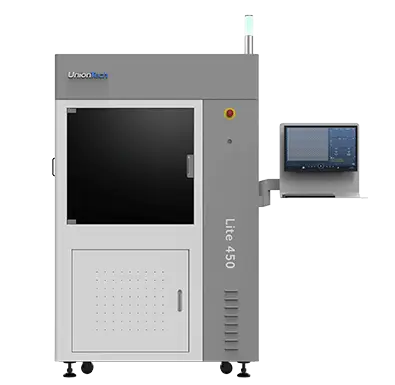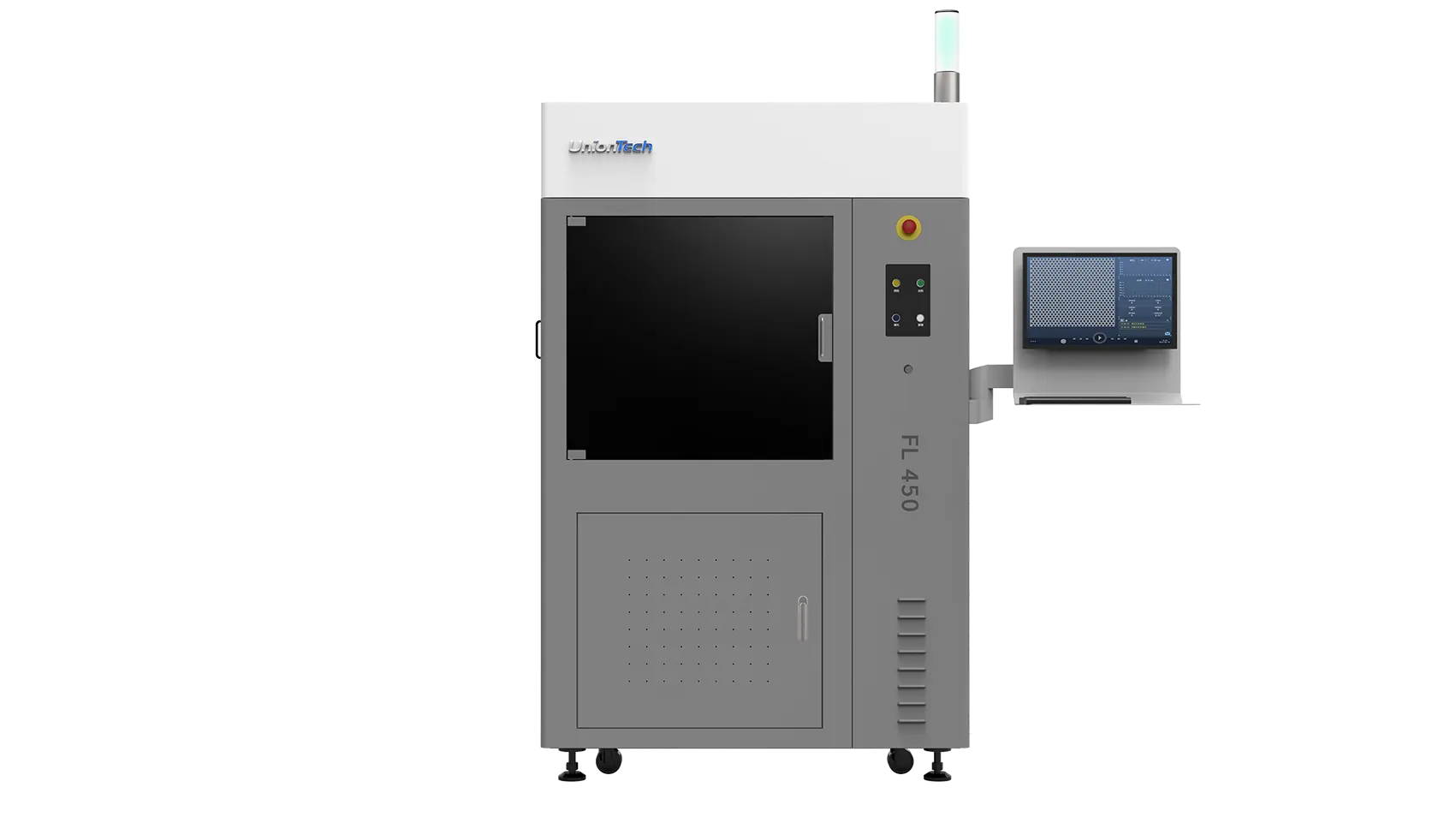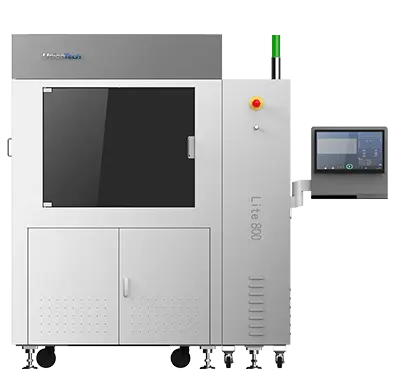
In manufacturing development projects, cost pressure is often driven not by single production steps but by repeated iteration cycles that accumulate time, tooling, and setup effort. At UnionTech, we work with engineering teams who need to evaluate design changes quickly while maintaining predictable expenses across multiple development stages. In this context, a prototyping 3D printer is mainly used to replace intermediate tooling steps such as mold preparation, machining setup, and repeated fixture adjustments, allowing teams to move directly from CAD data to physical validation parts without re-establishing production conditions for each iteration.
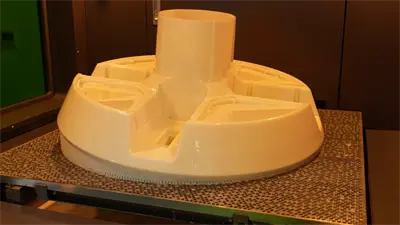
In traditional prototyping workflows, each design revision often requires new machining paths, fixture alignment, or partial mold reconstruction, which increases both lead time and cost variability. When these steps are repeated across multiple design versions, the cumulative setup effort becomes a significant part of the development budget rather than the material itself.
By contrast, additive manufacturing removes most tooling dependencies because geometry is generated directly from digital models. This allows engineers to produce updated parts without rebuilding physical production environments. When using a prototyping 3D printer, the same machine setup can be reused across different iterations, which reduces downtime between design updates and keeps production conditions consistent. This consistency is important because it ensures that cost comparisons between iterations are based on design changes rather than process differences.
In real engineering workflows, iteration speed directly influences total development cost because slower cycles increase waiting time between testing and feedback. When a design modification requires several days of tooling adjustment, the overall project timeline expands even if the actual manufacturing cost per part is unchanged.
With additive manufacturing, multiple design versions can be produced sequentially under the same process conditions. This allows engineers to test structural changes earlier and eliminate ineffective designs before committing to downstream processes. At UnionTech, our systems are used in environments where repeatable output is necessary for comparing design variants under identical conditions. This is particularly relevant in automotive and consumer product development, where small geometric changes can significantly affect performance outcomes.
Material usage is another factor that influences prototyping cost. In subtractive processes, excess material is removed during machining, and failed tooling often results in discarded semi-finished components. These losses increase total material consumption beyond the final part volume.
Additive manufacturing changes this pattern by producing parts layer by layer based on required geometry, which reduces unnecessary waste. However, cost efficiency still depends on how process parameters are controlled, including resin curing behavior, layer thickness selection, and print orientation. When these factors are properly managed, material usage becomes more predictable across different designs. At UnionTech, system configurations are designed to maintain stable output so that material consumption can be estimated consistently during iterative development cycles.
Cost control in prototyping is not determined by a single factor but by how effectively a development workflow reduces repetition in tooling, minimizes idle time between iterations, and stabilizes material usage. A prototyping 3D printer is used primarily to simplify early-stage validation by removing intermediate manufacturing steps, while larger systems support more complex prototypes under controlled conditions. At UnionTech, we focus on aligning system capability with real engineering workflows so that development cost is managed through process efficiency rather than isolated equipment performance. In this way, additive manufacturing supports a more structured and predictable approach to prototyping cost control.