At UnionTech, durability questions often arise when engineers consider 3D printed custom car parts for real-world use. In automotive development, these components are rarely judged by material data alone. Instead, teams focus on whether printed parts can withstand actual testing conditions such as load, vibration, and repeated assembly.
In practice, evaluation begins with how a part performs during prototyping stages. Engineers typically use printed components to verify fit, alignment, and mechanical response before moving to traditional manufacturing. This means reliability is closely linked to how consistently a system can produce parts that match design intent across multiple iterations. Rather than isolating a single factor, we look at how machine stability, material properties, and application requirements interact within a defined workflow.

The structural performance of a printed component depends on several controllable factors. Geometry design plays a key role, especially in areas such as wall thickness, support structure placement, and stress concentration points. Resin formulation also directly affects stiffness, impact resistance, and post-curing stability.
During evaluation, layer bonding consistency and curing accuracy are critical. Variations in exposure energy or scanning precision can lead to uneven mechanical properties within the same part. For this reason, systems must maintain stable light output and motion control throughout the build process.
In real automotive testing scenarios, parts are often subjected to assembly trials, dimensional inspection, and short-term functional tests. Within these steps, 3D printed custom car parts are validated based on how well they maintain shape accuracy and structural integrity after post-processing. This approach reflects practical engineering requirements rather than relying only on theoretical strength values.
Within automotive workflows, additive manufacturing is typically integrated into early and mid-stage development. Common applications include interior panels, mounting brackets, airflow test models, and production aids such as jigs and fixtures. These parts are not only used for visualization but also for hands-on validation in workshop environments.
One key advantage is the ability to shorten feedback cycles. Engineers can modify CAD models, print updated versions, and test them within a limited time frame. This iterative loop reduces delays caused by tooling adjustments and allows design issues to be identified earlier.
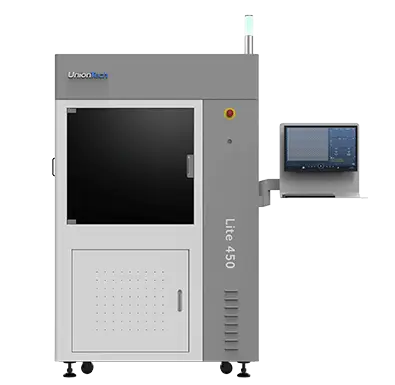
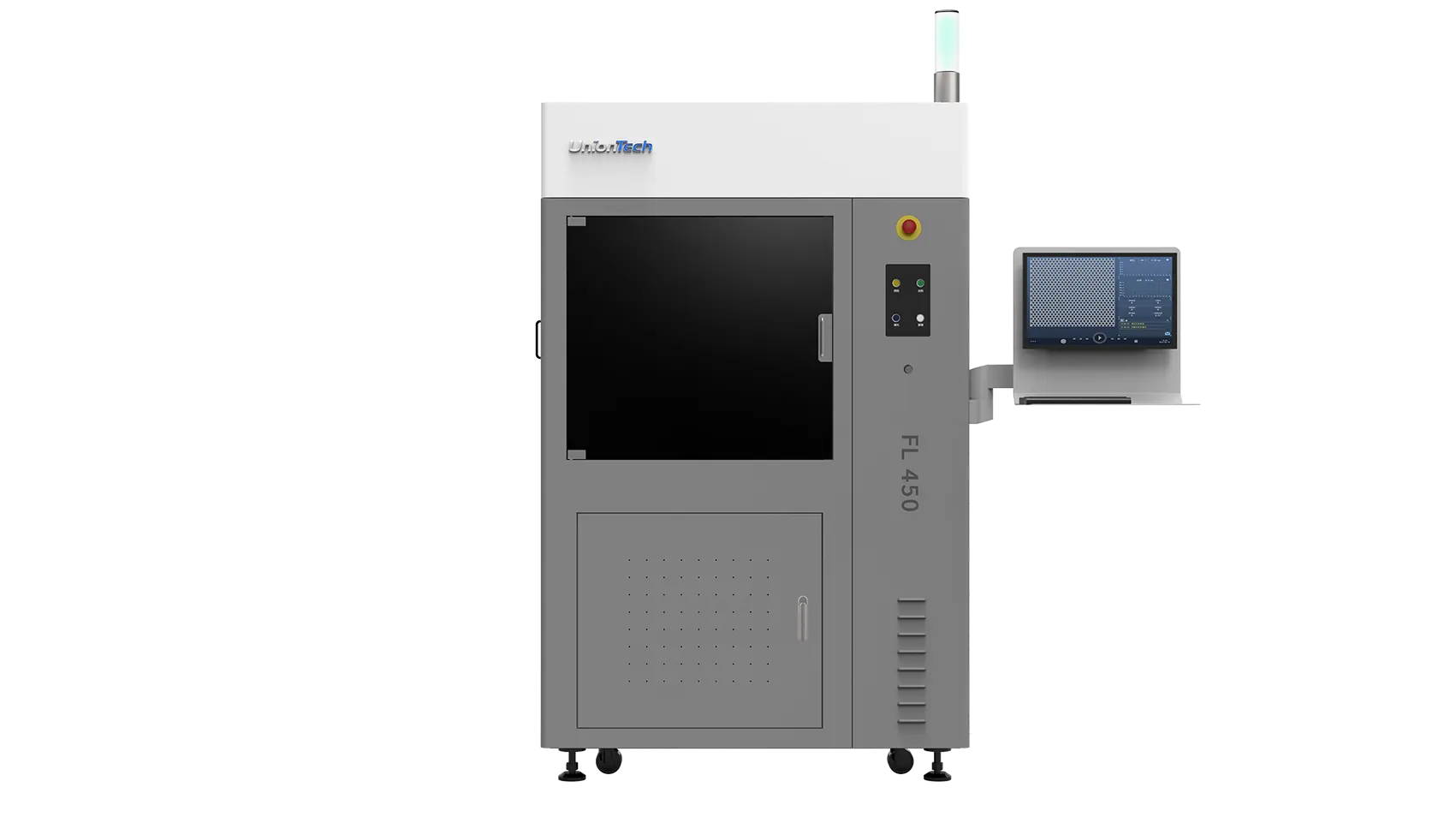
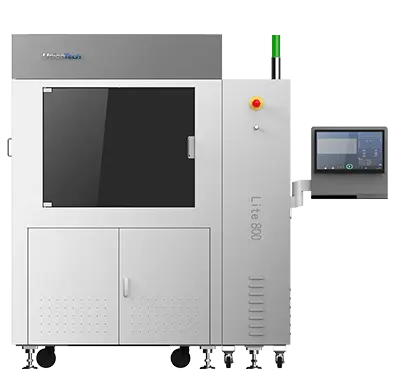
UnionTech’s SLA systems are designed to support this process by maintaining consistent dimensional output and surface quality. Stable processing conditions make it easier to reproduce parts across multiple builds, which is essential when comparing design variations. Instead of focusing purely on production volume, the emphasis is on delivering repeatable results that align with engineering evaluation needs.
From our experience, structural reliability in automotive additive manufacturing is determined by how well design, material behavior, and process control work together under testing conditions. The evaluation of 3D printed custom car parts is therefore closely tied to real application scenarios, including assembly checks and functional validation.
By focusing on consistent system performance and controlled processing, manufacturers can better assess whether printed components meet their intended use. This practical approach supports more reliable decision-making during development and helps integrate additive manufacturing into standard automotive workflows.