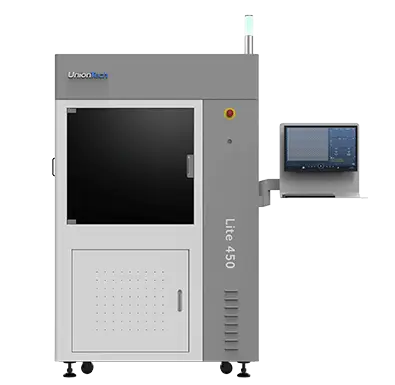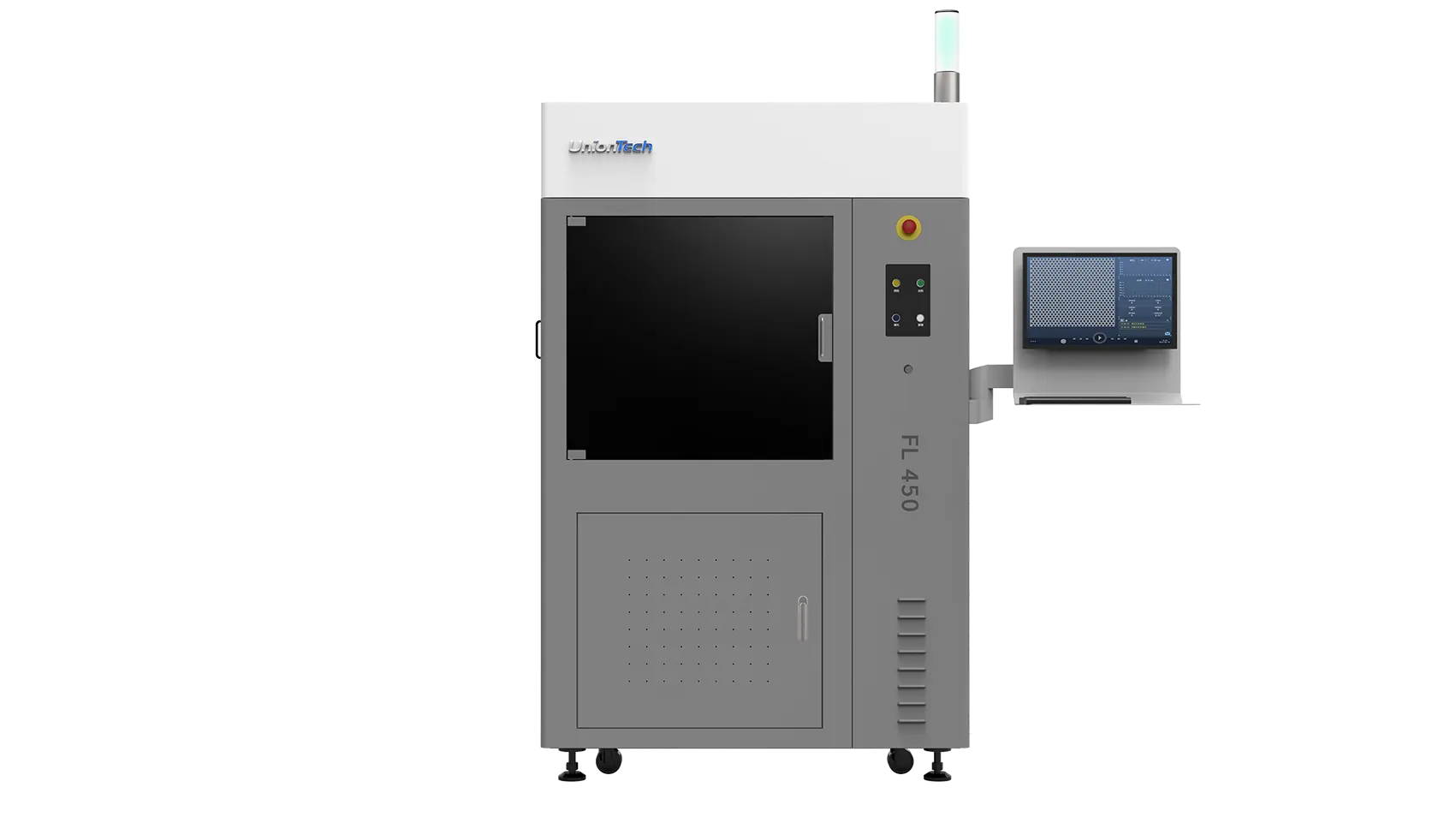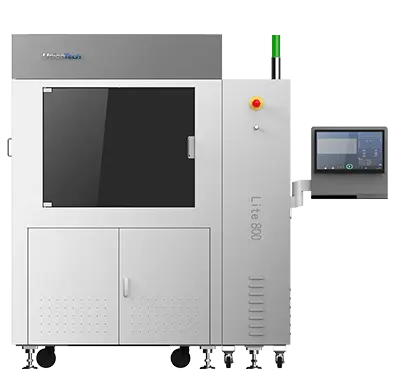
In our work at UnionTech, we observe that customization demands in the automotive sector are changing how manufacturers and aftermarket suppliers evaluate production tools. Many of them begin exploring 3D printing in the automotive industry when they need flexible design iteration and short-run part production without complex tooling changes. As an industrial 3D printer manufacturer, we often support discussions where users are trying to connect design freedom with stable manufacturing output. At this stage, the focus is less on scale and more on repeatable geometry accuracy across different vehicle components.
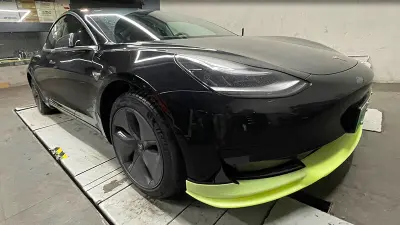
In automotive projects, 3D printing is increasingly used for interior components, decorative trims, and functional prototypes. Resin-based systems enable fast iteration of design variations, helping engineers validate both appearance and structural performance within shorter development cycles. For these applications, stable material behavior and precise process control are critical, especially when switching between aesthetic and functional parts. System coordination—such as software integration and exposure control—therefore plays a direct role in maintaining consistent output and supporting reliable workflow execution. We also notice that validation cycles often require repeated iterations under similar printing conditions to ensure part reliability across different design updates. This makes repeatability a practical requirement rather than an optional feature in day-to-day engineering work.
When scaling applications further, 3D printing in the automotive industry is often integrated into broader manufacturing strategies that include validation and low-volume production. We have seen that this stage requires stable build platforms and predictable resin behavior across different part geometries. At UnionTech, we design solutions such as our large-format SLA systems to support these workflows, including platforms referenced in our automotive application solutions page. As an industrial 3D printer manufacturer, we focus on ensuring that system performance remains consistent when users transition between prototyping and functional testing phases.
From our experience, customization trends in the automotive applications are closely linked to how effectively digital manufacturing tools can adapt to evolving design requirements. The role of 3D printing in the automotive industry continues to expand as users look for more flexible production paths without traditional tooling constraints. At the same time, an industrial 3D printer manufacturer must consider not only machine capability but also workflow integration and material stability. At UnionTech, we continue to refine how these elements work together to support practical automotive use cases, helping users evaluate how additive manufacturing fits into their broader development and production strategies.