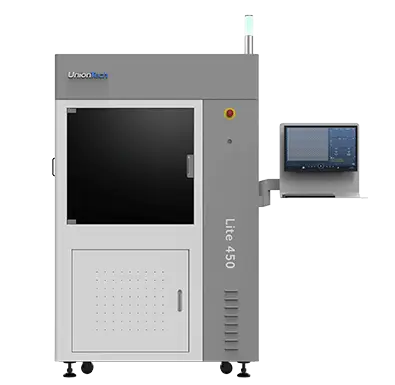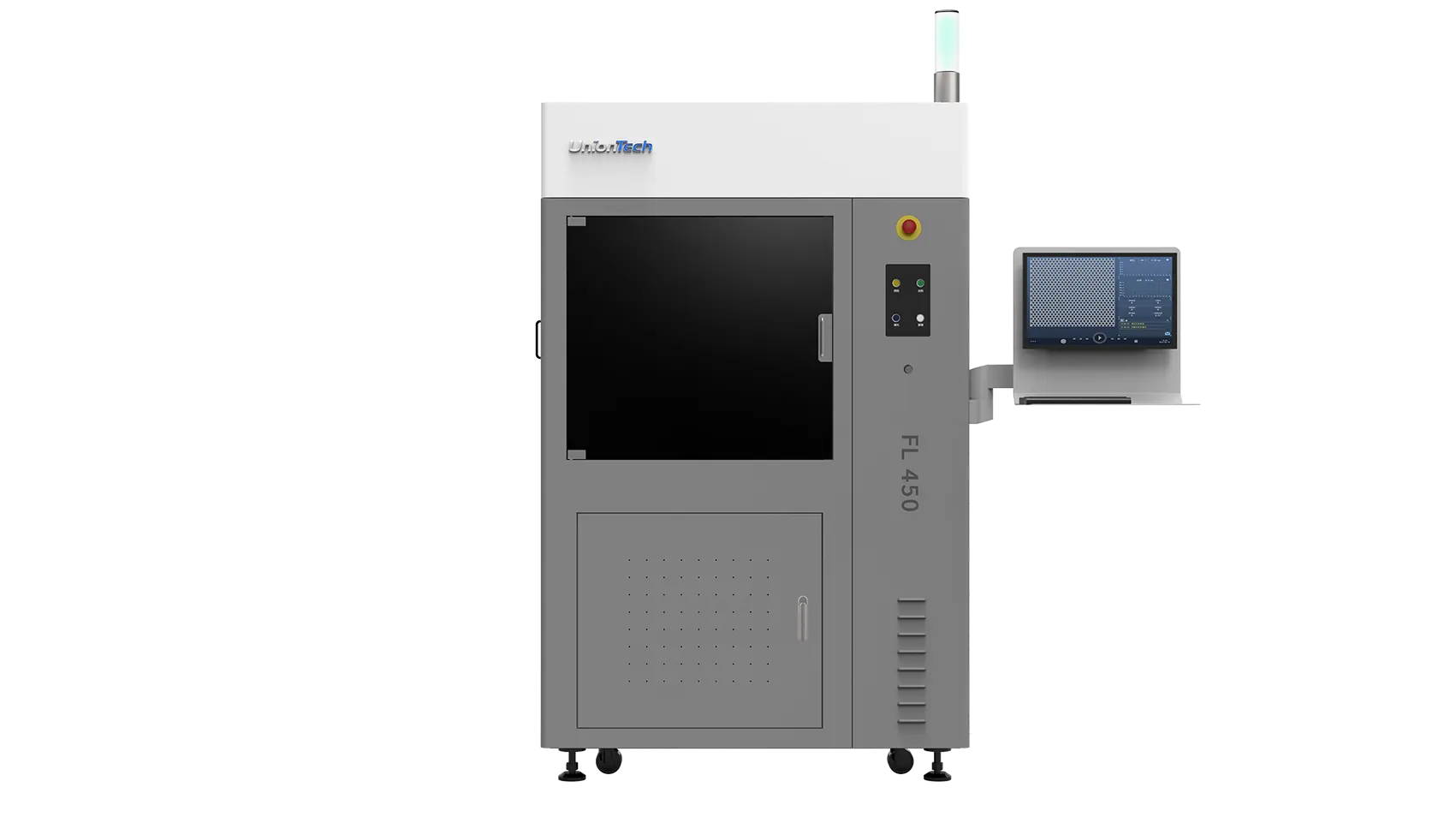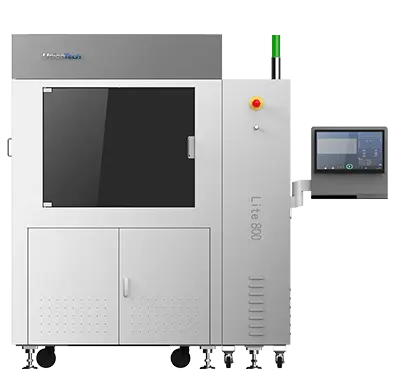
At UnionTech, automotive lighting projects often involve tight development timelines and frequent design updates. In this context, 3D printed car lights provide a practical way for teams to evaluate optical and structural designs without waiting for tooling. Instead of relying on fixed molds, engineers can directly produce prototypes from CAD data and quickly verify whether a concept meets both styling and functional expectations.
This shift is particularly useful when developing new vehicle models, where lighting elements must align with brand identity while meeting technical constraints such as heat management, light diffusion, and assembly fit.
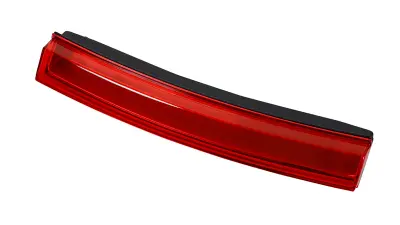
Lighting components require precise control over geometry, including internal channels, reflective surfaces, and outer lens textures. During early development, these features often need multiple adjustments. Additive manufacturing allows engineers to modify digital models and produce updated parts within short cycles, making it easier to compare variations side by side.
For example, teams can test different diffuser patterns or reflector geometries to evaluate light distribution performance. This approach reduces delays associated with traditional tooling updates and allows both design and engineering teams to review results earlier in the process. As a result, decisions are based on physical validation rather than assumptions from simulation alone.
In lighting applications, dimensional accuracy and material stability directly affect testing results. Even small deviations in geometry can change how light is reflected or transmitted. At UnionTech, our SLA systems are designed to maintain consistent resin curing and layer precision, which helps ensure that prototypes accurately represent the intended design.
Within a typical workflow, engineers use additive manufacturing to validate critical features such as housing alignment, lens clarity, and internal structure positioning. This reduces reliance on multiple rounds of CNC machining or soft tooling. When comparing 3D printed car lights with traditional prototype methods, the main advantage lies in faster turnaround and the ability to iterate without restarting the manufacturing process.
In real automotive programs, lighting components must meet both visual and functional requirements. Headlamp housings need to fit precisely within assembly constraints, while internal optical structures must deliver consistent illumination. Additive manufacturing supports these needs by enabling controlled prototype production before final tooling decisions are made.
Manufacturers can use this approach to evaluate fitment, assembly interfaces, and light behavior in a test environment. It is also useful for producing low-volume customized parts, such as special edition lighting elements or design verification samples. By validating these components early, teams can reduce design risks and improve communication between design, engineering, and manufacturing departments.
Customized automotive lighting development depends on how efficiently prototypes can be produced and tested. The use of 3D printed car lights allows teams to refine both structural and optical features before committing to production tooling.
At UnionTech, we focus on providing stable resin-based systems that support this process in real engineering workflows. By integrating additive manufacturing into lighting development, automotive manufacturers can shorten iteration cycles, improve validation accuracy, and better align design intent with production requirements.