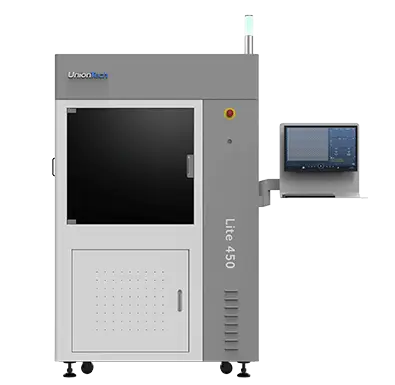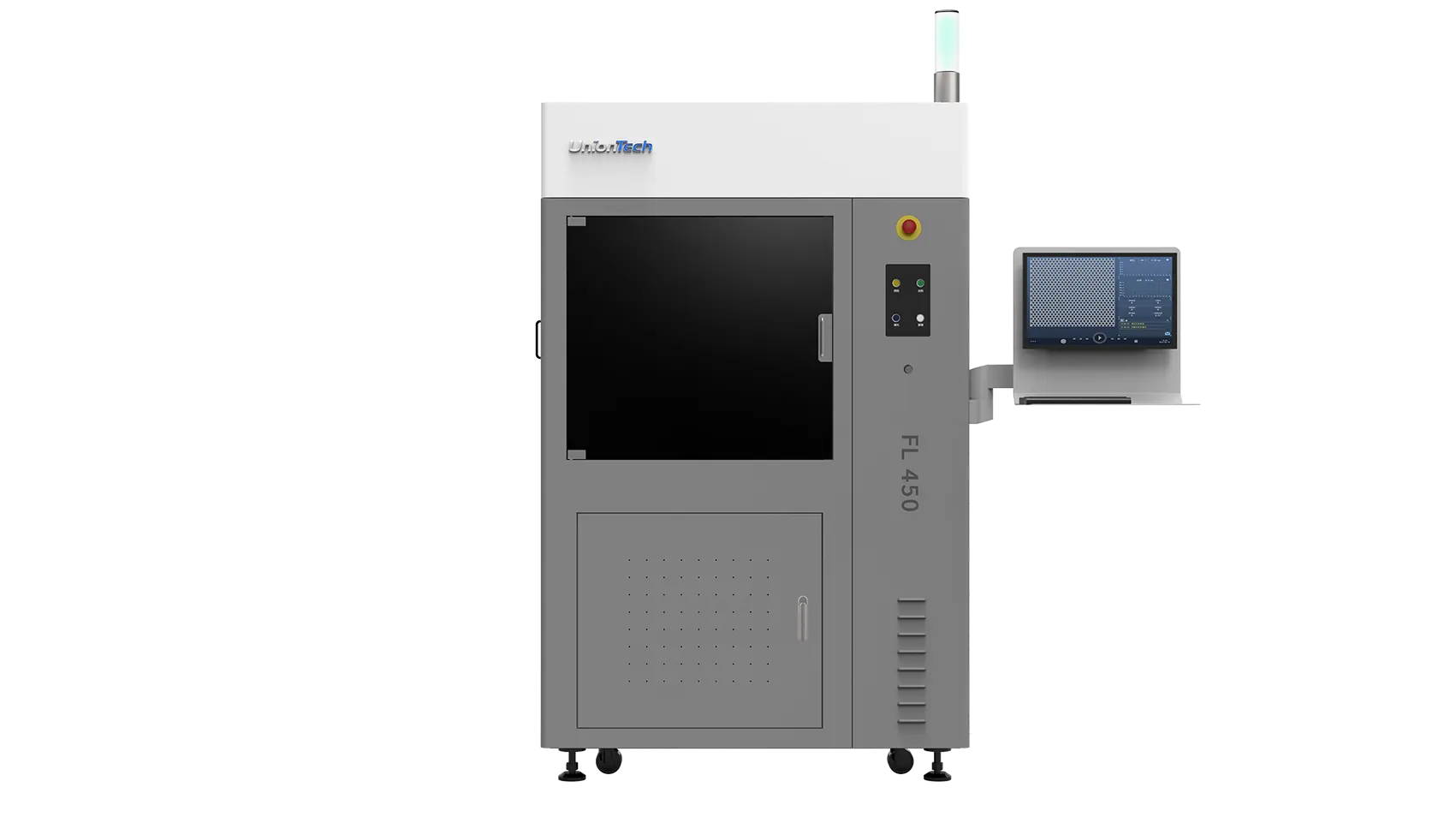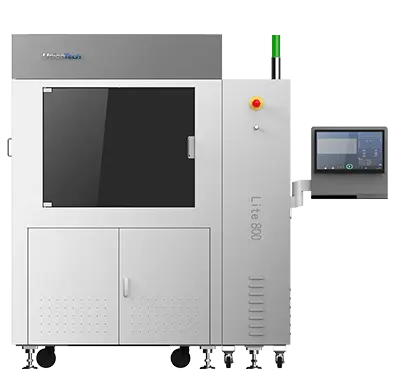
In our daily engineering practice at UnionTech, we often work closely with automotive teams that rely on SLA printing materials to move from concept models toward functional validation. In these scenarios, material selection is not only about achieving fine surface quality, but also about ensuring that printed parts can support assembly checks and early-stage performance evaluation. At the same time, carefully developed resin materials allow prototypes to reflect certain mechanical and structural behaviors, which makes them more useful in engineering workflows. From our perspective, understanding how materials interact with printing systems is essential when discussing how additive manufacturing contributes to automotive development processes.
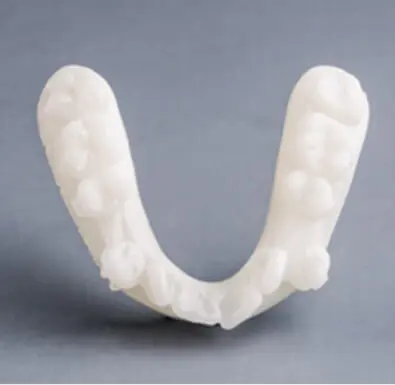
When we analyze functional verification requirements, we focus on how SLA printing materials behave under real testing conditions such as fitting, fastening, and repeated handling. In automotive prototyping, these steps often reveal whether a design is ready for further development. Different resin materials can be selected to simulate stiffness, flexibility, or surface durability depending on the test objective. At UnionTech, we ensure that our systems maintain stable exposure and motion control so that material properties remain predictable across builds. This consistency is important because even small variations in processing can affect how a part performs during validation tasks.
In practice, automotive prototypes cover a wide range of use cases, from interior components to structural brackets. This diversity requires a flexible material approach, where SLA printing materials can be matched to specific engineering goals without interrupting the workflow. Within our material portfolio, including options such as those in the Ortho Premier series, we provide resin materials designed for fine detail, dimensional accuracy, and certain functional characteristics. At UnionTech, we have observed that this approach allows engineers to evaluate fit, alignment, and partial load behavior in a controlled environment, which supports more informed design adjustments before moving to production methods.
From our experience at UnionTech, the contribution of SLA printing materials to automotive prototyping lies in their ability to support both geometric accuracy and functional insight. By selecting suitable resin materials, engineers can extend the role of additive manufacturing beyond visual models and into practical validation stages. We see that stable processing conditions, combined with a structured material system, help reduce variability and improve confidence in prototype testing. Overall, this integrated approach allows automotive teams to use additive manufacturing as a reliable step in their development process while maintaining efficiency and clarity in engineering decisions.