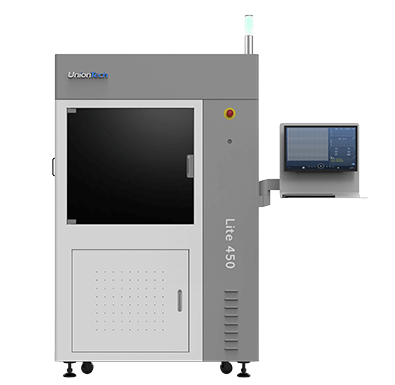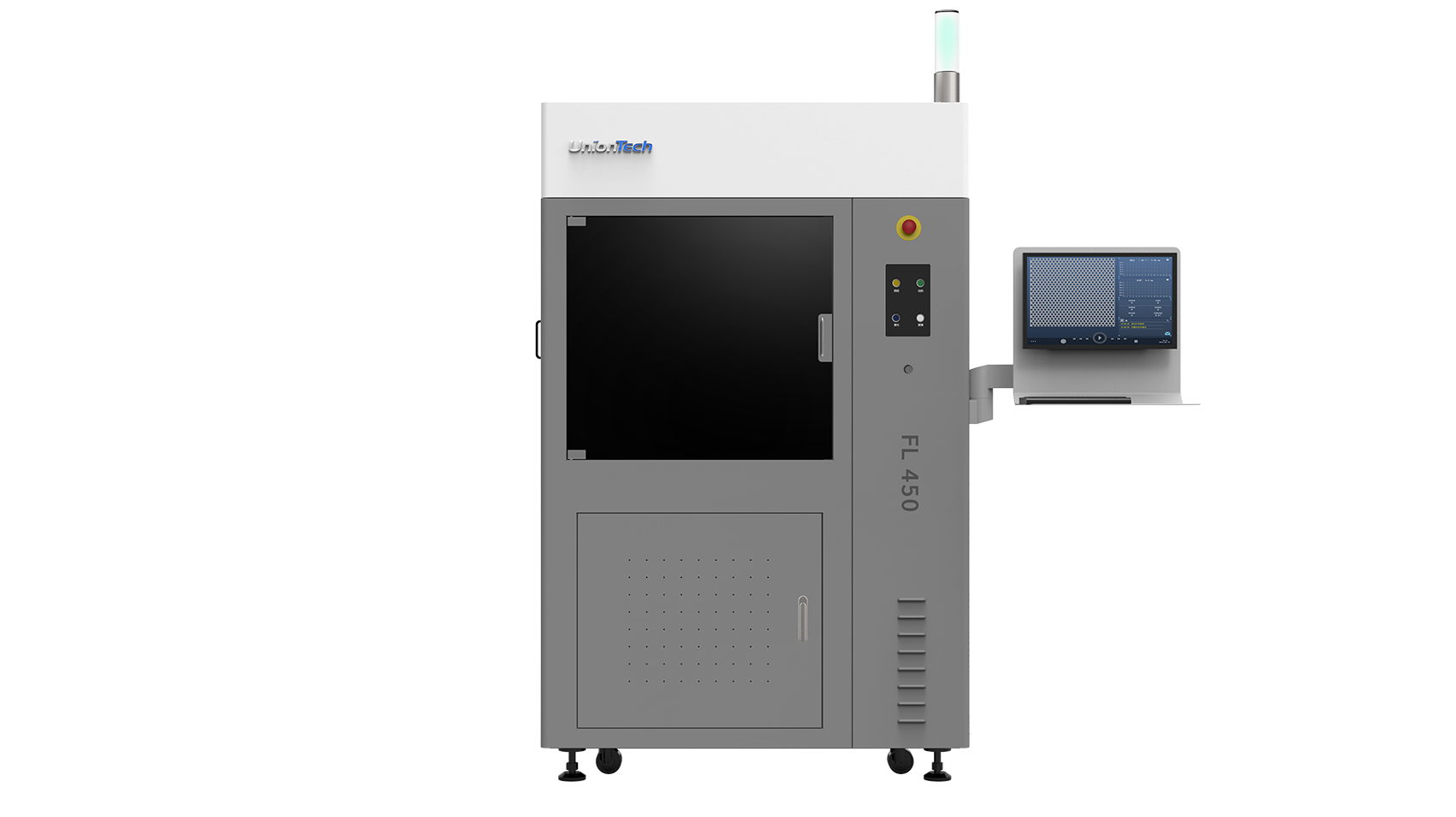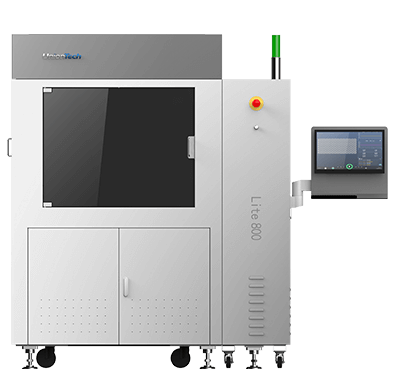
Searching for an industrial large format 3D printer isn’t like ordering office equipment. You’re making a production decision — one that will affect part quality, delivery schedules, and ongoing service costs for years. That changes where you should look and what you should expect from a supplier. A manufacturer or authorized regional partner will typically give you the technical consultation, application support, and post-sale accountability that an anonymous marketplace listing simply can’t.
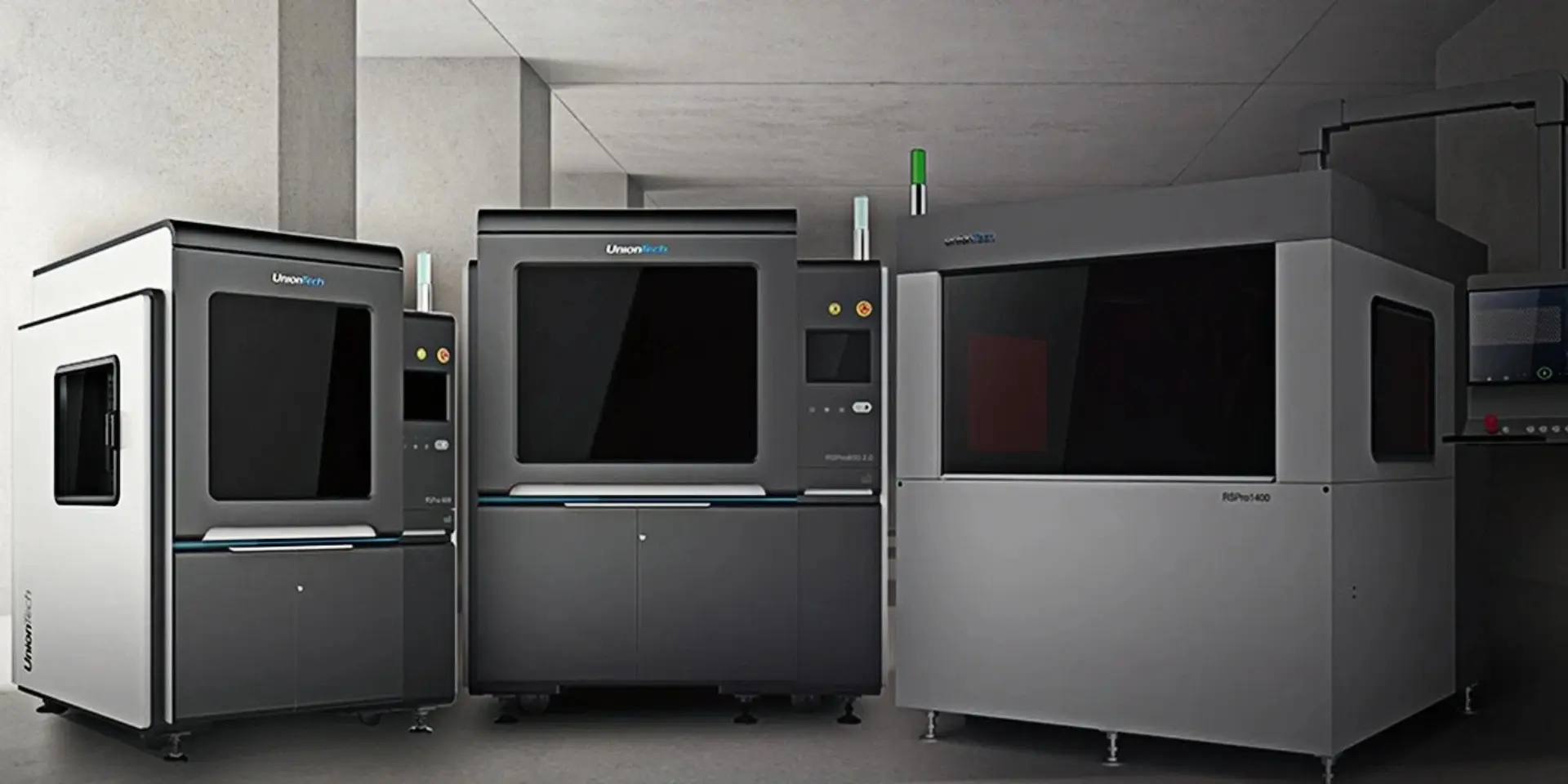
Where Should You Look for Large Format 3D Printers for Sale?
The most reliable sources for large format 3D printers are manufacturer websites, authorized distributors, industry exhibitions, and direct sales teams — each offering different levels of product detail and post-sale accountability. Marketplace listings may seem convenient, but industrial 3D printers involve site planning, operator training, material compatibility, and ongoing service — none of which a listing page can address. Start with the manufacturer website. Check whether the supplier lists real product lines, applications, software, materials, contact routes, and technical resources. Then confirm regional service coverage.
| Purchase Channel | Best Use | Main Risk |
| Manufacturer website | Direct product and application consultation | Requires time for quotation |
| Authorized distributor | Local sales, demo, and service support | Coverage varies by region |
| Trade show | Compare systems and meet engineers | Limited time for deep evaluation |
| Online marketplace | Basic price discovery | Weak technical and service visibility |
For buyers comparing large format 3D printers for sale, the right question isn’t “where’s the fastest listing?” — it’s “which supplier can actually support my production?”
How Do You Compare Industrial 3D Printers Before Requesting a Quote?
First, define the parts you need to print. Large display prototypes, automotive parts, architectural models, molds, and casting patterns may require different surface finish, volume, materials, and post-processing. Second, review the technology. SLA (stereolithography) is a strong fit for resin parts that need smooth surfaces, fine feature detail, and large-format capability. Other technologies may suit different strength or material requirements. Third, think through how the system will actually be operated. A machine that looks right on paper can still create problems if the software, slicing workflow, materials, and finishing steps don’t match your team’s capacity.
Use this checklist before asking for a final quote:
Working through this before requesting a quote helps avoid the most common buying mistake: choosing by size and price before confirming the workflow actually fits.
What Affects Industrial 3D Printer Price?
Industrial 3D printer pricing reflects more than hardware. Build volume, printing technology, optical and motion systems, software, materials, installation, training, and service support all factor in — and each one affects what it actually costs to produce a qualified part. The machine with the lowest purchase price isn’t always the cheapest to run. A large-format industrial printer commands a higher price because it’s engineered for larger parts and sustained production loads. But the purchase price is only part of the equation. What really matters is cost per qualified part. A machine that generates frequent failed prints, slow job preparation, or service delays can cost far more in practice than its sticker price suggests.
| Cost Item | Why It Matters |
| Machine configuration | Defines build size, accuracy, and production capacity |
| Materials | Affects part performance and recurring cost |
| Software | Influences preparation time and operator efficiency |
| Installation | Reduces risk during setup and first production runs |
| Training | Helps operators avoid preventable errors |
| Service | Protects uptime and delivery schedules |
When evaluating price, ask suppliers to connect the quotation to your expected part size, material use, throughput, and support requirements — not just hand over a model-based price list.
Why Should You Consider UnionTech for Industrial Large Format 3D Printing?
Buying an industrial large format 3D printer involves more than selecting a model — it requires a supplier who understands your application, can guide material selection, supports software setup, and stays accountable through installation and beyond. UnionTech approaches the sale as a production consultation, not a transaction. UnionTech supplies industrial 3D printers, materials, software, and printing services as an integrated ecosystem — meaning buyers can evaluate not just which machine to choose, but how the complete system fits their production needs. For large-format resin printing, UnionTech’s industrial SLA solutions serve applications across prototyping, automotive, aerospace, footwear molds, tire molds, dental, medical, and investment casting.
If your team is evaluating an industrial large format 3D printer, contact UnionTech with your part size, application requirements, material needs, and region — and the team will help identify the most suitable solution for your production context.