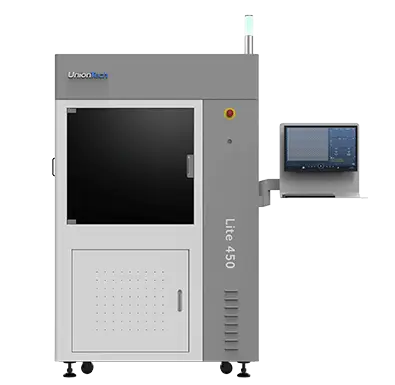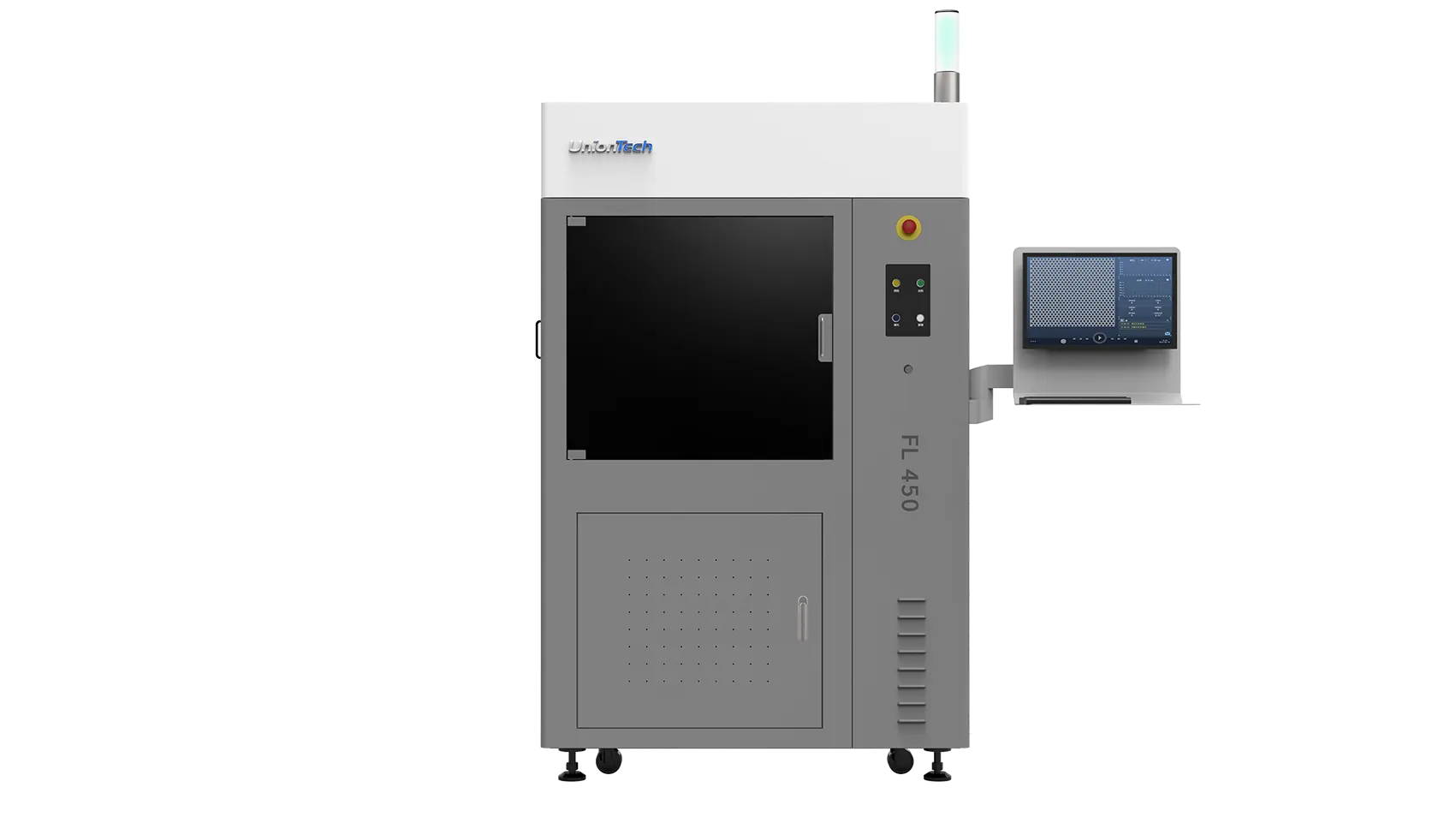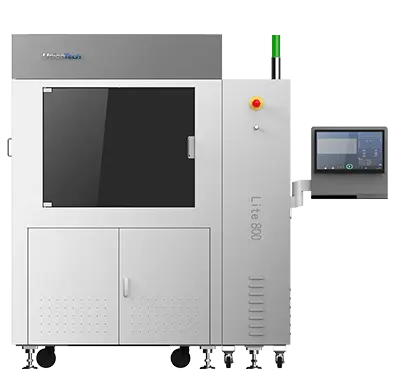
As a global industrial 3D printer supplier, we at UnionTech are often asked the same question by engineering teams and procurement specialists: how durable are additively manufactured components? The answer isn’t a single number—it depends on materials, applications, and environmental conditions. In real-world applications, the service life of 3D printed parts can vary widely depending on material selection, load conditions, and environmental exposure. Understanding these variables is essential for any business serious about integrating additive manufacturing into production workflows.
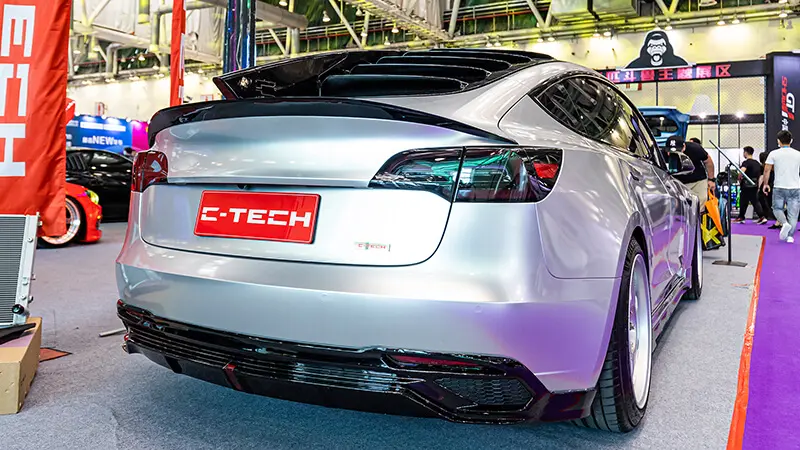
When customers evaluate 3D printing in the automotive industry, they assume that lifespan equals mechanical strength alone. In practice, longevity involves UV resistance, thermal cycling, chemical exposure, and mechanical fatigue. The real breakthrough comes from our ability to tailor material properties—adjusting flexibility, stiffness, and thermal behavior—so that a part’s predicted lifespan aligns precisely with its intended duty cycle.
As an experienced industrial 3D printer manufacturer, we’ve learned that process consistency directly impacts part durability. Variations in layer adhesion, curing depth, or support placement create microscopic stress risers that shorten functional life. Stable process control, proper parameter settings, and suitable post-processing help improve layer consistency and part durability. For 3D printing in automotive industry, this matters enormously. A 3D printed car wheel prototype subjected to dynamic load testing must survive thousands of simulated miles without delamination. With validated materials and suitable process parameters, 3D printed parts can be designed to meet specific strength and performance requirements for prototyping or selected end-use applications—and maintain dimensional stability under defined testing and operating conditions, depending on the selected material and post-processing method. The key difference: our one-stop solutions include not just printers but validated materials and post-processing protocols that eliminate hidden failure modes.
Consider 3D printed custom car parts like wing mirror housings or interior vent rings. Using UnionTech’s systems, one European modification shop produced 200 personalized grille inserts installed on daily-driven vehicles. After multiple seasonal cycles, properly designed and post-processed parts can maintain stable performance in suitable automotive customization applications. Similarly, 3D printed car accessories such as dashboard mounts and bespoke switch panels maintained structural integrity after 50,000 km of vibration testing. These results stem from our rigorous parameter tuning—matching each resin’s glass transition temperature to the component’s thermal environment.
At UnionTech, we don’t believe in guessing when parts will fail. We provide lifecycle simulation data alongside every industrial system. Whether you need short-run bridge tooling lasting 500 cycles or end-use 3D printed car wheels surviving a decade of road salt and potholes, our additive manufacturing solutions deliver predictable performance. The real lifespan of a 3D printed part isn’t a mystery—it’s an engineered outcome. Partner with us, and you’ll never have to ask “how long?” without a data-backed answer.