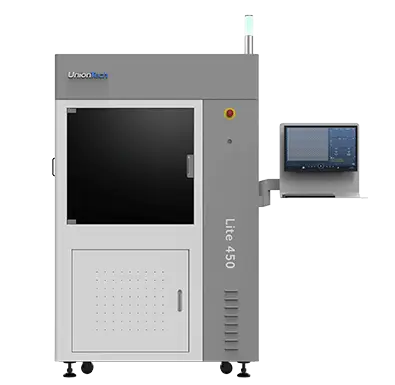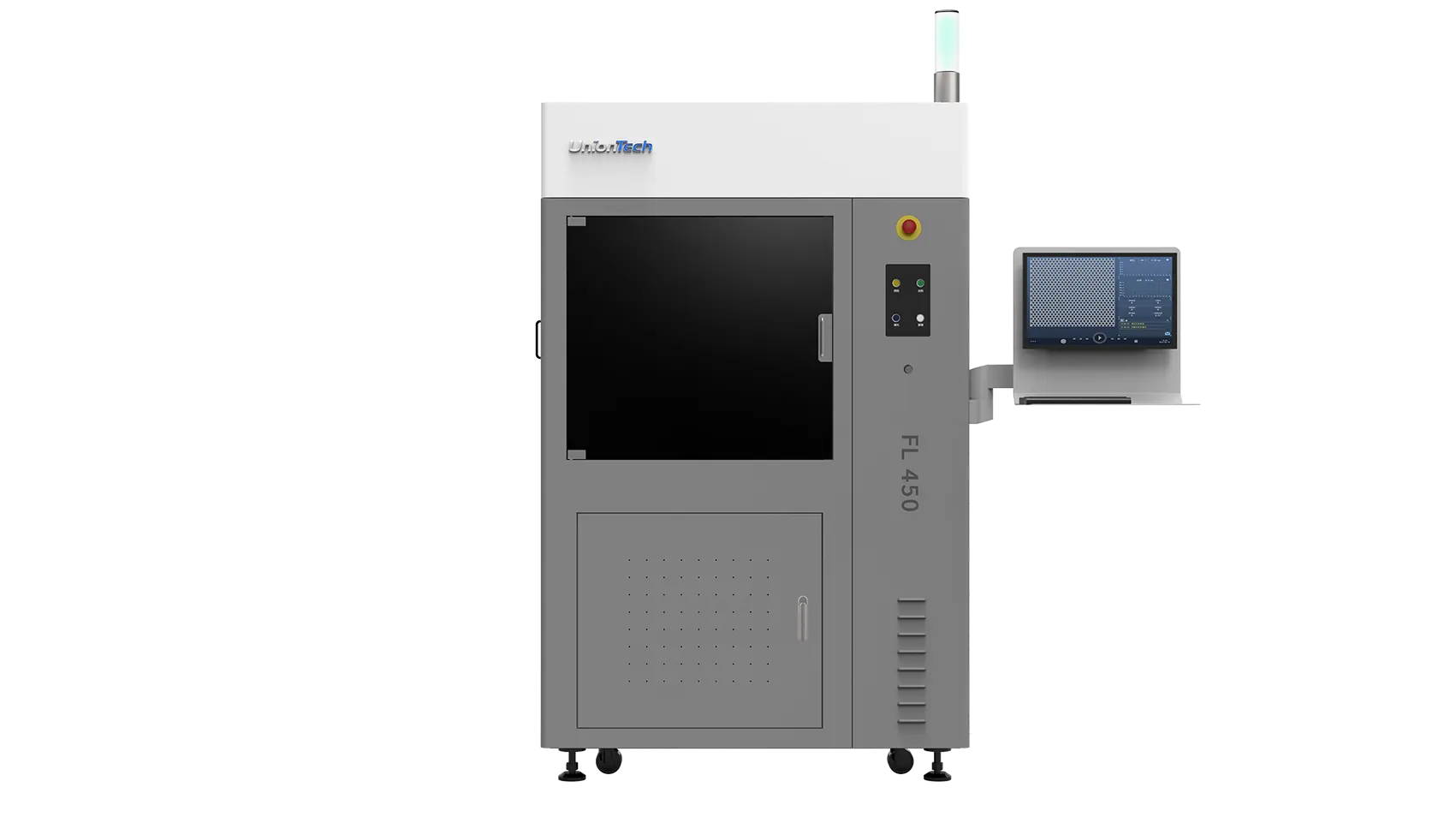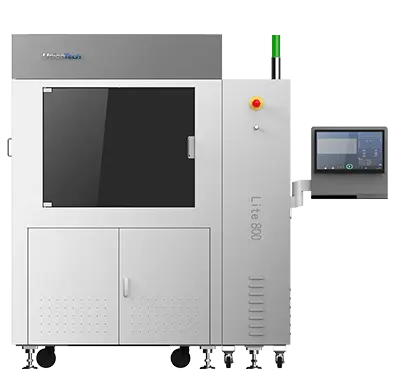
In modern manufacturing systems, additive manufacturing is increasingly used as a process layer rather than a replacement for conventional production methods. At UnionTech, we work with industrial users who evaluate how digital fabrication fits into existing production chains. A stereolithography 3D printer is typically introduced at stages where design verification and structural testing are required before tooling investment. In these applications, the main objective is to confirm geometry and functional feasibility rather than produce final-volume parts.
In practical production environments, additive systems are usually integrated upstream of machining or molding processes. Engineers use them to validate dimensions, test assembly interfaces, and check surface continuity. This reduces the risk of redesign after tooling has already been manufactured, which is often more costly and time-consuming.
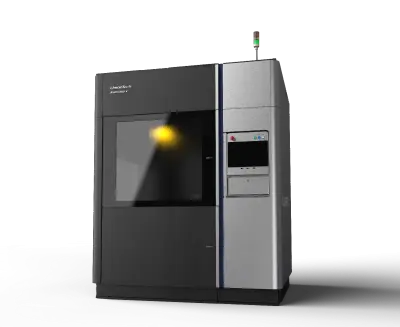
Additive manufacturing provides measurable value in early product development where design changes occur frequently. During this phase, tooling lead time and cost can restrict how many design variations are tested. By using a stereolithography 3D printer, engineers can produce physical models directly from CAD data and evaluate structural behavior before final production decisions are made.
In practice, this is especially useful for components with complex internal structures or surface-driven performance requirements. Instead of relying only on simulation outputs, teams can inspect real parts to verify whether wall thickness, curvature transitions, and assembly interfaces match design expectations. This helps reduce uncertainty when moving from concept to production-ready design.
Even with increasing adoption of additive processes, conventional manufacturing methods remain the backbone of mass production. Processes such as injection molding and CNC machining are still required when production volume is high and unit cost efficiency becomes the primary constraint.
In industrial workflows, additive manufacturing does not replace these methods but supports them by reducing iteration cycles before tooling begins. At UnionTech, we position the stereolithography 3D printer as a validation tool that improves upstream decision-making. This allows manufacturers to finalize designs with fewer revisions during later production stages, where changes are more expensive and time-sensitive.
When developing systems such as the RSPro800 X, we focus on maintaining dimensional stability, resin consistency, and predictable curing behavior. These factors are important when printed parts are used for functional evaluation rather than visual confirmation alone. In industrial environments, consistency across multiple builds is required so that test results remain comparable across different design iterations.
Additive systems are also evaluated based on how well they integrate into existing production workflows. This includes compatibility with post-processing steps, measurement systems, and downstream machining operations. When properly integrated, they reduce delays between design updates and physical validation without requiring changes to the entire production structure.
Additive manufacturing is not replacing traditional production but operating alongside it in a structured role. At UnionTech, we observe that its value lies in improving early-stage validation and reducing iteration time before tooling decisions are made. A progress in additive manufacturing is most effective when used for design verification, helping manufacturers confirm geometry and function before committing to mass production.
Overall, modern production strategies rely on a combination of additive and conventional methods. Each serves a different stage of the workflow, and their combined use allows manufacturers to balance flexibility, cost efficiency, and scalability in product development.