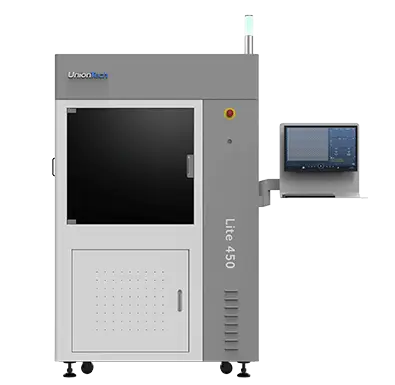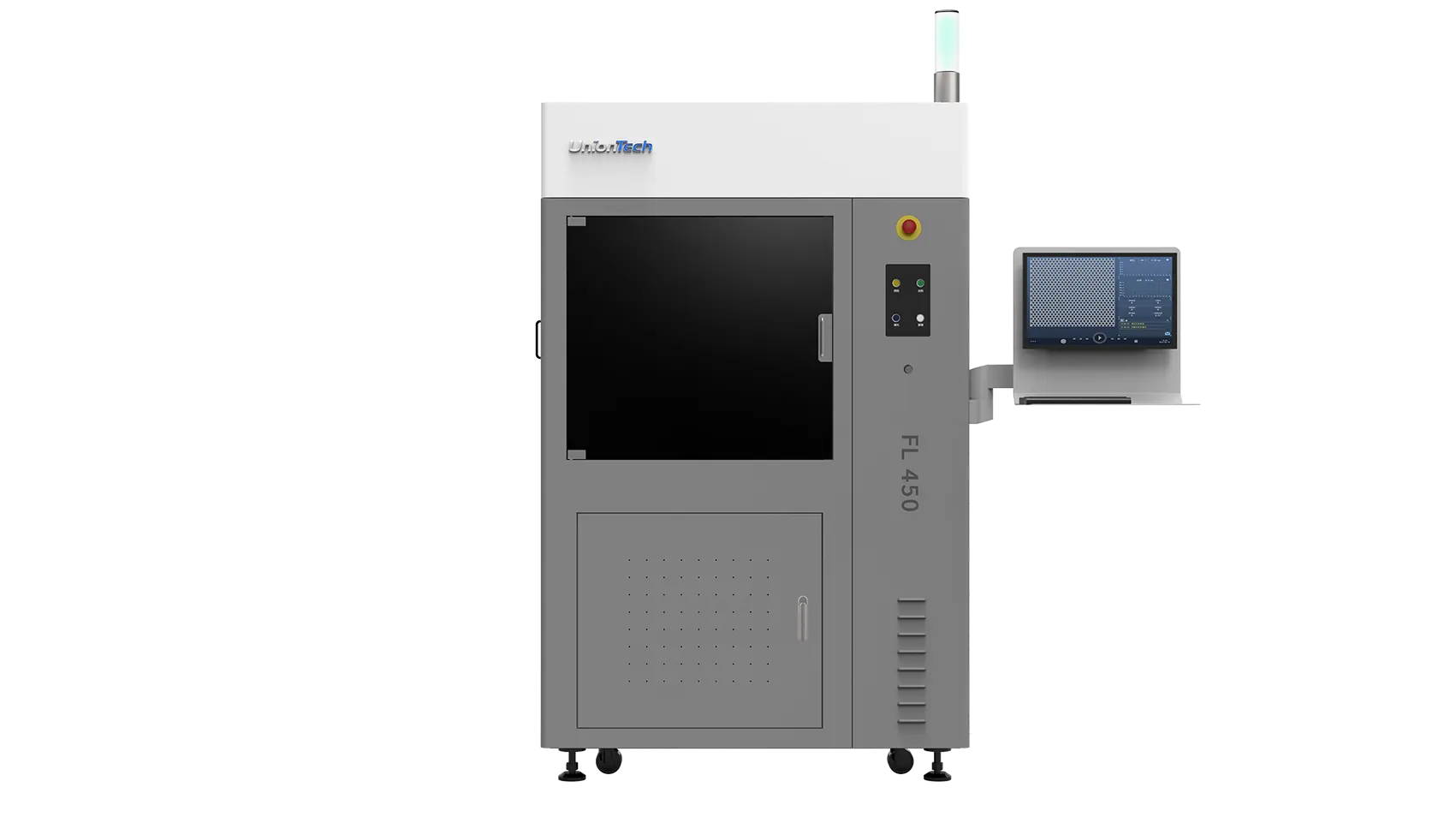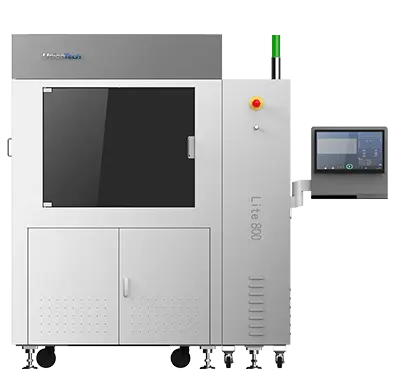
At UnionTech, we provide a comprehensive range of additive manufacturing solutions, including SLM, DLP, and LCD technologies. However, when it comes to balancing large-scale production, surface quality, and long-term operational costs, the SLA 3D printer remains the gold standard for most industrial applications. As a leading industrial 3D printer manufacturer, we often help clients analyze their Total Cost of Ownership (TCO). While different technologies suit different needs, understanding why SLA continues to dominate the cost-efficiency curve is essential for any production-focused business.
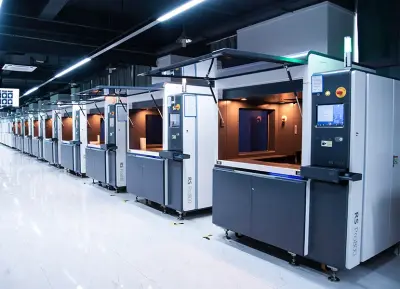
When evaluating an SLA 3D printer, the cost advantage becomes clear in high-volume or large-part environments. Unlike LCD printers, which rely on consumable screens that require frequent and costly replacements, UnionTech’s SLA systems utilize high-stability solid-state lasers.
Longevity and Reliability: The laser source in an industrial SLA 3D printer offers a significantly longer lifespan than LCD or DLP light engines, leading to lower maintenance overhead and more predictable uptime.
Scale vs. Cost: As part size increases, the cost-per-part on an SLA 3D printer stays competitive, whereas DLP costs often scale poorly due to the complexity of maintaining light uniformity over large areas.
For companies choosing between metal (SLM) and polymer-based systems, the cost structures differ vastly. While SLM is indispensable for functional metal components, the SLA 3D printer offers a much lower barrier to entry for high-precision patterns, housing, and large-scale prototypes.
Reduced Post-Processing: SLA parts require significantly less manual finishing than SLM parts, drastically reducing labor costs—a major component of industrial 3D printing expenses.
While UnionTech also offers DLP and LCD solutions for specific high-speed or entry-level needs, we advise industrial users to look at the “hidden costs”:
LCD Systems: Low initial hardware cost, but high “hidden” costs in screen replacements and potential variability in print consistency over time.
DLP Systems: Excellent for small, intricate parts, but often limited by build volume compared to the expansive platforms available on an industrial SLA 3D printer.
For customers, the SLA 3D printer represents a “set-and-forget” reliability that minimizes the risk of production delays, which is often the most significant hidden cost in any manufacturing workflow.
In conclusion, while we support various technologies, the SLA 3D printer typically offers the best ROI for industries requiring a mix of precision, large build volumes, and material versatility. As an experienced industrial 3D printer manufacturer, UnionTech’s goal is to ensure your technology choice aligns with your long-term financial and production goals. By focusing on lifecycle costs rather than just the initial price tag, it becomes clear why SLA remains the preferred choice for industrial leaders worldwide.