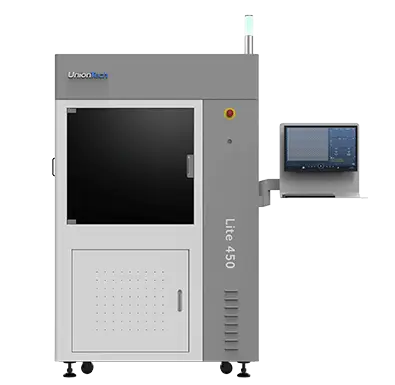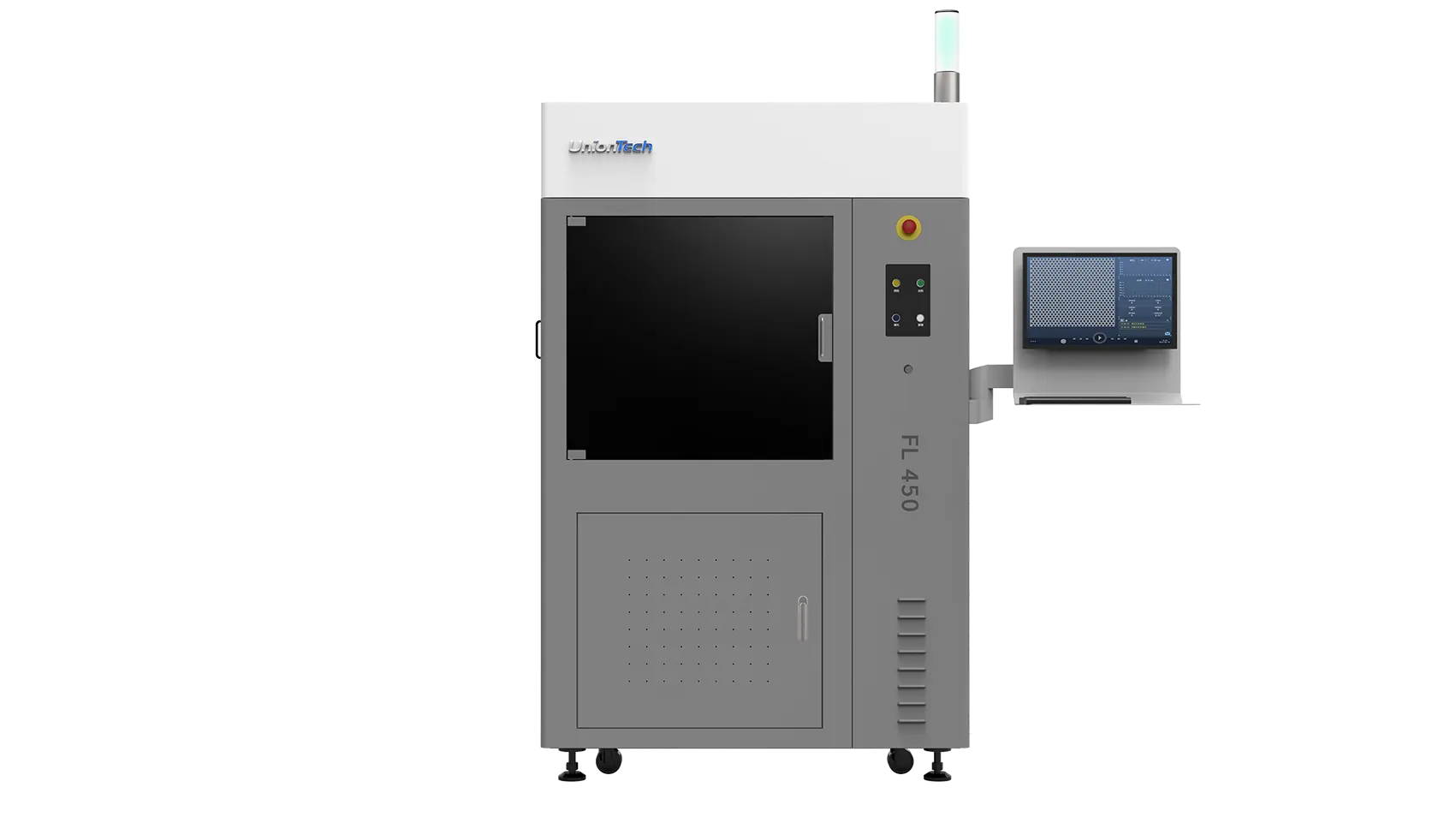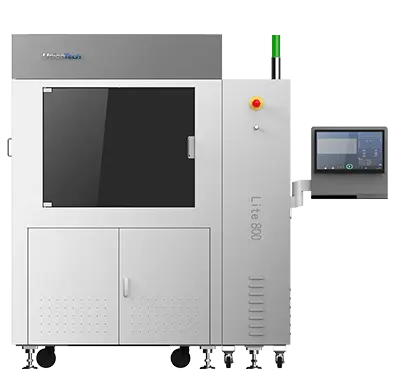
At UnionTech, we have spent years helping engineers and product developers bridge the gap between rapid prototyping and real-world performance. One question we hear constantly is whether SLA printing materials can truly withstand high-temperature environments. The answer depends on the required temperature range, exposure time, load conditions, resin selection, and post-processing. UnionTech, a global industrial 3D printer manufacturer, has advanced the adoption of 3D printing technology from laboratory research to large-scale commercial applications in China. Our expertise lies in providing one-stop solutions that transform design concepts into tangible results. In this article, we explain how our resin materials, particularly Ultra-RC70, meet demanding thermal requirements while maintaining mechanical integrity.
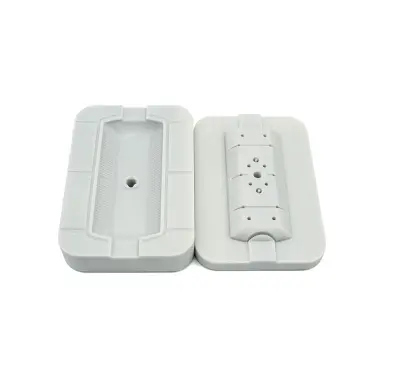
Standard SLA printing materials excel at producing high-fidelity visual models, but high-temperature applications require far more. Components such as under-hood automotive parts, electronic housings, and fluid handling devices must retain dimensional stability and strength when exposed to sustained heat. As an industrial 3D printer manufacturer, UnionTech has developed resin materials specifically engineered to address these challenges. Our approach combines precise photopolymer chemistry with optimized printing workflows, ensuring that parts not only look right but also perform reliably under thermal stress. Without the right resin, even the most accurate 3D printer for prototyping will fail to produce functional parts for high-temperature validation.
Among our portfolio of resin materials, Ultra-RC70 stands out as the most ABS-like SLA resin available. It offers a high thermal deformation temperature (HDT) of 69.5°C, making it an excellent choice for applications that demand heat resistance alongside mechanical robustness. Beyond thermal performance, Ultra-RC70 delivers good surface quality, high tensile strength, high IZOD impact strength, proper elongation, and strong anti-aging properties. These characteristics allow it to be used for functional verification and even direct manufacturing of end-use accessories. In many cases, Ultra-RC70 can approximate selected ABS-like properties in suitable prototyping or low-volume applications, especially when prototyping or producing low-volume parts that must withstand elevated temperatures.
Ultra-RC70 is not limited to prototyping alone. Because of its balanced thermal and mechanical profile, we have seen clients use this material for functional testing of assemblies that experience moderate heat cycles, as well as for final production parts in non-critical thermal environments. Common applications include automotive interior components that see summer heat, industrial jigs and fixtures near warm machinery, and electronic device enclosures. By choosing UnionTech as their industrial 3D printer manufacturer, customers gain access to resin materials that expand what SLA technology can achieve. We ensure that every material recommendation aligns with the specific thermal and mechanical demands of the project, enabling comprehensive evaluation of product appearance, structural integrity, and assembly feasibility at every development stage.
High-temperature applications no longer force engineers to abandon SLA printing for slower, more expensive processes. With resin materials like Ultra-RC70, UnionTech proves that SLA can deliver both speed and thermal performance. When you partner with an industrial 3D printer manufacturer that understands material science as deeply as machine engineering, you gain the confidence to prototype, test, and even produce functional parts that withstand real-world heat. We invite you to explore how UnionTech’s one-stop additive manufacturing solutions—from precision hardware to advanced resin materials—can help you meet your most demanding thermal requirements without compromise.