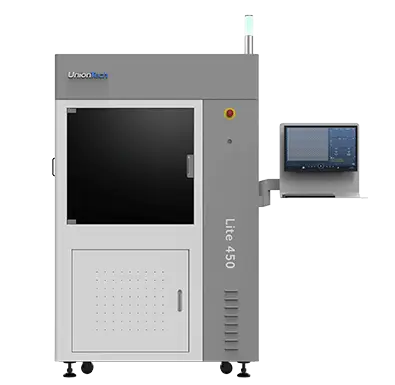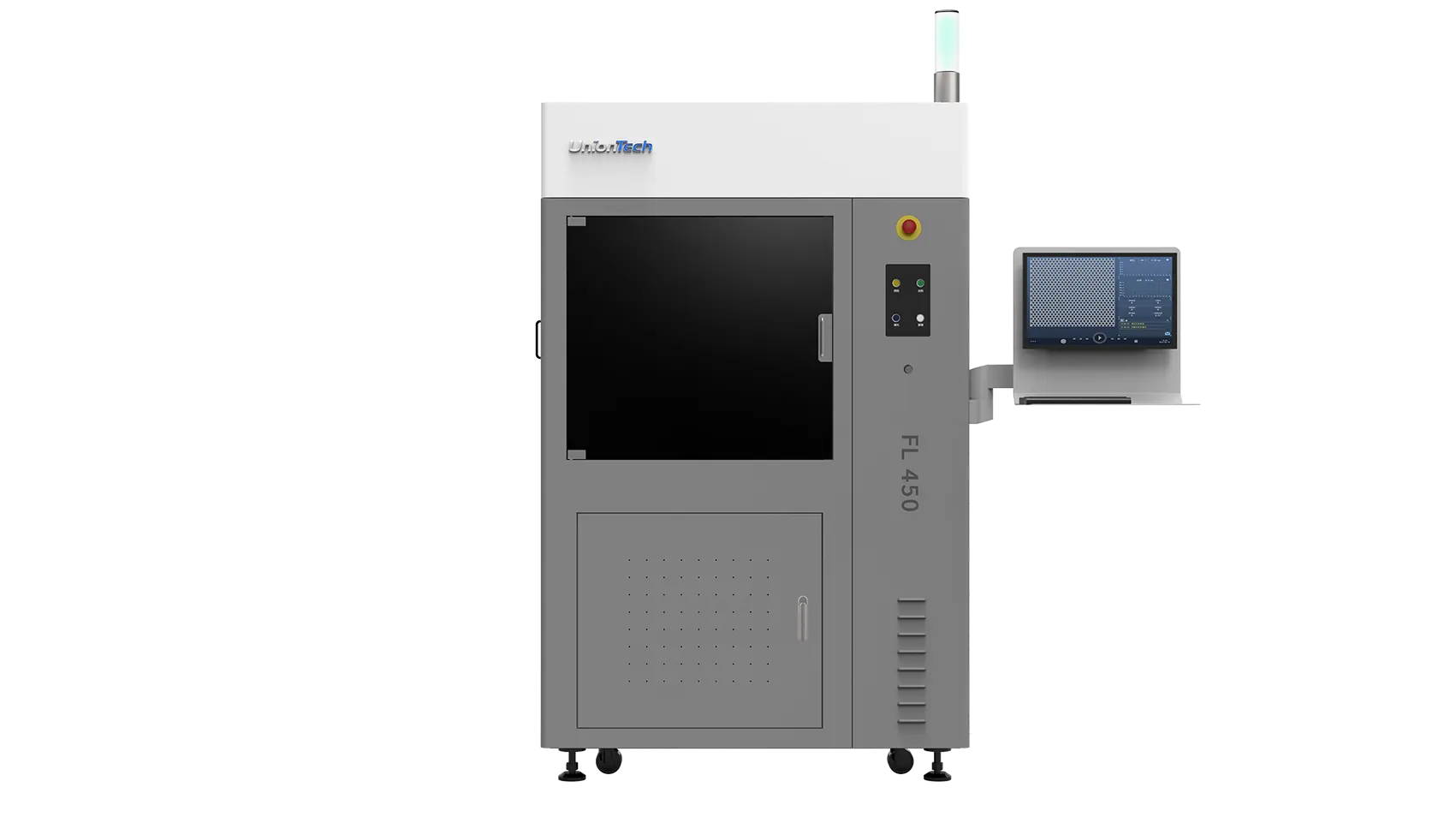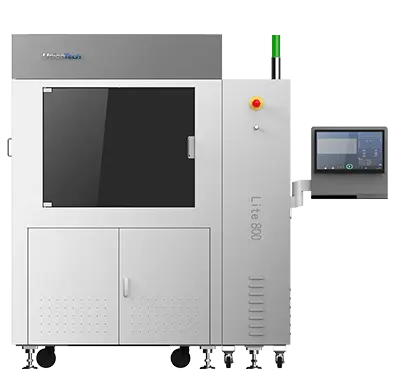
Speed and flexibility have become critical advantages in modern tire manufacturing. As market demand shifts toward customized tread designs, shorter product cycles, and smaller production batches, manufacturers can no longer rely solely on traditional tooling methods. Conventional workflows involving CNC machining, electroforming, chemical etching, and manual finishing are often time-consuming and labor-intensive, with a single mold production cycle taking two to three weeks to complete. These delays increase operational costs and limit production responsiveness.
By adopting 3D printing for tire mould applications, manufacturers can dramatically shorten lead times while improving production agility. As a global industrial 3D printer manufacturer, UnionTech helps businesses streamline mold development through advanced additive manufacturing technologies designed for industrial-scale performance.
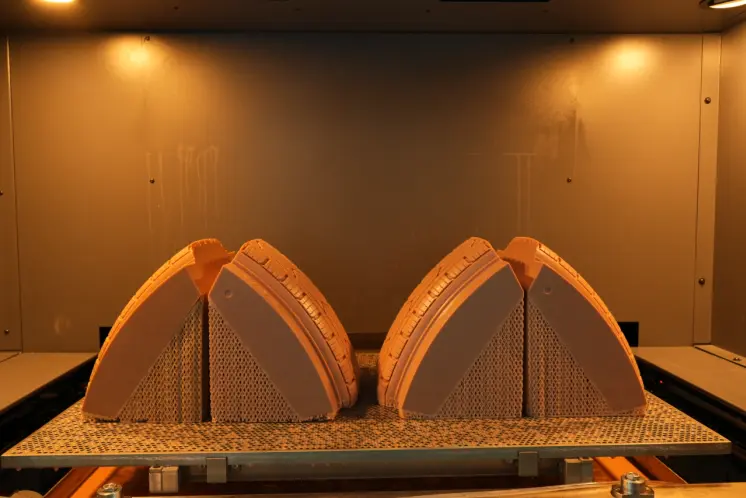
Traditional tire mold manufacturing frequently involves multiple machining stages, manual modifications, and repeated adjustments before the final mold is approved. This process not only slows production but also increases labor expenses and material waste.
With modern 3D printing for tire mould production, manufacturers can simplify these workflows significantly. High-performance SLA systems allow precise master molds or mold-related components to be produced from digital files, reducing dependency on complex machining procedures. Design updates can also be implemented immediately without restarting the entire tooling process.
As an experienced industrial 3D printer manufacturer, we understand how important production efficiency is for tire manufacturers facing tight deadlines. Advanced additive manufacturing solutions help shorten development cycles from weeks to days, enabling faster product launches and quicker response to changing market requirements.
Market fragmentation has created increasing demand for customized tire designs and limited production runs. Traditional tooling methods are often optimized for mass production, making them less suitable for frequent mold changes or small-batch orders. This mismatch can lead to excess inventory, higher storage costs, and reduced profitability.
Using 3D printing for tire mould applications provides manufacturers with far greater flexibility. SLA 3D printing technology enables rapid design iteration and fast mold adjustments without the need for expensive retooling processes. Manufacturers can efficiently produce customized molds, test new tread concepts, and refine designs while minimizing operational disruption.
At UnionTech, we deliver comprehensive additive manufacturing solutions that support scalable and flexible production. Our portfolio includes advanced SLA, DLP, LCD, and SLM systems, along with high-performance materials and intelligent software platforms such as UT ONE and Polydevs. These integrated solutions help businesses optimize workflows and maintain consistent manufacturing quality.
Future-ready manufacturing requires more than faster equipment. Companies need a reliable industrial 3D printer manufacturer capable of delivering complete solutions for evolving production demands. At UnionTech, we provide industrial 3D printers, specialized materials, software, and technical support for industries including automotive, aerospace, footwear molds, and 3D printing for tire mould applications.
By replacing inefficient traditional workflows with advanced additive manufacturing technologies, we help manufacturers reduce lead times, lower labor costs, and improve production flexibility. As tire manufacturers continue to pursue faster and more adaptable production strategies, 3D printing will play an increasingly important role in achieving efficient and scalable mold manufacturing.