3D printing technology is revolutionizing various aspects of daily production and life, from small household appliance parts to large aerospace manufacturing. Among the diverse 3D printing technologies, Stereolithography (SLA) stands out for its industrial applications.
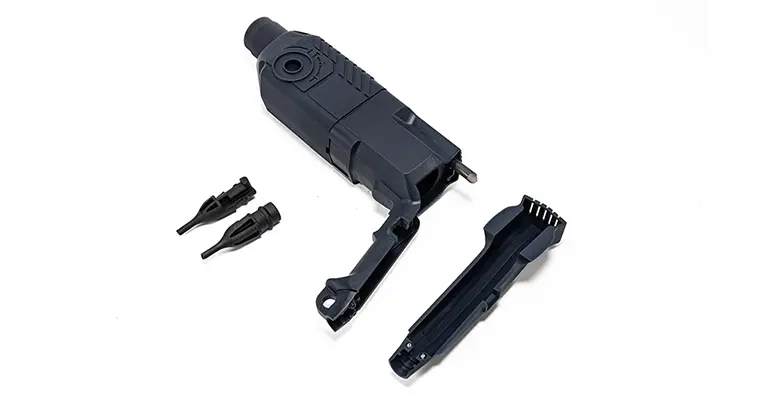
Consumer Electronic housing 3D printed by UnionTech
Understanding Additive Manufacturing
3D printing, or additive manufacturing, builds objects layer by layer, differing from traditional equal material and subtractive manufacturing. The target model is sliced into several layers and then printed sequentially, creating a complete object.
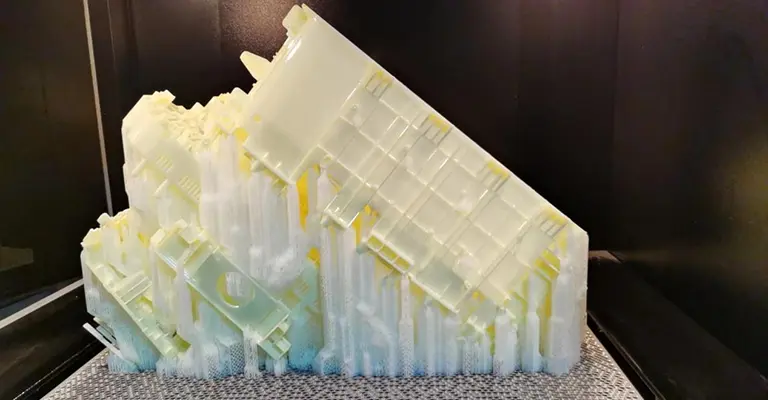
Consumer Electronic Parts 3D printed by UnionTech
How Stereolithography (SLA) Works
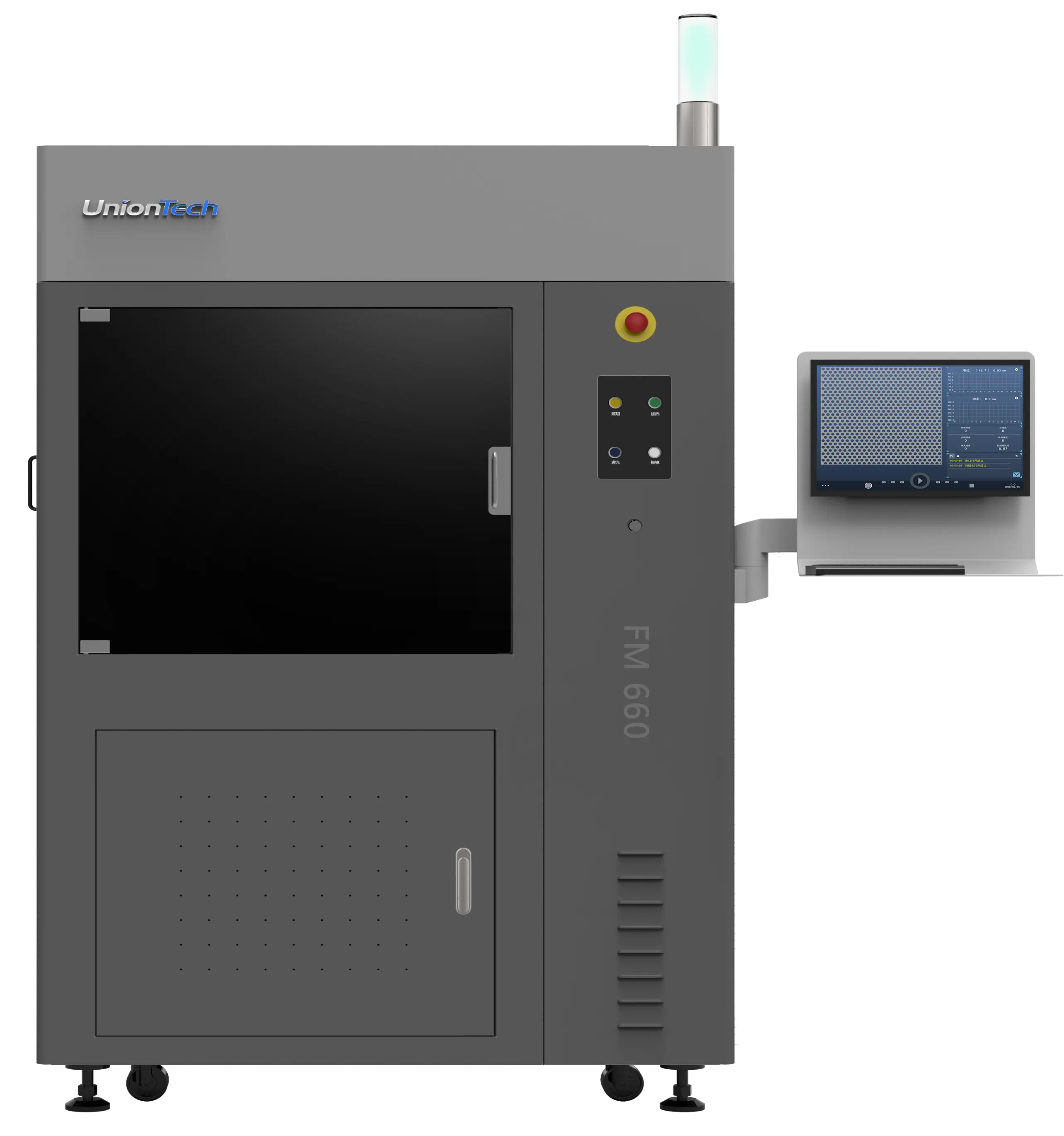
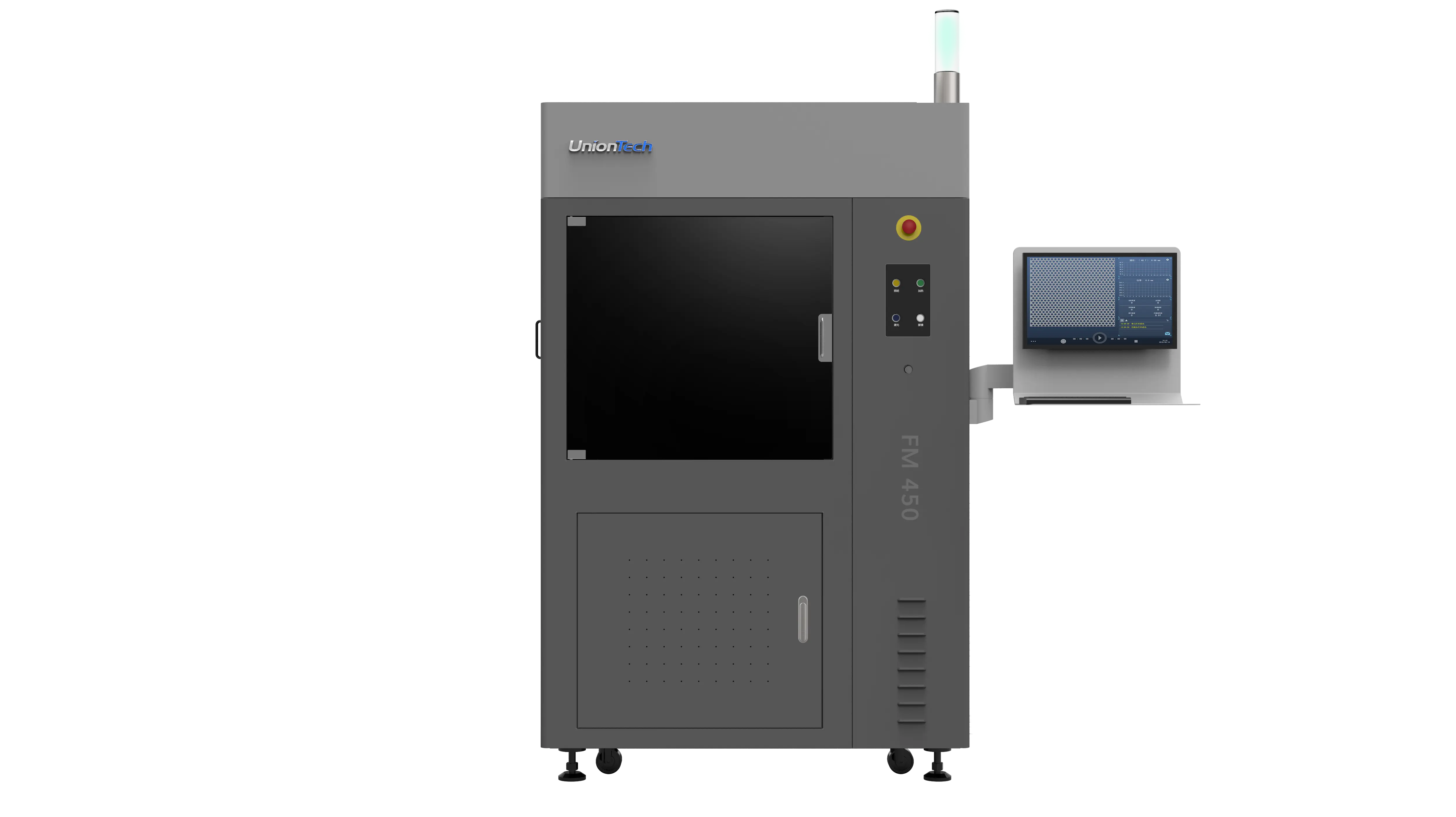
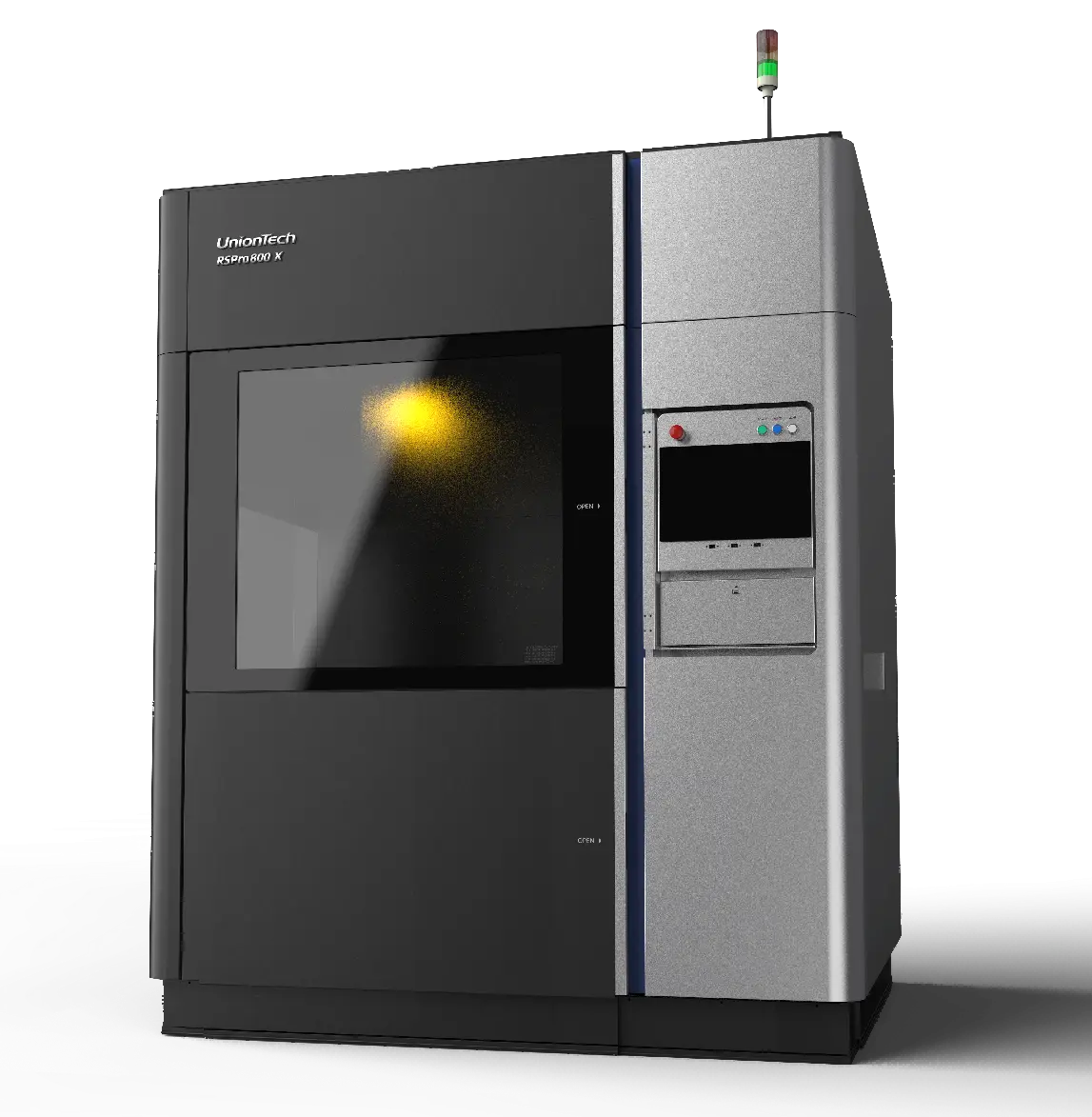
Stereolithography (SLA), also referred to as vat photopolymerization or resin 3D printing, is a process that uses light to cure liquid resin into rigid plastic. This principle is employed in UnionTech's RSPro series 3D printers. These printers feature a micron-level positioning system that enables precise and efficient material exposure, transforming points to lines and then to surfaces. By layering these surfaces, a specific model shape is achieved.
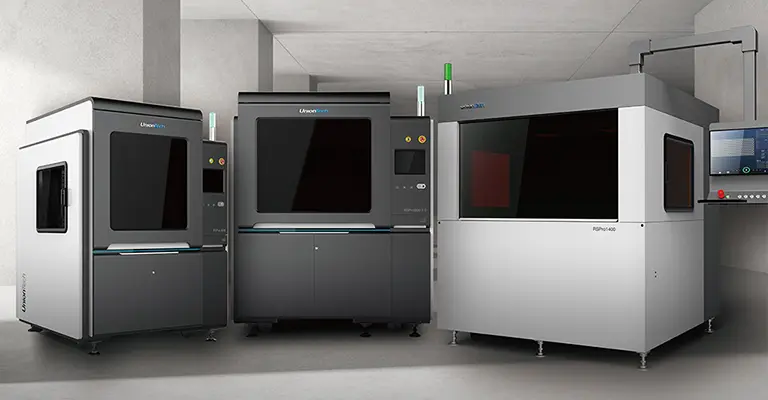
UnionTech Industrial SLA Systems – RSPro Series
Advantages of SLA 3D Printing
SLA 3D printing offers several key benefits:
Speed and Accuracy: It provides fast printing speeds with the highest resolution and accuracy.
Detail and Surface Finish: It delivers the sharpest details and smoothest surface finishes among 3D printing technologies.
Material Versatility: A wide range of innovative resin formulations are available, offering optical, mechanical, and thermal properties comparable to standard, engineering, and industrial thermoplastics.
These advantages make SLA 3D printers highly suitable for industrial-grade production, with a broad and promising market presence.
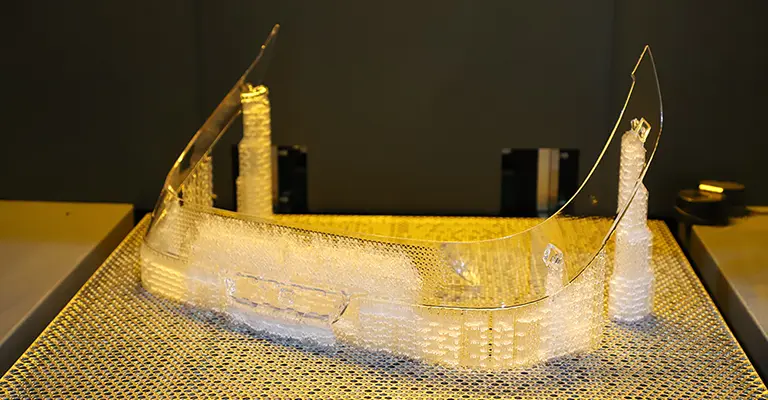
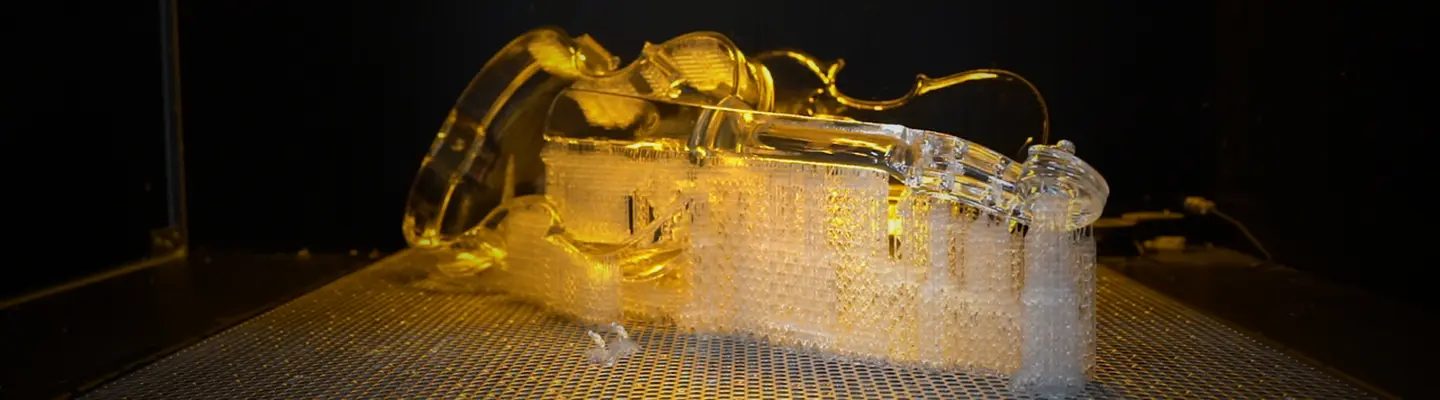
Transparent Parts 3D printed by UnionTech
Future of 3D Printing Technologies
As science and technology advance rapidly, 3D printing technologies such as SLM, SLS, DLP, and FDM continue to emerge, saturating the market. These future innovations are expected to enhance intelligence and convenience, expanding the benefits of 3D printing across a growing number of industries.