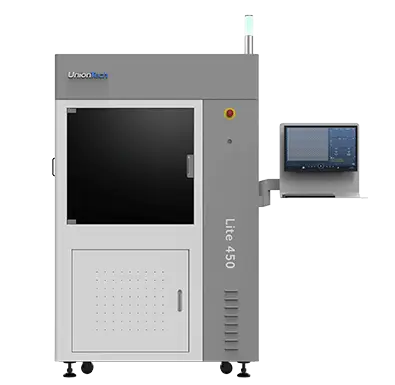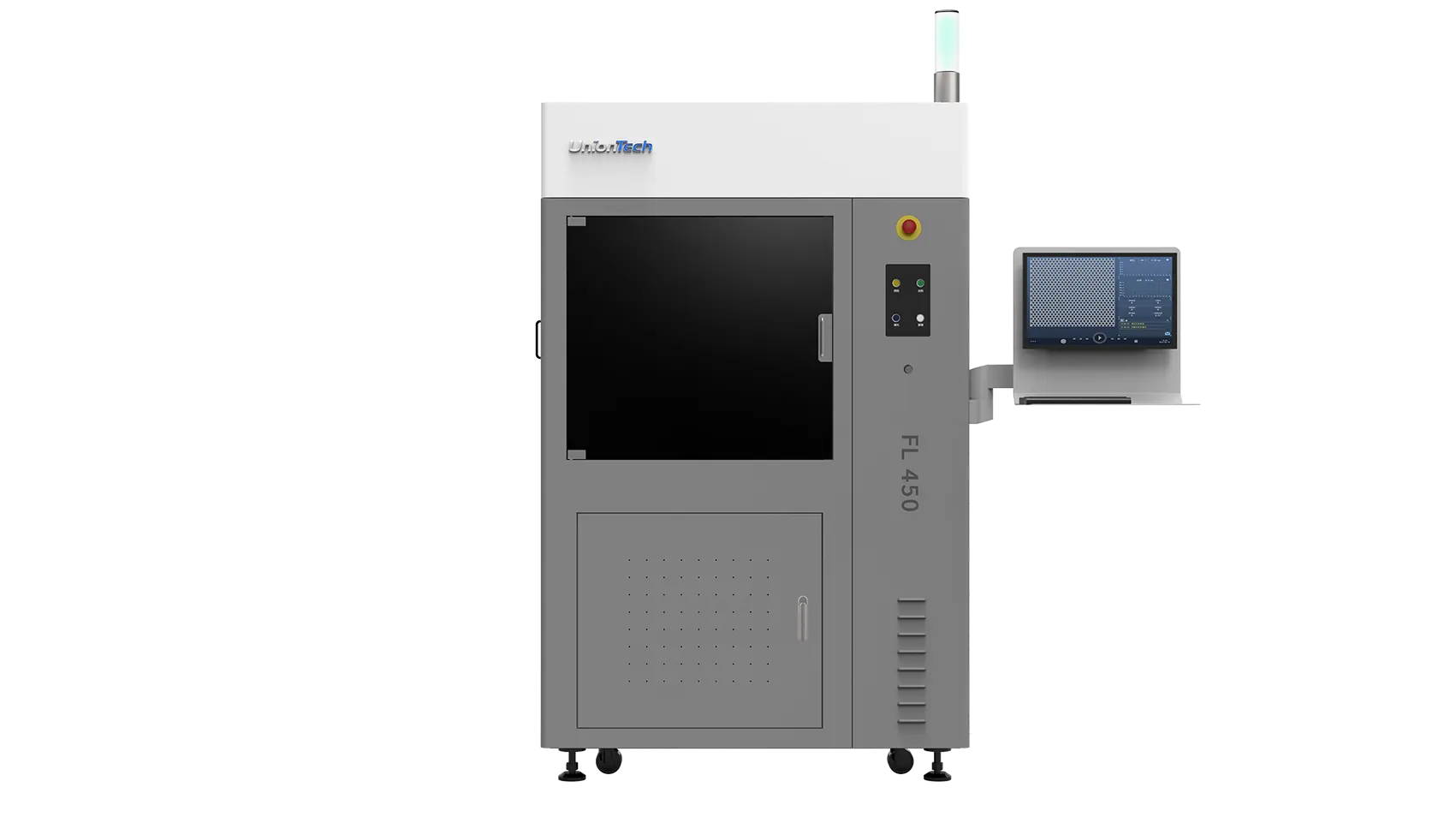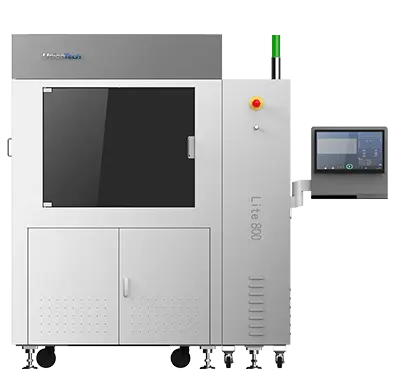
In tire development programs, mold accuracy directly influences product performance, including traction, wear behavior, and structural consistency. At UnionTech, we support manufacturers who apply additive manufacturing to validate mold designs before committing to final tooling. A 3D printed tire approach is often used during early-stage development to verify whether tread geometry and structural features meet design targets under controlled conditions.
This method is particularly valuable when working with complex tread layouts, where small geometric differences can significantly impact performance. By producing physical samples directly from digital models, engineers can evaluate design feasibility earlier and reduce the number of revisions required during later production stages.
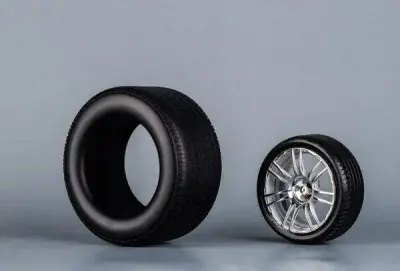
Winter tire molds require precise control of fine features such as siping structures and tread depth, which are critical for snow and ice performance. These elements must be accurately defined to ensure proper grip and water evacuation at low temperatures.
Using additive manufacturing, engineers can create detailed mold sections to examine edge sharpness, spacing, and structural balance. This enables direct validation of traction-related features without waiting for full tooling completion. For example, design teams can compare different siping patterns under simulated conditions to determine which configuration provides better contact stability.
Stable processing and consistent dimensional output are essential in this scenario, as even small deviations can affect performance evaluation results. By validating these features early, manufacturers can reduce uncertainties associated with winter-specific design requirements.
Off-road tire development places greater emphasis on durability and load distribution across aggressive tread patterns. Mold designs often include deep grooves and large tread blocks that must withstand harsh terrain conditions such as mud, rocks, and uneven surfaces.
Additive manufacturing allows engineers to produce test sections that replicate these complex geometries. Through physical evaluation, teams can analyze how tread blocks interact with different surfaces and identify potential stress concentration areas. This process supports more informed decisions when refining structural designs.
In addition, prototype molds can be used to study wear patterns and deformation behavior over repeated use cycles. Compared with traditional methods, this approach reduces the time required to validate design changes and improves overall development efficiency.
Racing tire molds require a balance between lightweight design and high structural precision. Performance optimization often depends on subtle adjustments to tread geometry and surface structure. Additive manufacturing provides a practical way to test these variations within short development windows.
By producing a 3D printed tire prototype, engineers can evaluate how design changes influence grip, heat distribution, and overall performance under simulated racing conditions. This allows rapid comparison of multiple design options without interrupting the broader development schedule.
Such workflows also improve collaboration between design and engineering teams, as physical samples provide a clear reference for discussion and refinement.
Across winter, off-road, and racing applications, tire mold development increasingly relies on early-stage validation to reduce risk and improve efficiency. Additive manufacturing supports this process by enabling fast, accurate production of complex geometries for testing and evaluation.
At UnionTech, we focus on delivering stable SLA systems that help manufacturers integrate these workflows into existing development processes. By combining digital design with reliable prototype production, companies can improve decision-making, shorten development cycles, and better align mold design with real-world performance requirements.