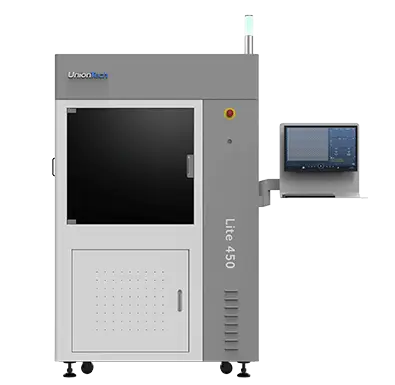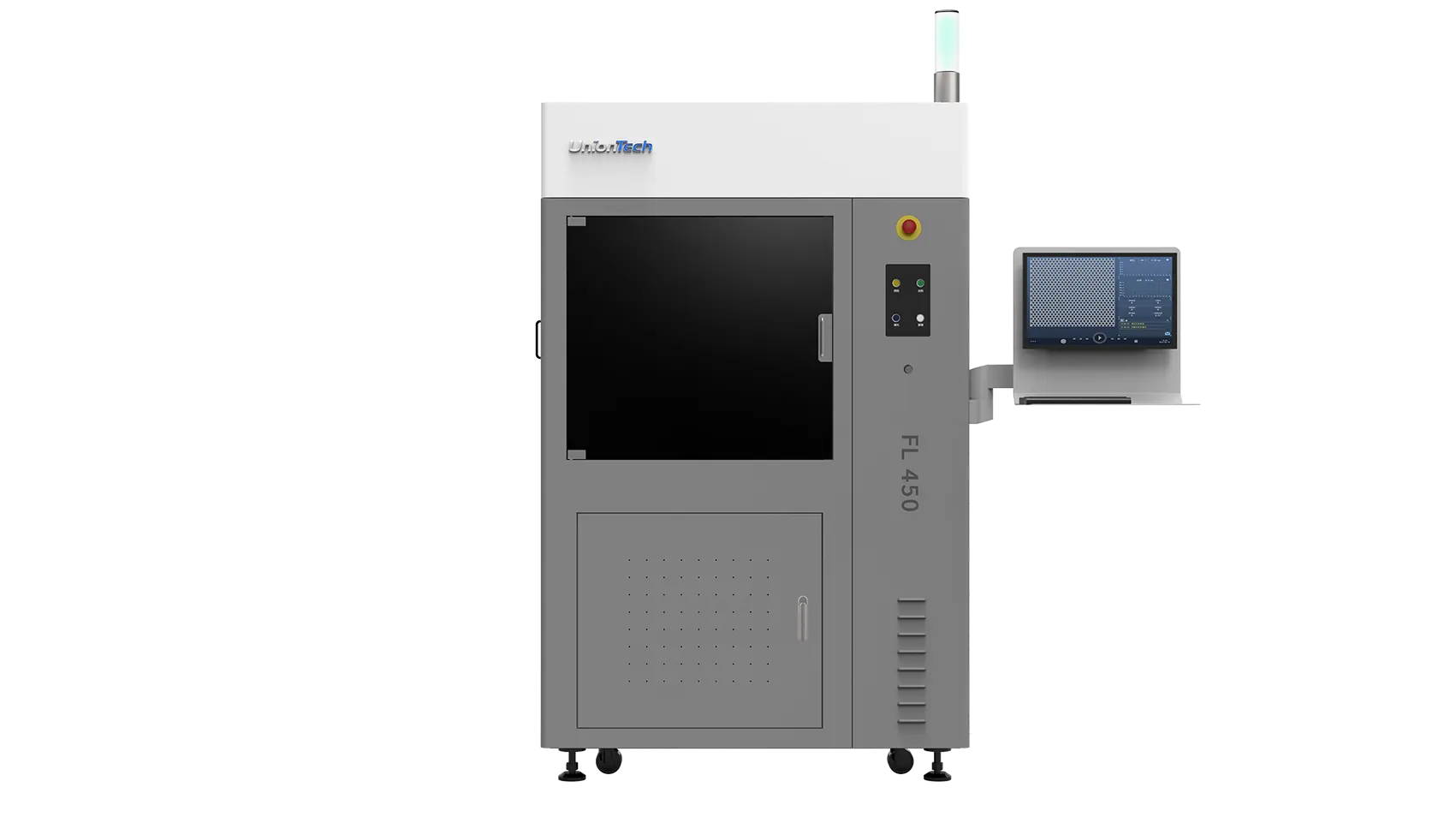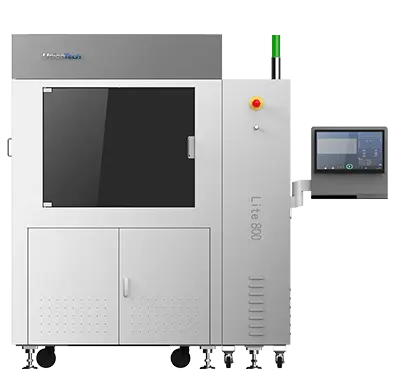
In the ever-evolving landscape of 3D printing, choosing the right technology can make a considerable impact on production efficiency and quality. The demand for enhanced precision and versatility in additive manufacturing has led to various resin technologies, each offering unique advantages. As a significant player in the field, UnionTech explores the distinct characteristics of SLA, DLP, and LCD technologies to determine which industrial 3D printer may be the most beneficial for industrial applications.
SLA, or Stereolithography, utilizes a laser to cure resin layer-by-layer, resulting in intricately detailed parts. At UnionTech, we offer advanced SLA 3D printers, such as the UnionTech RSPro800 X and RSPro2100, which are designed for industries requiring high-resolution prints. SLA’s strength lies in its ability to produce parts with excellent surface finish and fine features, making it ideal for prototypes and complex geometries. This technology is particularly useful in industries such as aerospace and automotive, where precision parts demand stringent quality standards.
Digital Light Processing (DLP) is another resin technology that leverages a digital light source to cure multiple layers simultaneously. This approach optimizes speed while maintaining a high level of detail. UnionTech’s DLP printers, like the UnionTech Cute 300, deliver substantial performance benefits, particularly in applications where high throughput and shorter production times are crucial. The capability to produce large quantities of uniformly high-quality parts makes DLP an attractive option for batches where time-to-market is critical, particularly in industries focused on rapid prototyping and product development.
LCD technology has gained popularity in recent years for its cost-effectiveness and ability to produce high-resolution prints. LCD printers utilize liquid crystal displays to mask UV light, curing an entire layer simultaneously. UnionTech provides robust LCD 3D printers, including the Martrix190, ideal for applications in footwear and creative sectors that require less strict tolerances but still demand high-quality results. The ability to produce durable and intricate designs economically makes LCD a suitable choice for diverse applications, including artistic projects and consumer products.
In the realm of industrial 3D printing, the choice between SLA, DLP, and LCD technologies depends on specific application requirements, including detail, speed, and cost. UnionTech remains committed to providing an array of SLA 3D printers, each tailored to different manufacturing needs. By understanding the unique advantages of each resin technology, industries can make informed decisions that align with their production goals. Our mission at UnionTech is to empower businesses with the tools and knowledge necessary to thrive in the competitive landscape of additive manufacturing, ensuring that our clients can achieve their production objectives efficiently and effectively.